

25/11/2026
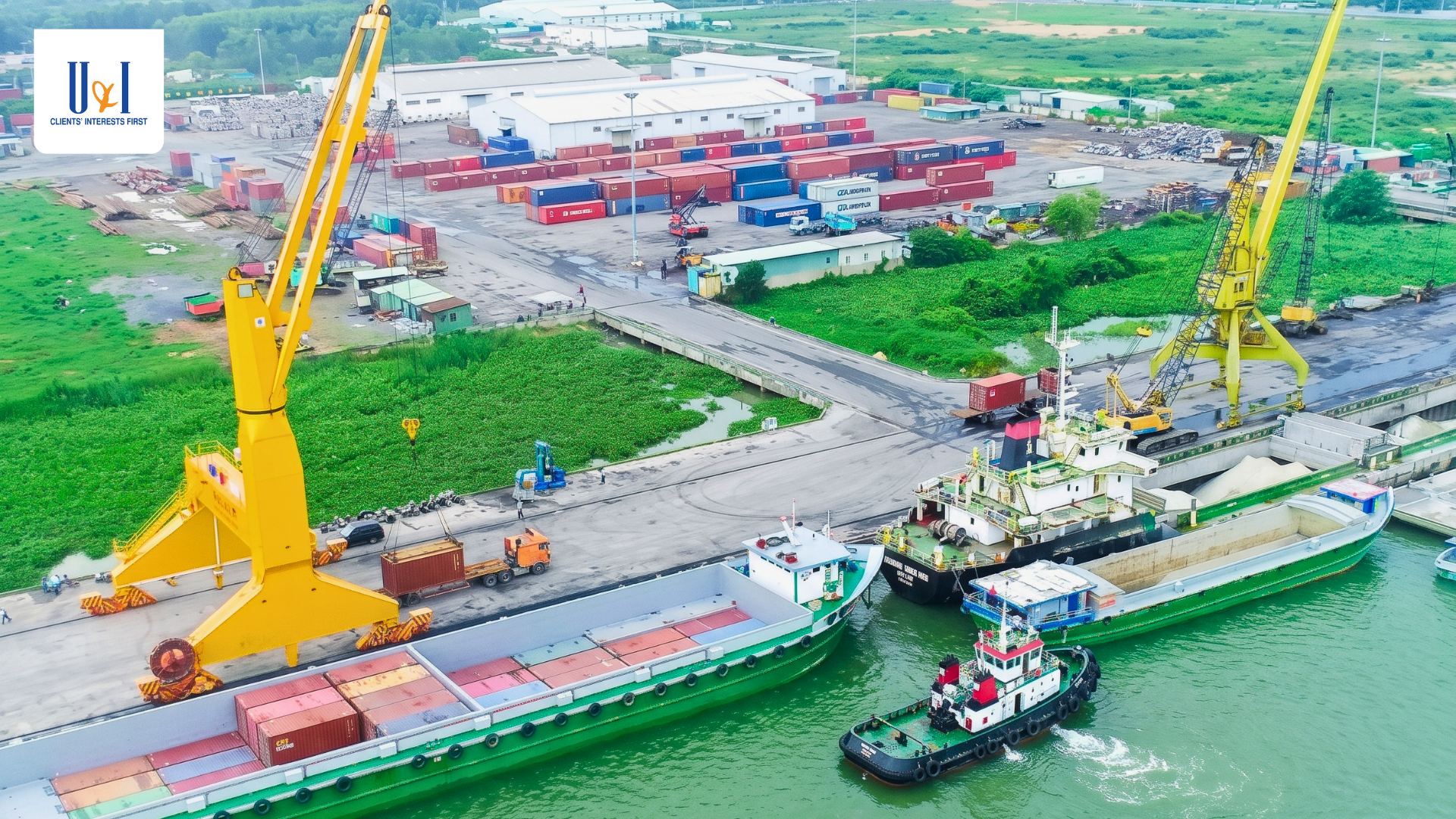
On November 17, 2026, the People's Committee of Can Tho City organized the Investment Promotion Conference between Can Tho and Chinese partners 2026 with the theme "Connection – Cooperation – Companionship," attracting more than 200 delegates from ministries, sectors, associations, and businesses of the two countries. The fields prioritized by the city for investment include deep processing of agricultural and aquatic products, logistics, cold storage, and cross-border trade. This event does not occur in isolation. Previously, in August 2026, the M/V Li Da Tong 2 Hao vessel from Qinzhou port docked at Cai Cui within Can Tho port on the pilot run of the international container route directly connecting the Mekong Delta with Guangxi, followed by the Nanning – Can Tho route.
Behind these voyages is a shift in policy. At the conference, a representative of the Ministry of Industry and Trade proposed five groups of strategic solutions for the 2026–2030 period, in which the first group is developing logistics tied to the value chain: strengthening linkages among raw material areas, exporting businesses, transport providers, and the port system to form a synchronized logistics chain, replacing the previous isolated connections. In other words, the orientation is shifting from adding individual transport routes to reorganizing the entire cargo flow. The question posed for import-export businesses is which leg in that flow truly determines cost.
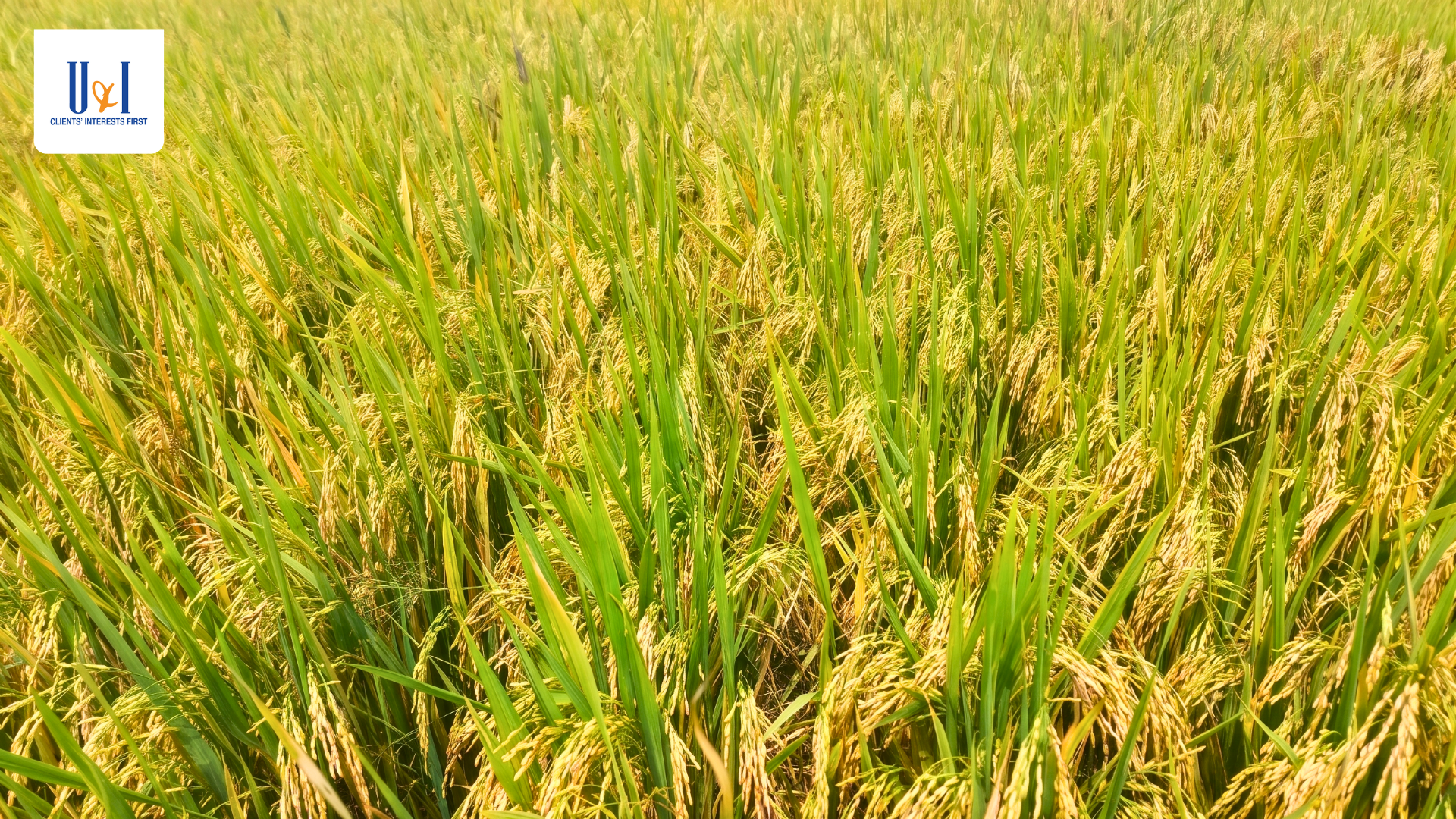
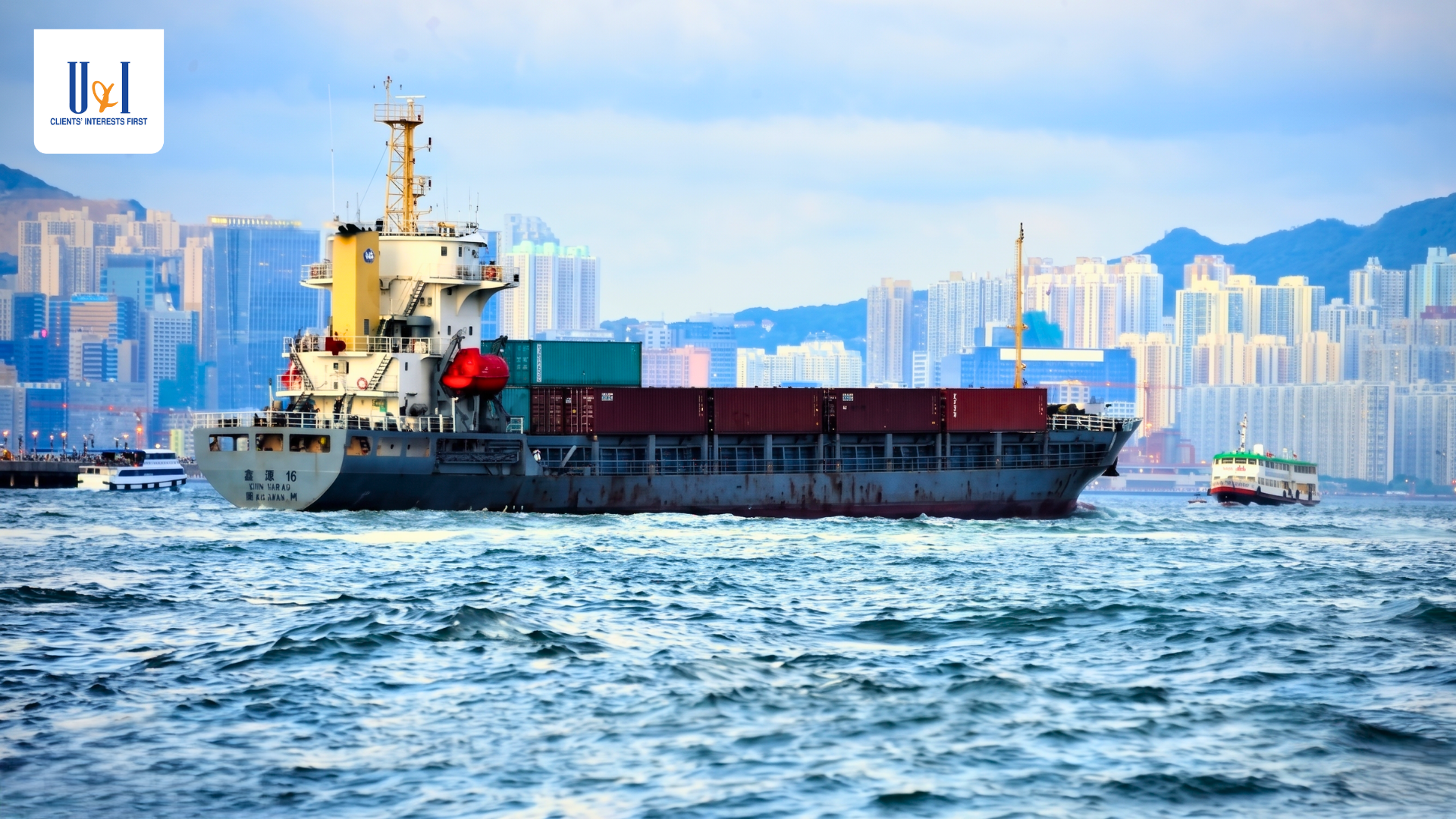
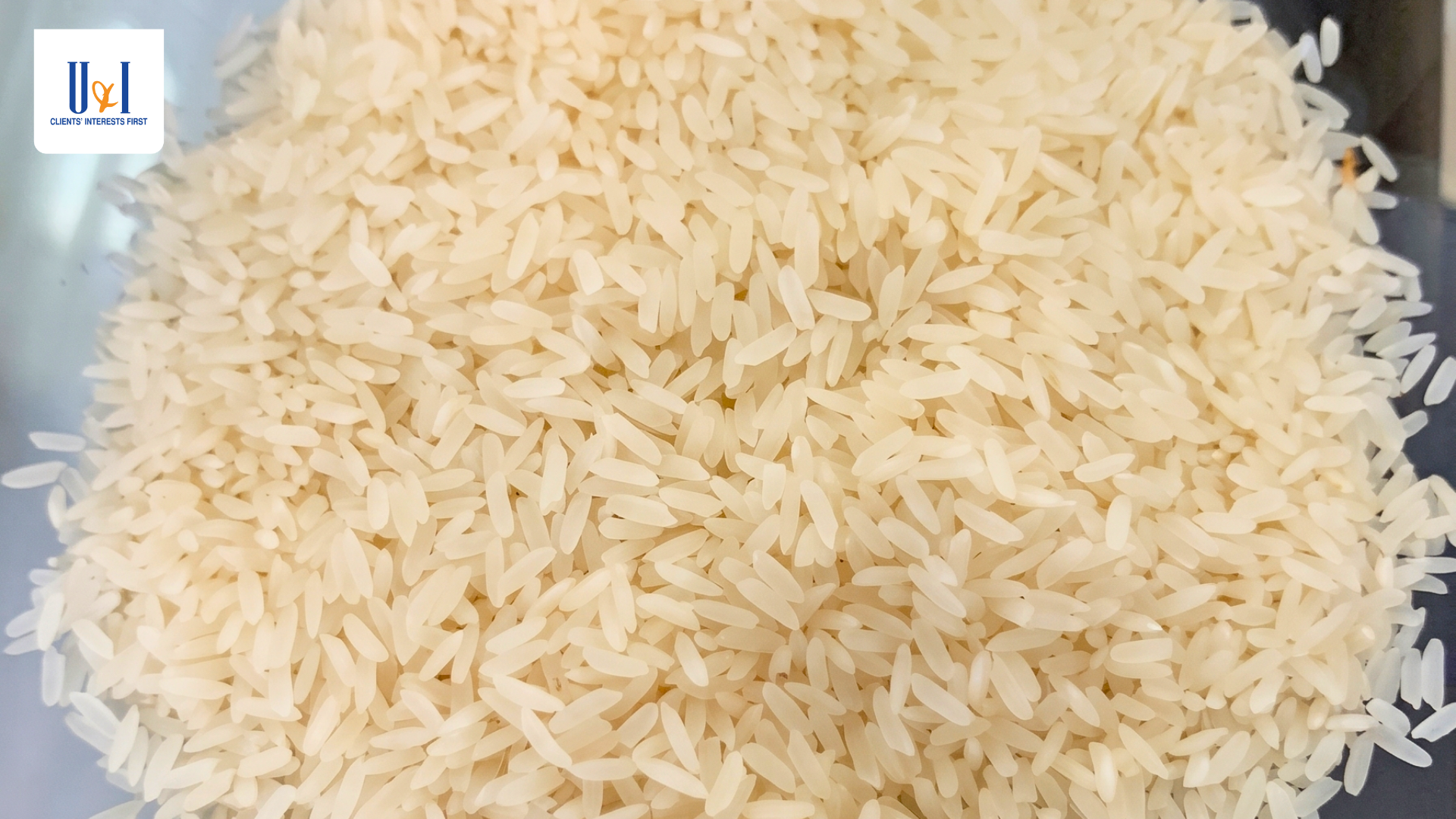
Export demand is clearly recovering in two key industries of the Mekong Delta. According to the Vietnam Food Association, the export price of 5% broken white rice has increased by about 9% in just a few weeks, from USD 440–450/ton in mid-October to USD 480–490/ton in early November, at the same time the Philippines granted licenses to import 300,000 tons of Vietnamese rice right in November. For the seafood industry, data from the Vietnam Association of Seafood Exporters and Producers shows that shrimp export turnover in 10 months reached USD 4.21 billion, up 8.8% compared with the same period, while the entire seafood industry reached USD 10.459 billion, up 12.1%.
The noteworthy point is that this recovery momentum is accompanied by very thin profit margins. Vietnamese rice is competing directly on price with supply from India and Thailand at the lowest price zone in years, while whiteleg shrimp has grown only about 4%, with the overall growth of the shrimp industry mainly coming from the lobster segment. In this context, every percentage point of logistics cost directly affects the price and competitiveness of businesses. This reality clearly reveals the transport bottleneck of the entire region. According to the Ministry of Industry and Trade, logistics costs in the Mekong Delta can account for up to 18-30% of product cost, significantly higher than the national average of about 16.5% of GDP and the world average of 10–11%. The paradox lies in the fact that the region owns a river network approximately 28,000 km long, but more than 70% of agricultural cargo output still has to be transported by road. The most costly leg is not the cross-border transport route to Guangxi or the international sea leg, but rather the intra-regional leg bringing goods from the southwestern provinces to the HCMC – Cai Mep port cluster.
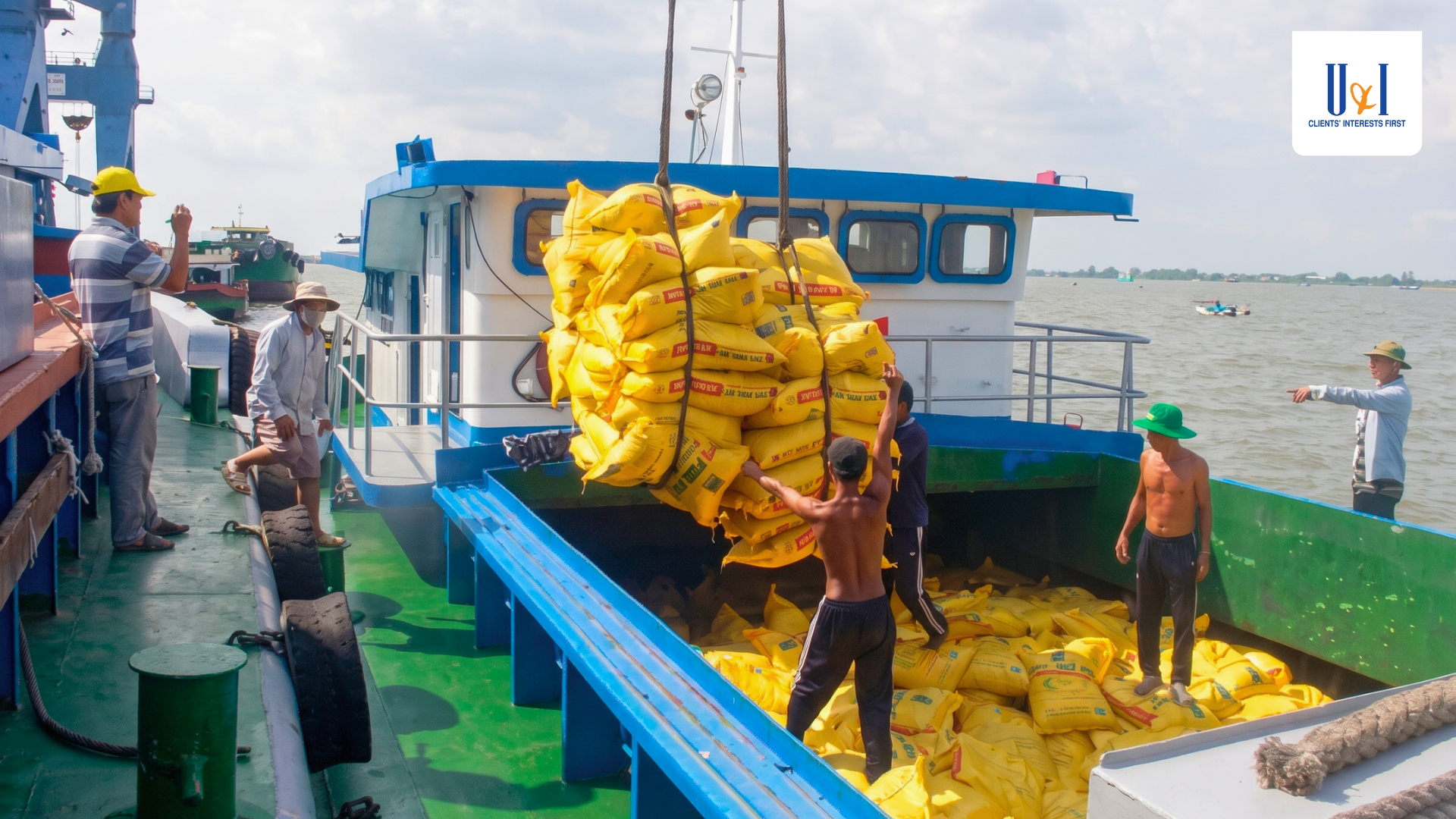
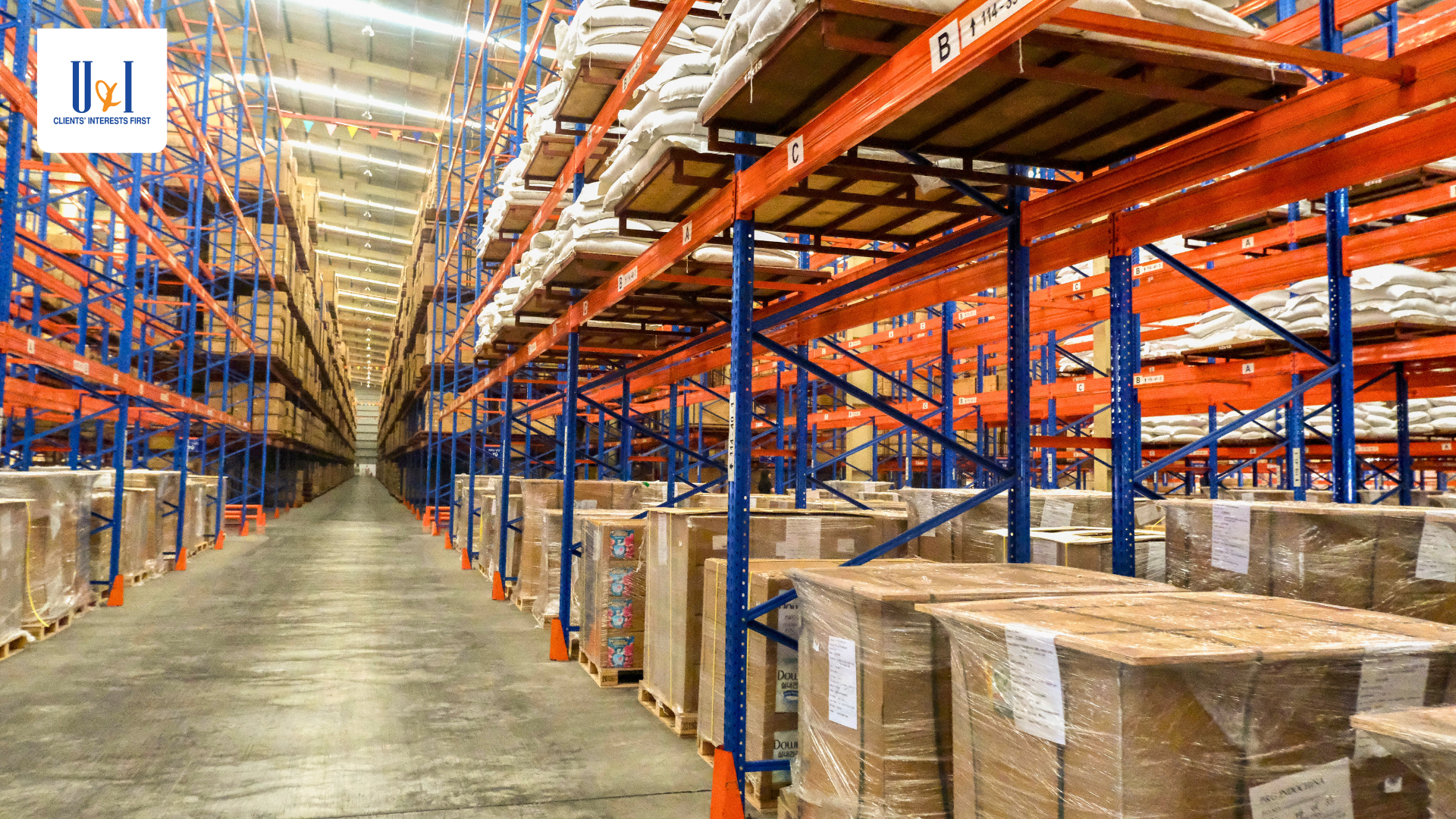
The way U&I Logistics organizes the domestic barge transport route connecting the Mekong Delta with the HCMC – Cai Mep port cluster, combined with the warehousing system and customs brokerage services, has established a multimodal transport configuration that contributes to resolving this bottleneck. Barges consolidate cargo along the river route and connect directly to the deep-water port, helping to reduce dependence on road transport; the warehouse system plays the role of regulating delivery; and the customs brokerage service helps shorten clearance time. When these three links are synchronously connected into a single operating chain, the cost equation for businesses shifts from a state of accumulated expenses to a model of centralized control.
Reorganize, Rather Than Expand
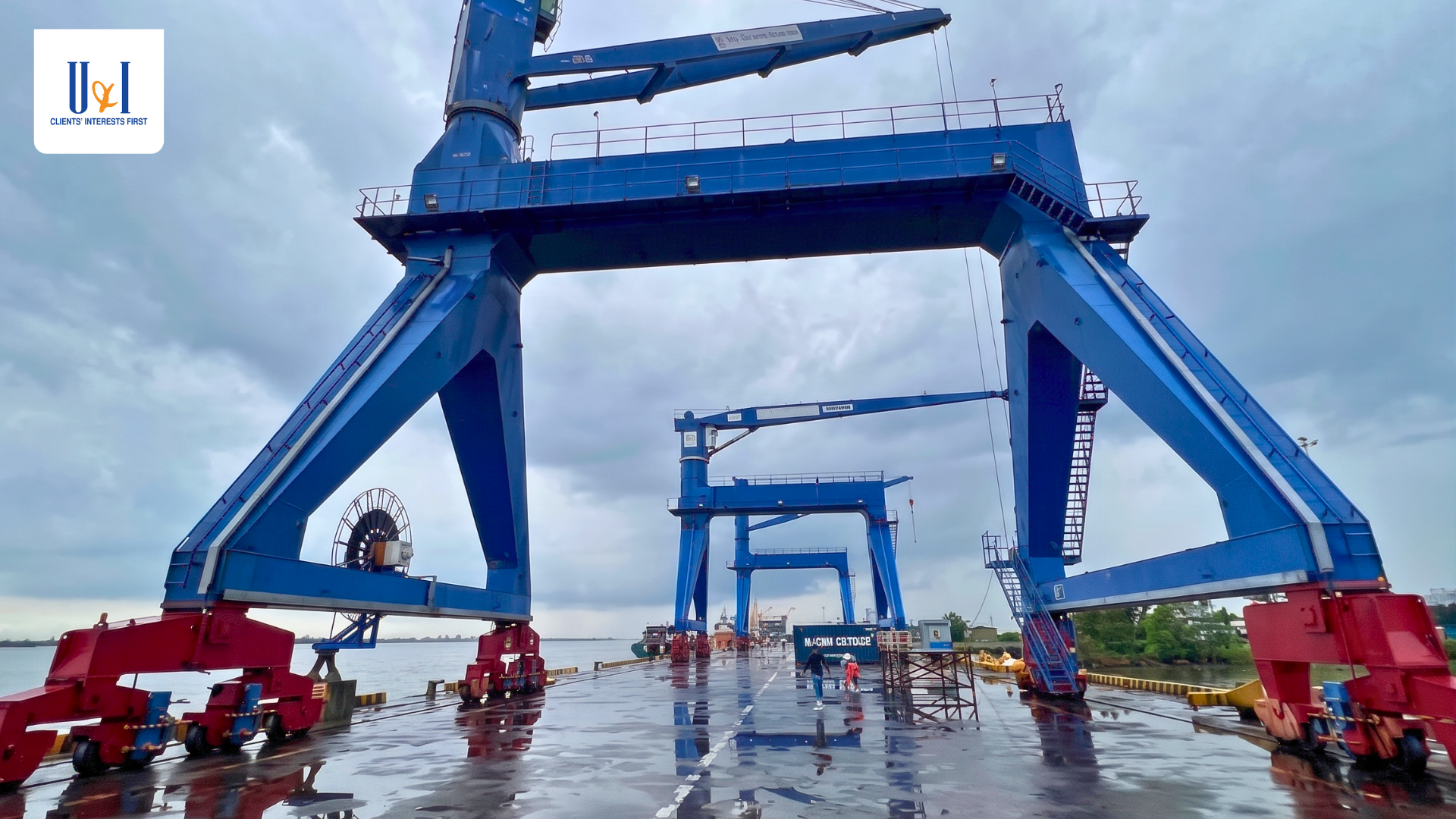
Looking ahead, the operating orientation for Mekong agro-seafood export businesses needs to begin with a shift in focus. The top priority is optimizing the intra-regional leg, because this is where the majority of the 30% logistics cost share arises through multiple transfers, rather than focusing only on the final leg to the international market, which is being gradually improved thanks to new container shipping routes. The second priority is integrating the warehousing system and customs procedures directly into the transport route, helping logistics activities operate as a seamless chain rather than as fragmented services. The third priority is selecting the transport method suited to the characteristics of each commodity group: frozen seafood requires a standard cold-chain warehouse system together with a stable transport schedule to preserve quality, while large-volume rice exports maximize cost effectiveness when transported by barge on inland waterway routes.
Investment capital flowing in alongside newly opened trade routes brings many positive prospects, but these opportunities only truly transform into export advantages when the intra-regional transport leg is restructured along a multimodal direction. Growth opportunities lie in recovering market purchasing power, yet the competitiveness of Mekong agro-seafood products is being determined at the domestic barge leg, where the 30% cost equation still demands a synchronized and systematic organizational solution.
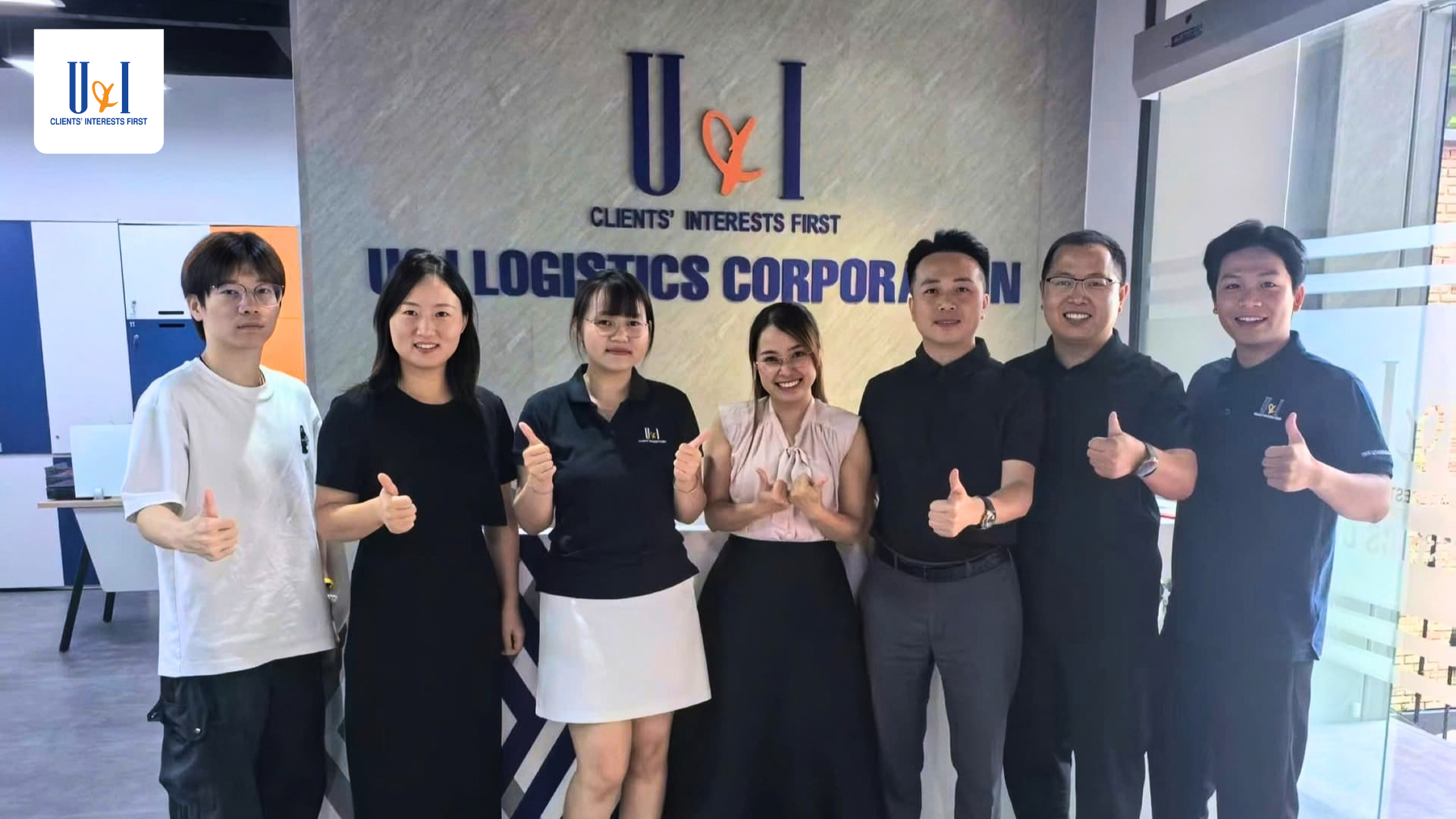
For import-export businesses in the Mekong Delta seeking to optimize transport routes from raw material areas to the HCMC – Cai Mep port cluster, a direct discussion with the U&I Logistics team will help comprehensively assess the cost structure and establish a suitable multimodal connection plan.


25/11/2026
The focus needs to shift from listed freight indices to the actual capability of preserving vessel slots and container units
25/11/2026
A 2026 McKinsey report shows that AI has automated 60% of status updates, 73% of order confirmations, and 80% of invoice processing in logistics—yet three core capabilities that AI cannot replace are physical infrastructure, on-site contingency management, and the legal liability of licensed customs brokers.
25/11/2026
When the Drewry WCI reversed course with a 3% rise in early May 2026 and shipping lines simultaneously imposed PSS and GRI, the "sale hunting" tactic through spot rates is revealing structural risks — and the real equation lies in the capability to manage the forwarder vendor portfolio


