

13/08/2026
Management consulting firm McKinsey notes that numerous standardized logistics processes are being automated at scale by AI. One logistics enterprise has successfully automated 60% of cargo status update calls, 73% of order confirmation workflows, 80% of paper invoice processing, and millions of freight quotations. Early adopters have also recorded significant reductions in document processing time and manual data entry.
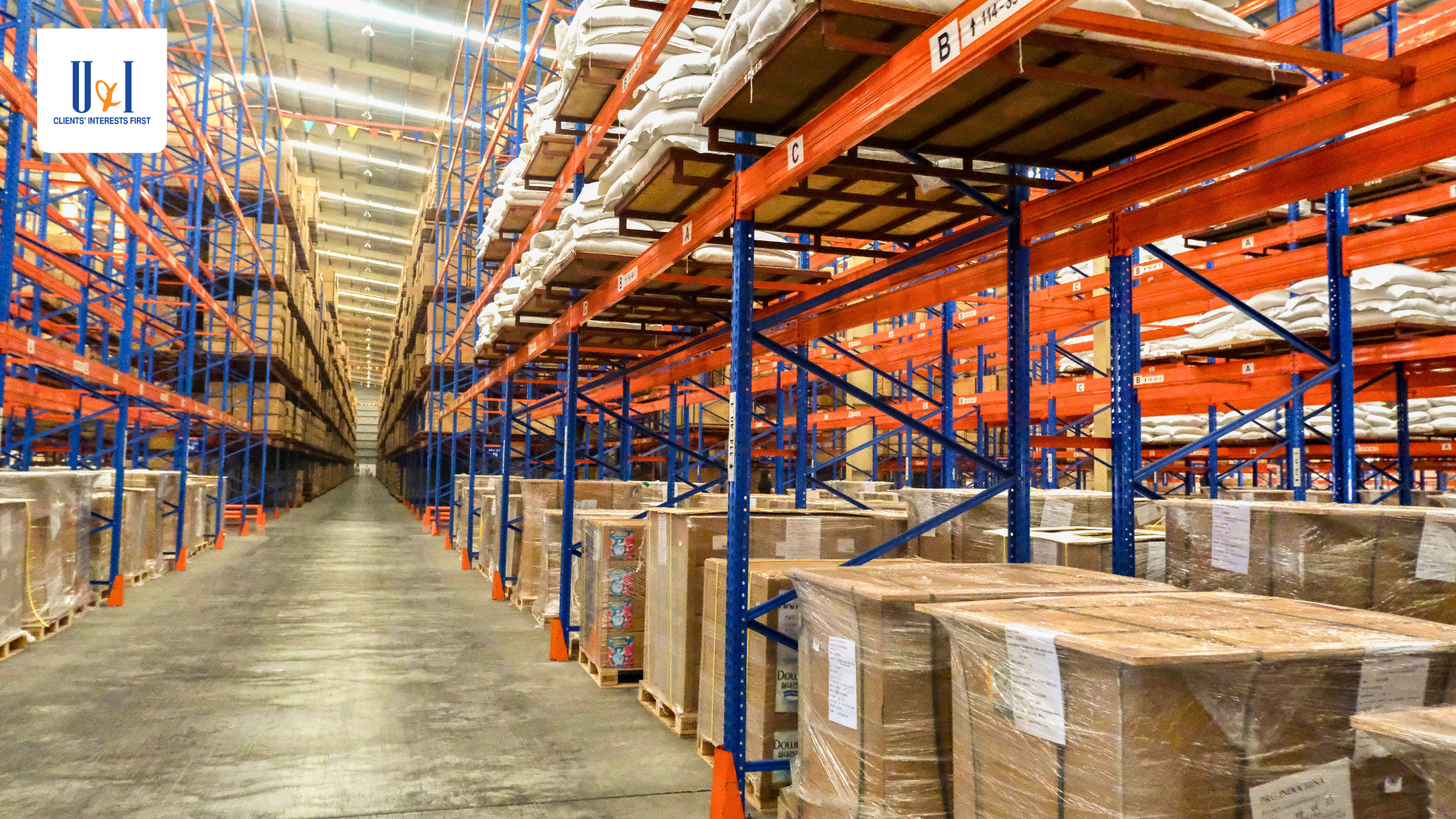
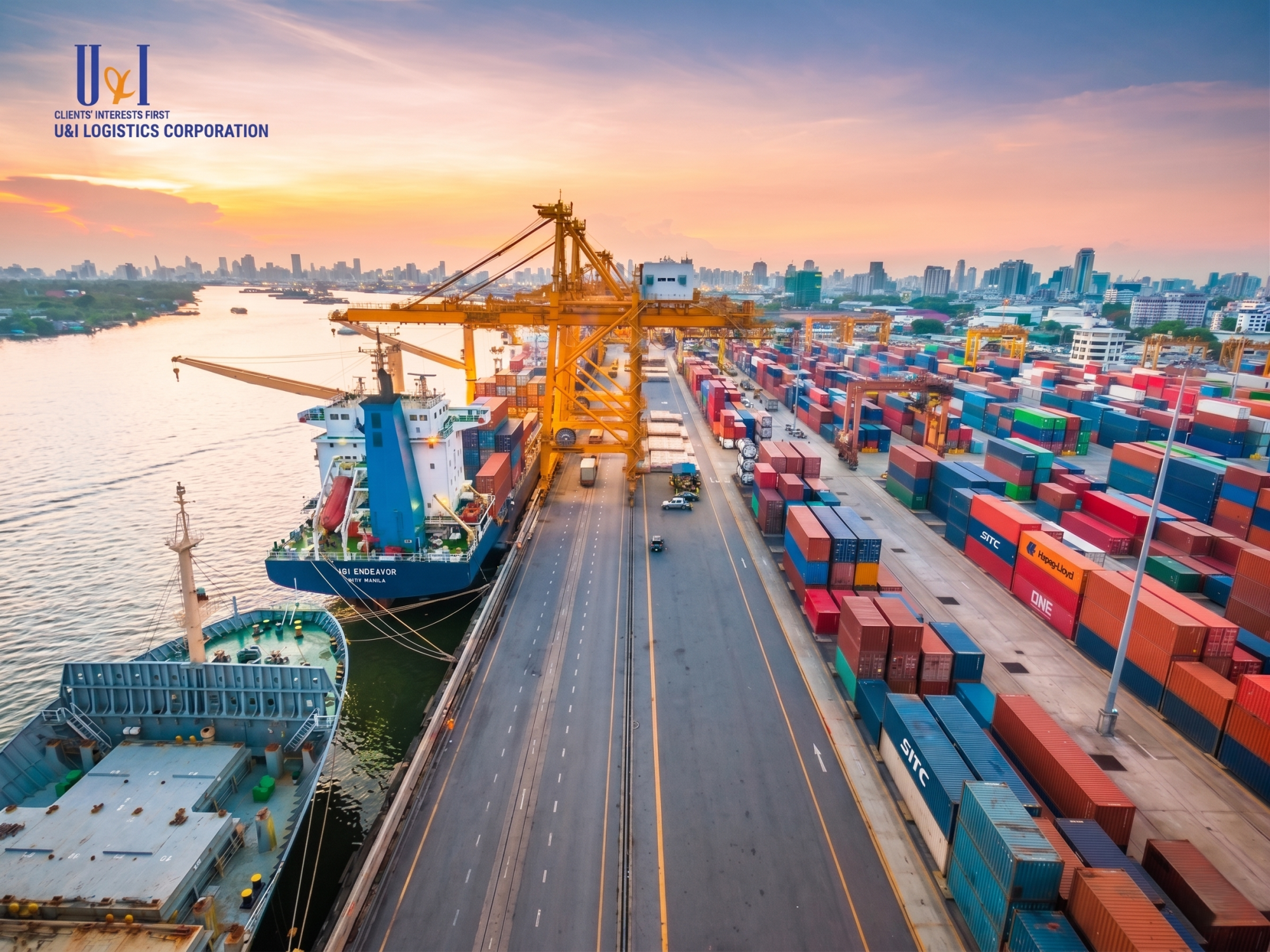
On one hand, AI is increasingly automating back-office logistics tasks—from auto-extracting bills of lading, invoices, and customs declarations to generating instant freight quotes and providing real-time shipment tracking updates. On the other hand, digital logistics platforms actively promote direct shipper access to ocean carrier systems, bypassing intermediaries with the promise of 15% to 30% crier cost savings. Compounding this trend, global ocean carriers are aggressively acquiring end-to-end supply chain assets—exemplified by CMA CGM’s $1.4 billion acquisition of FedEx Supply Chain, set for completion in 2026. Adding these factors together, the industry outlook appears stark: intermediaries are gradually being pushed out of the operational ecosystem.
However, what AI is actually replacing is the back-office administrative workforce performing standardized, repetitive tasks—a segment long trapped in a race-to-the-bottom cost competition. What AI and digital platforms cannot fully replace are three fundamentally distinct core capabilities:
Real-world physical infrastructure assets.
On-site contingency handling capabilities at border gates and seaports.
Clear legal liability as an official licensed customs broker.
In other words, AI acts as a filtering mechanism that clearly separates two groups of enterprises that previously appeared similar: pure paper forwarders versus asset-backed forwarders that possess real physical infrastructure and clear legal accountability.
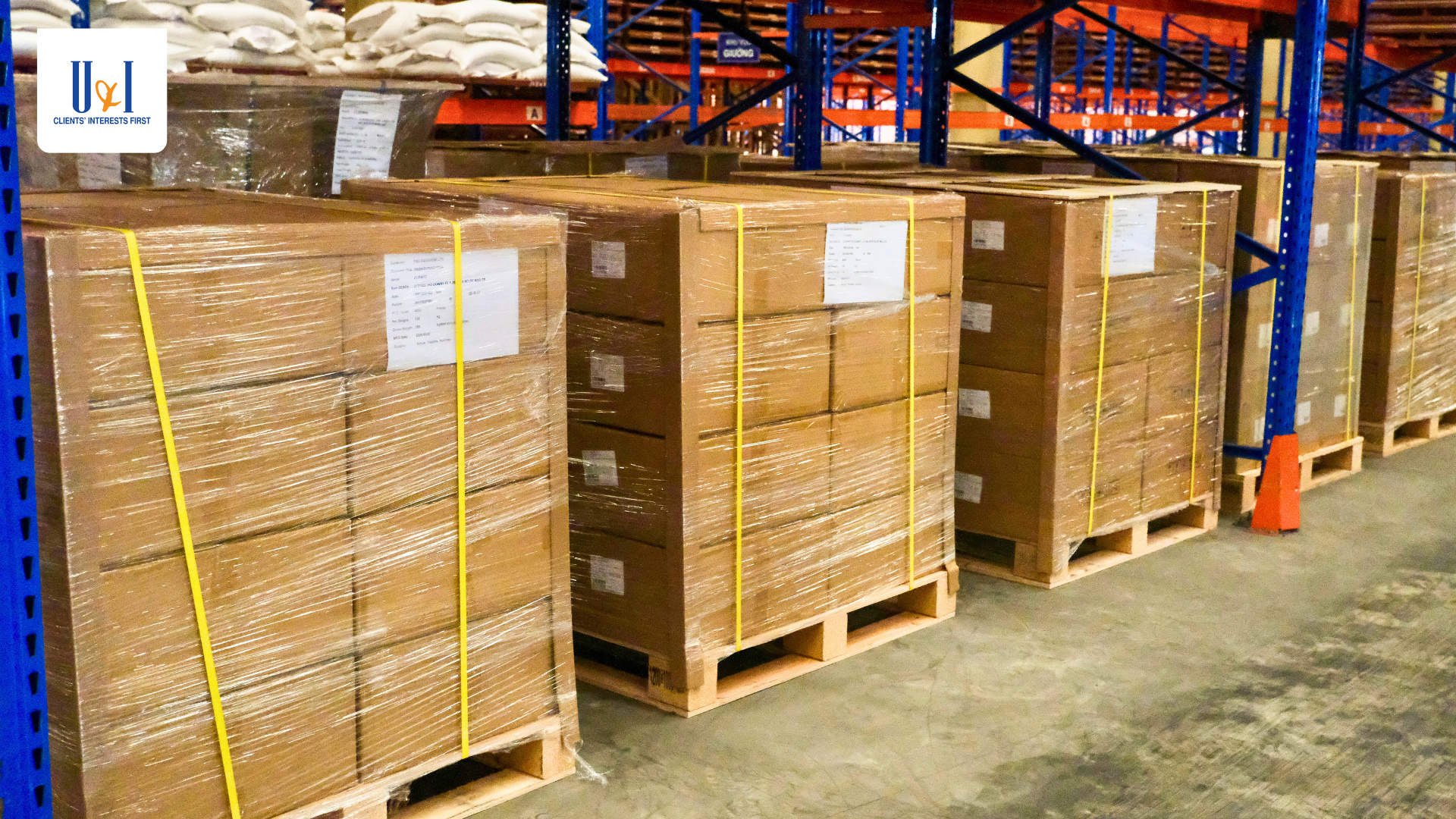
To understand why AI cannot fully replace the freight forwarding role, one must accurately evaluate the strengths and boundaries of technology. AI performs best on processes that are standardized, digitized, and rule-based. A bill of lading at the Port of Singapore shares essentially the same data structure as one at the Port of Rotterdam, allowing algorithms to learn and process them automatically. However, the core essence of logistics lies in three elements beyond algorithmic capabilities:
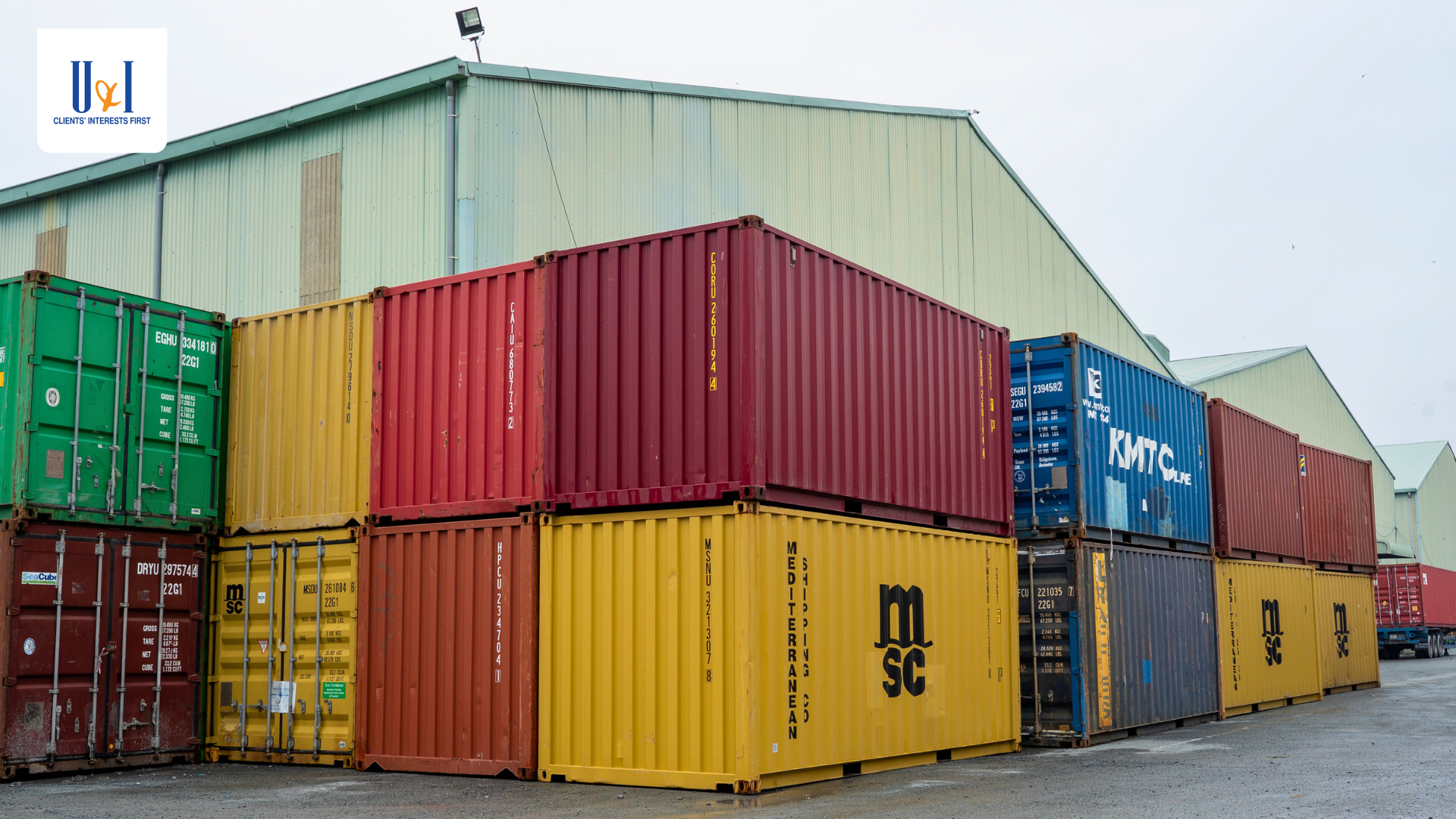
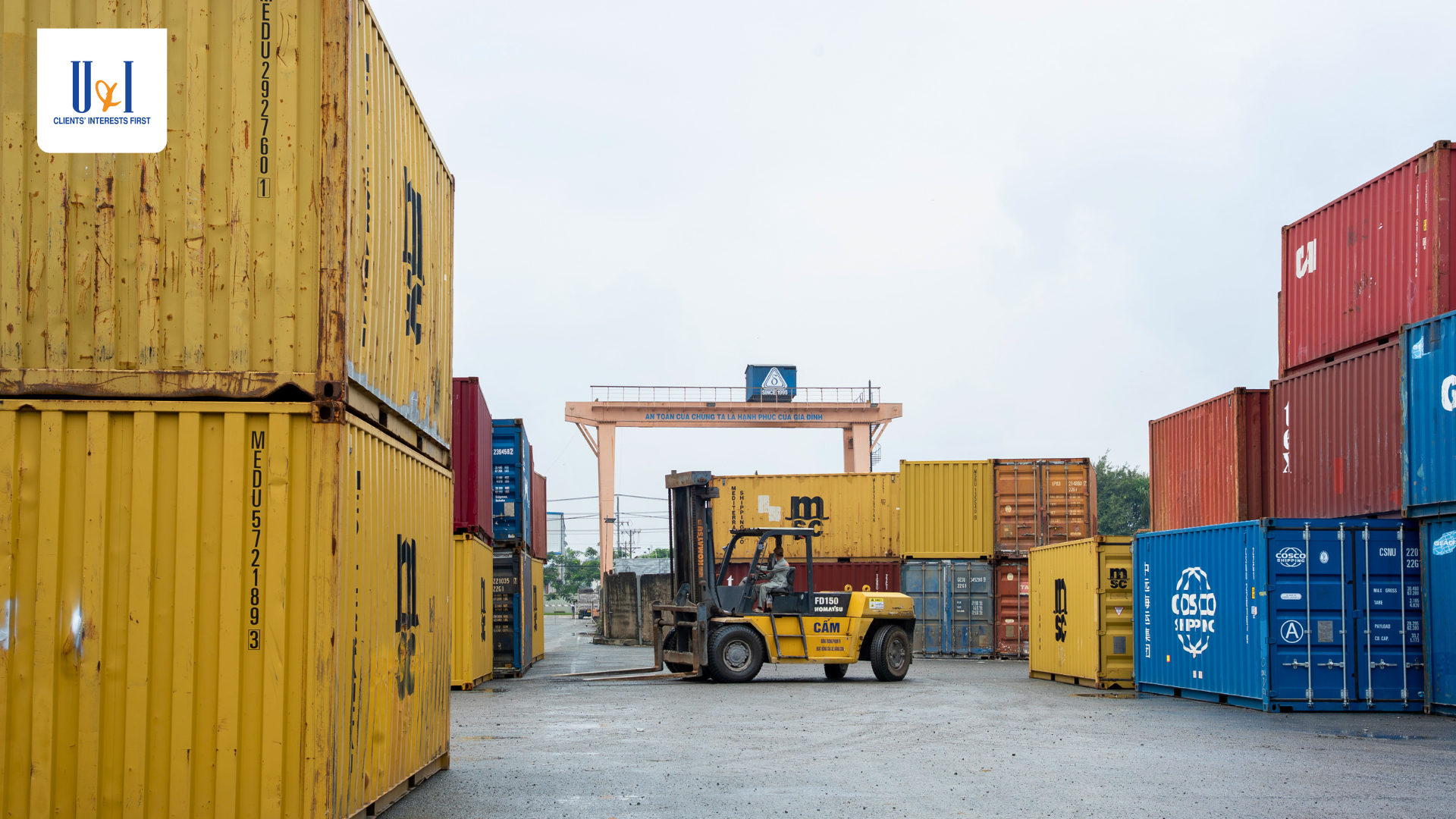
First, physical infrastructure: No algorithm can physically store a container, operate a tractor-trailer, or unpack cargo at a warehouse. When cargo requires real physical storage between transit legs, only tangible infrastructure assets can fulfill this requirement.
Second, on-site contingency management: Operational software workflows run smoothly right up until real-world disruptions strike: a reefer container suffers a technical failure at midnight, a shipment is detained by customs authorities for physical inspection, or a truck misses the port cut-off time. These critical moments require dedicated personnel physically present on-site to resolve issues, rather than automated exception notifications generated by a system.
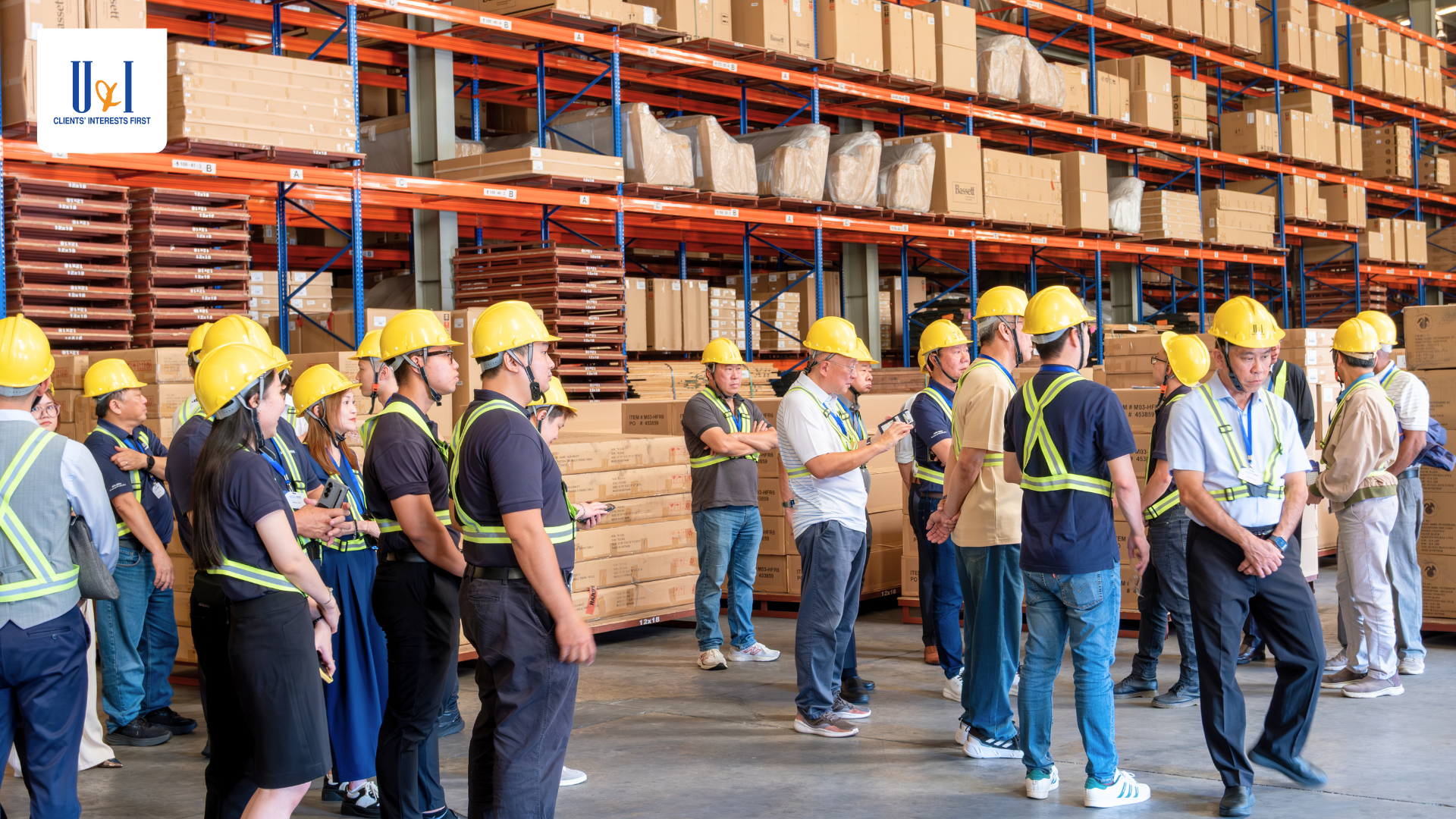
Third, and most decisive, legal liability: Customs clearance is an official legal act, and the legal entity named as the customs broker bears full legal liability for every line of declared data and tax calculation. The regulatory environment in 2026 further heightens this burden as state authorities shift from formal procedural reviews to auditing the economic substance of transactions, tightening post-clearance audits, and imposing steeper non-compliance penalties. When AI suggests an incorrect HS code, technology cannot stand before customs authorities to explain or bear legal responsibility; only the declared legal entity carries that obligation.
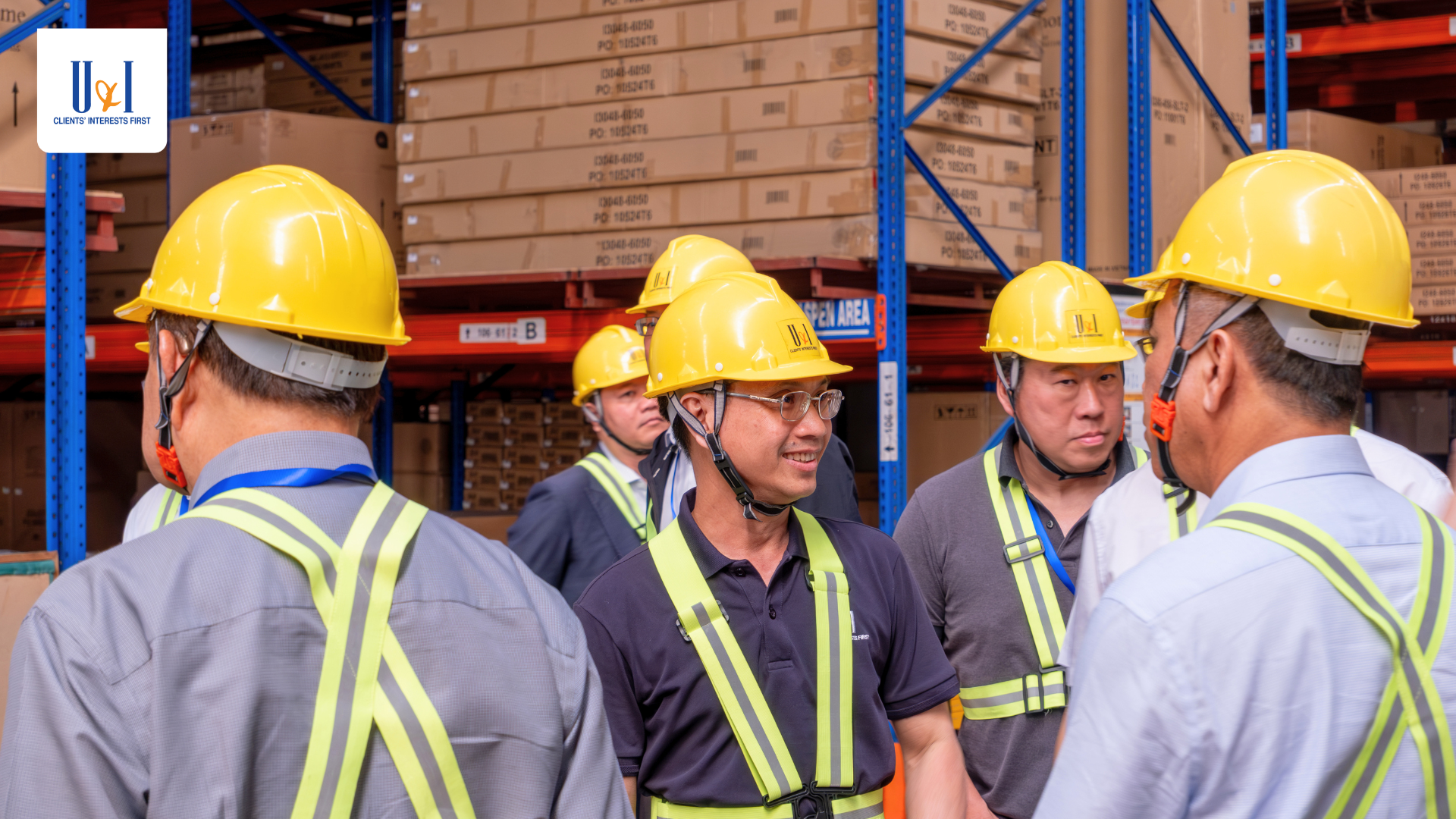
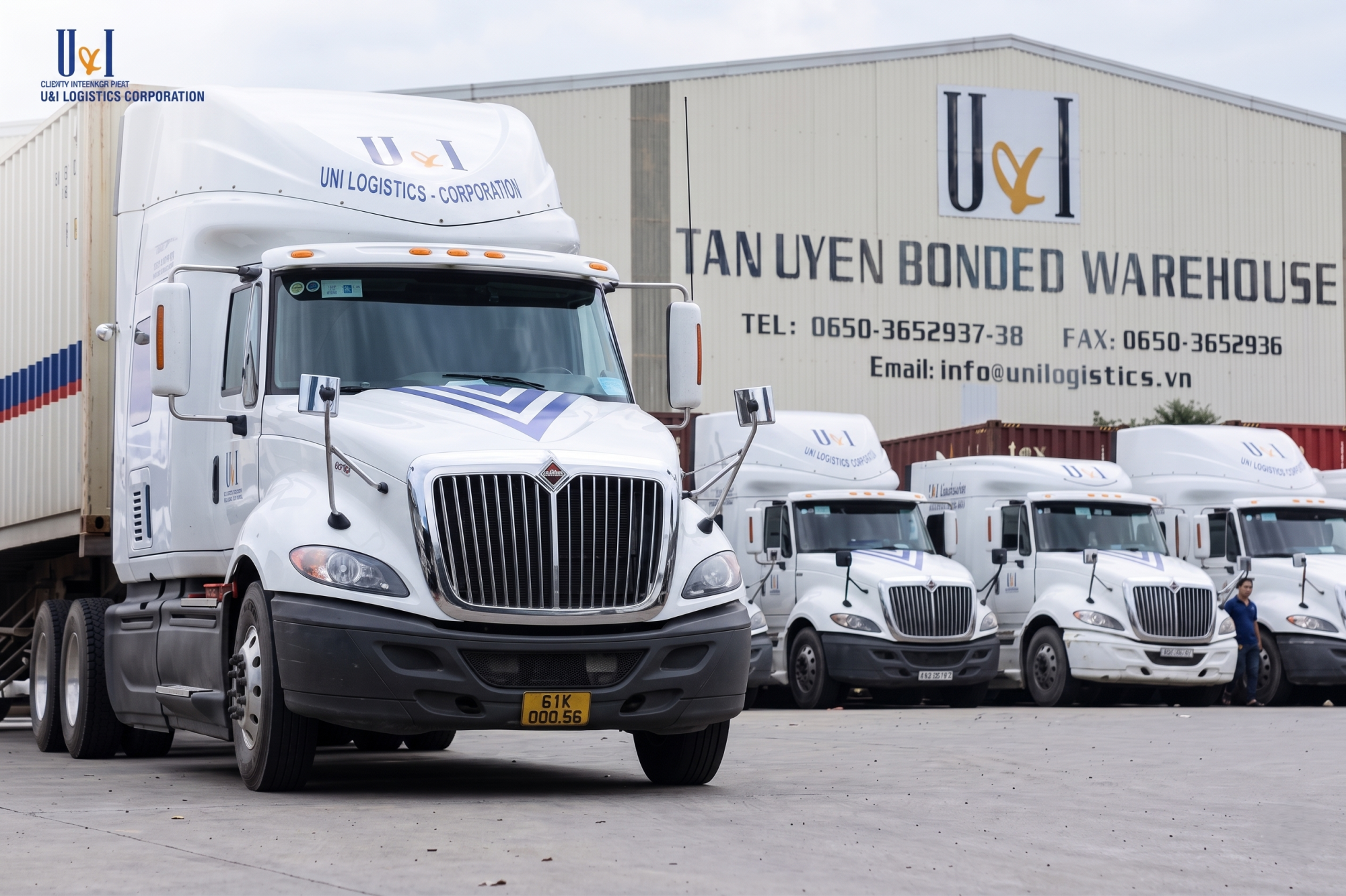
This represents a distinct market divider. An enterprise like U&I Logistics, possessing a large-scale warehousing infrastructure combined with official Licensed Customs Brokerage services, holds the exact value drivers that AI and online freight platforms cannot replace: physical storage capacity, on-site personnel for emergency troubleshooting, and the legal standing committed to accountability before regulatory authorities. Although major ocean carriers are expanding into end-to-end logistics, they cannot fully substitute the role of local logistics providers who possess deep on-the-ground expertise, customs legal knowledge, warehousing, trucking, and country-specific documentation nuances. That service gap will remain, affirming the sustainable value of professional logistics service providers.
For every logistics business, the existential question in the technology era is not "Will AI replace me?", but rather "What core value capability are my customers truly paying for?" If the answer stops at simple document typing and rate quoting, AI software will undoubtedly execute those tasks faster and at a fraction of the cost. However, if the answer lies in physical warehouse networks, on-site operational personnel, and signed legal accountability, then AI becomes a capability multiplier rather than a substitute.
For shippers, the perspective must also be flipped realistically: an instant rate quote from a digital platform offers upfront convenience—until a shipment gets stranded at the port at 2 AM with no support staff, or an error on a customs declaration triggers administrative fines and back-taxes with no entity stepping up to take responsibility.


13/08/2026
When the Drewry WCI reversed course with a 3% rise in early May 2026 and shipping lines simultaneously imposed PSS and GRI, the "sale hunting" tactic through spot rates is revealing structural risks — and the real equation lies in the capability to manage the forwarder vendor portfolio
13/08/2026
Fuel surcharges (BAF, Fuel Surcharge) are not merely an external cost line but a signal of the leanness of transportation network design — and an indicator for businesses to reconsider their outsourced logistics strategy
13/08/2026
U&I Logistics - Cùng tìm hiểu cách tính giá cước vận chuyển hàng không quốc tế chi tiết nhất. U&I Logistics giúp doanh nghiệp tối ưu chi phí và nắm rõ ưu nhược điểm vận tải hàng không.


