

06/10/2026
In the final week of September, spot freight rates on the Shanghai – New York route reached USD 10,373 per 40-foot container (FEU) on Drewry's World Container Index (WCI), establishing a high-price zone of the increase sustained from late August. However, the index worth paying attention to for Q4 does not stop at the listed freight rate alone. The warning signal lies in the plan of fifteen blank sailings announced for the following week, significantly higher than the nine cancellations of the current week, showing that available transport capacity continues to come under pressure.
The Picture at the End of 2026
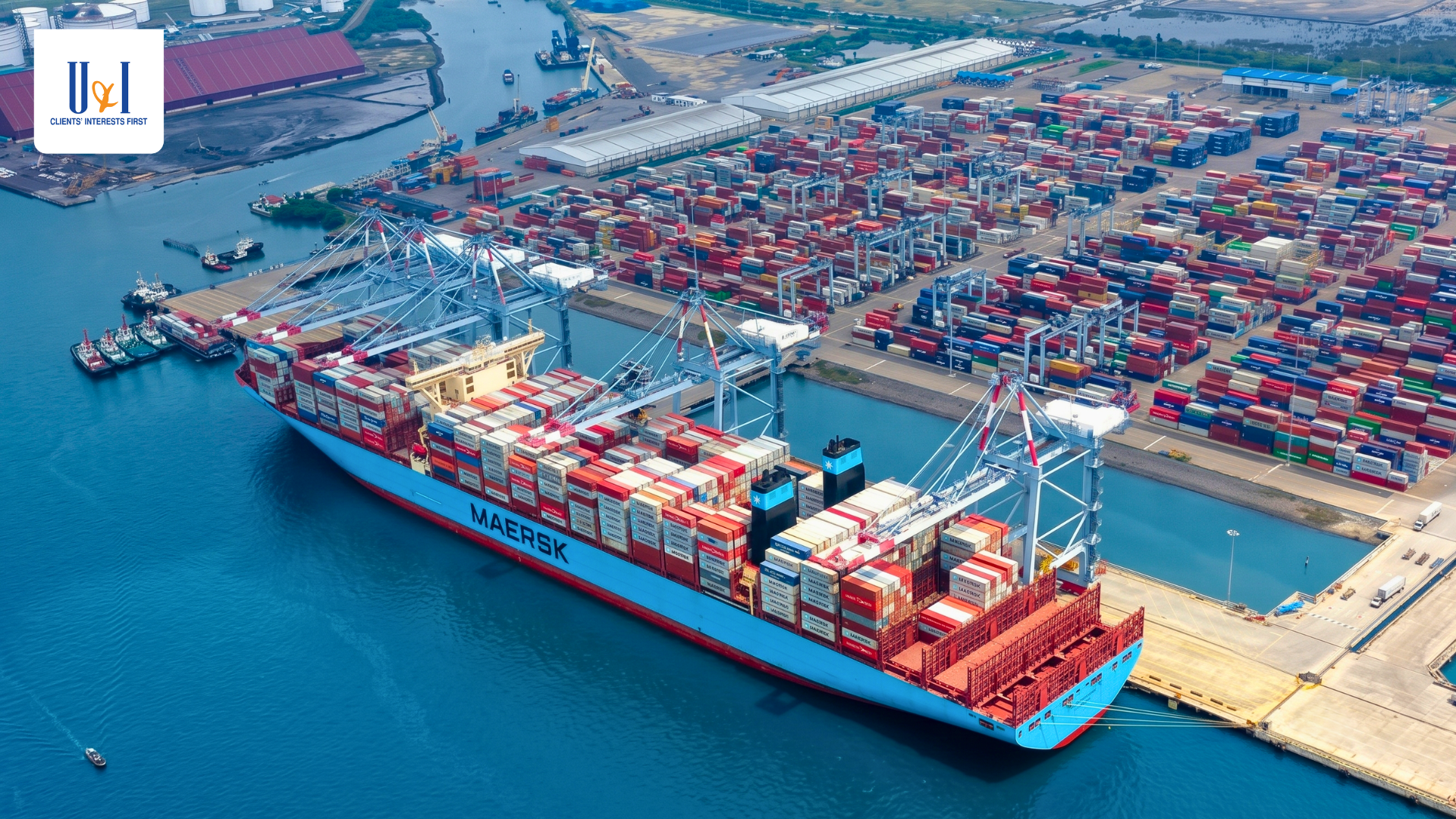
Considered in statistical terms, the global fleet supply is relatively abundant: nearly 7 million TEU of newbuild capacity is expected to be delivered in the 2024–2026 cycle. However, in actual operation, available transport capacity still falls into a tight state. The Shanghai Containerized Freight Index (SCFI) continues to fluctuate around the 3,686-point threshold; freight rates on the Shanghai – US East Coast route alone remain at a high level of USD 10,497/FEU, despite falling about 0.8% compared with the previous week.
This divergence reflects a proactive regulation mechanism: major shipping line alliances apply a strategy of selective blank sailings to narrow actual supply, establishing a price floor as peak season tends to cool. Fleet scale expansion on paper does not automatically translate into competitive freight rates, because the entities holding transport capacity proactively regulate the supply valve for each specific service leg. For shippers, the market freight index reflects only part of the picture; the remaining part — which is decisive — is the ability to access actual vessel slots and the source of empty containers.
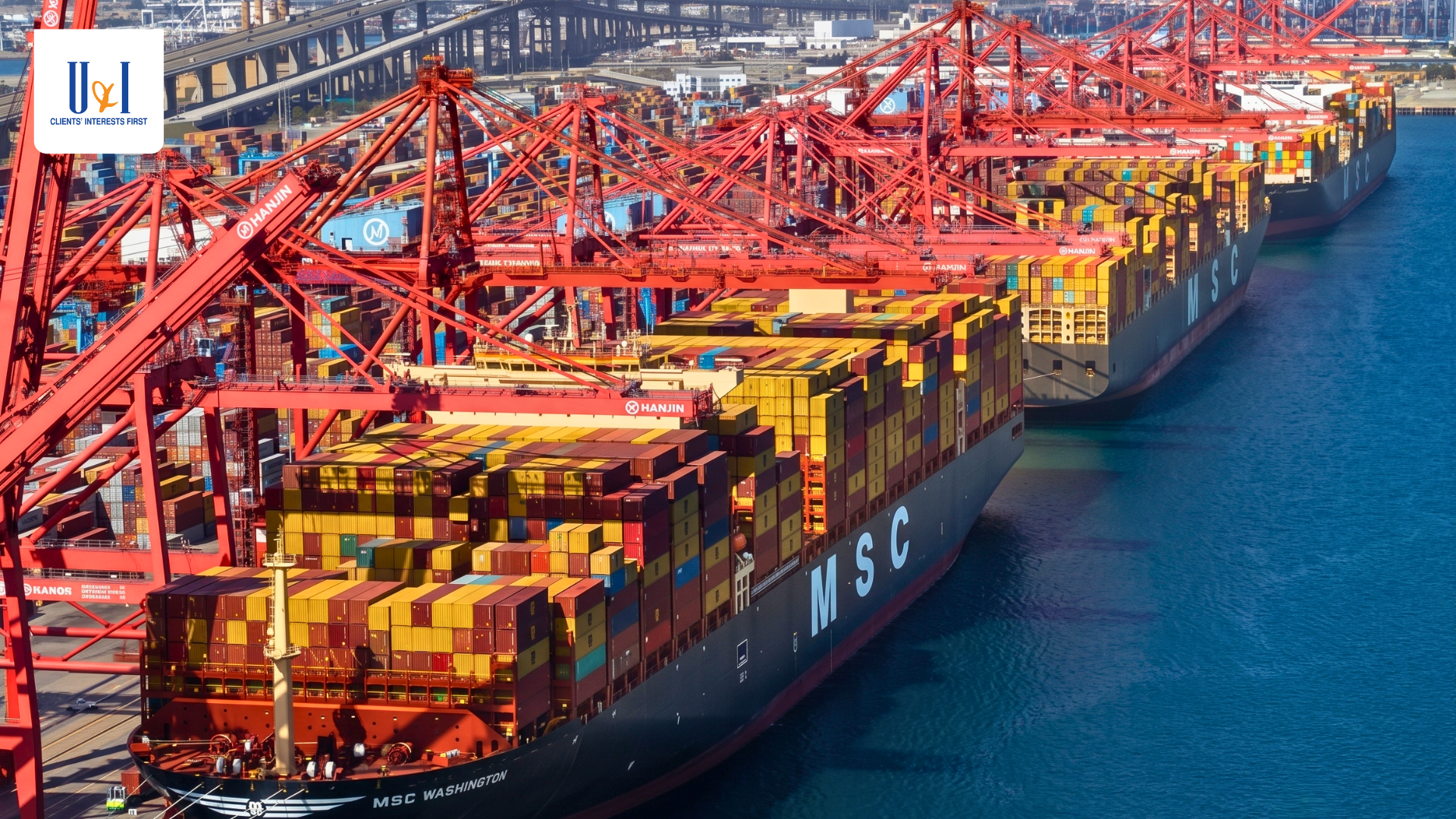
The majority of businesses hold the role of a price-taker in this mechanism. On East – West trunk sea routes, most orders are concluded under designated delivery conditions or depend on short-term spot rate schedules. Extended holiday cycles only increase the complexity: the Golden Week holiday in early October, followed by the Lunar New Year holiday beginning as early as the start of February the following year. Each transition period can lead to localized shortages of empty containers and successive blank sailings both before and after the holiday. Although Trans-Pacific spot freight rates show a slight adjustment rhythm after the final vessels serving Golden Week leave port, this effect is short-term and carries many variables.
Prioritize Certainty and Stability
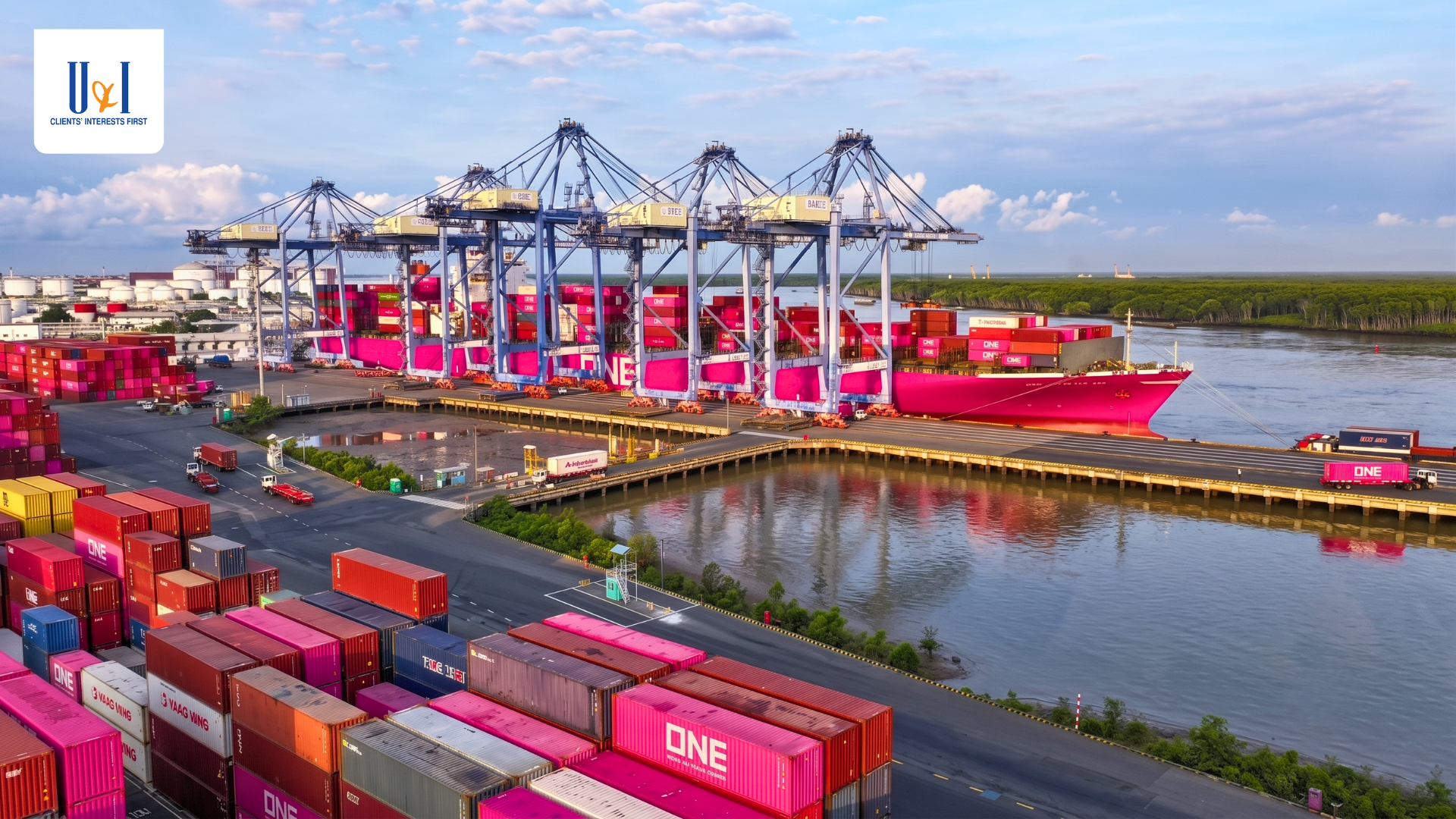
The common solution of many businesses is to choose one extreme: either lock cargo volume into long-term contract rates with the expectation of controlling costs, or choose spot rates to pursue lower prices at specific moments. Both approaches carry hidden risks, because the correlation between contract rates and spot rates does not move in a fixed direction, but continuously reverses with each market cycle.
In early 2026, when the maritime shipping market entered a downward adjustment rhythm, there was a point when long-term contract rates on the Far East – Northern Europe route were set at USD 2,010 per 40-foot container (FEU), 10% lower than Q4 2025 and even below the spot price level at that time; choosing fixed contracts during this period caused businesses to pay above the general market level. However, when entering the export peak season and the periods of widespread blank sailings, the opposite scenario immediately appeared: spot prices rose rapidly, available slots on mother vessels narrowed, and at this point long-term contracts accompanied by Minimum Quantity Commitments (MQC) demonstrated their role. Analytical reports from international maritime research organizations note that contract rates with volume commitments typically maintain cost levels 15% to 25% lower than spot rates during cycles of tight capacity.
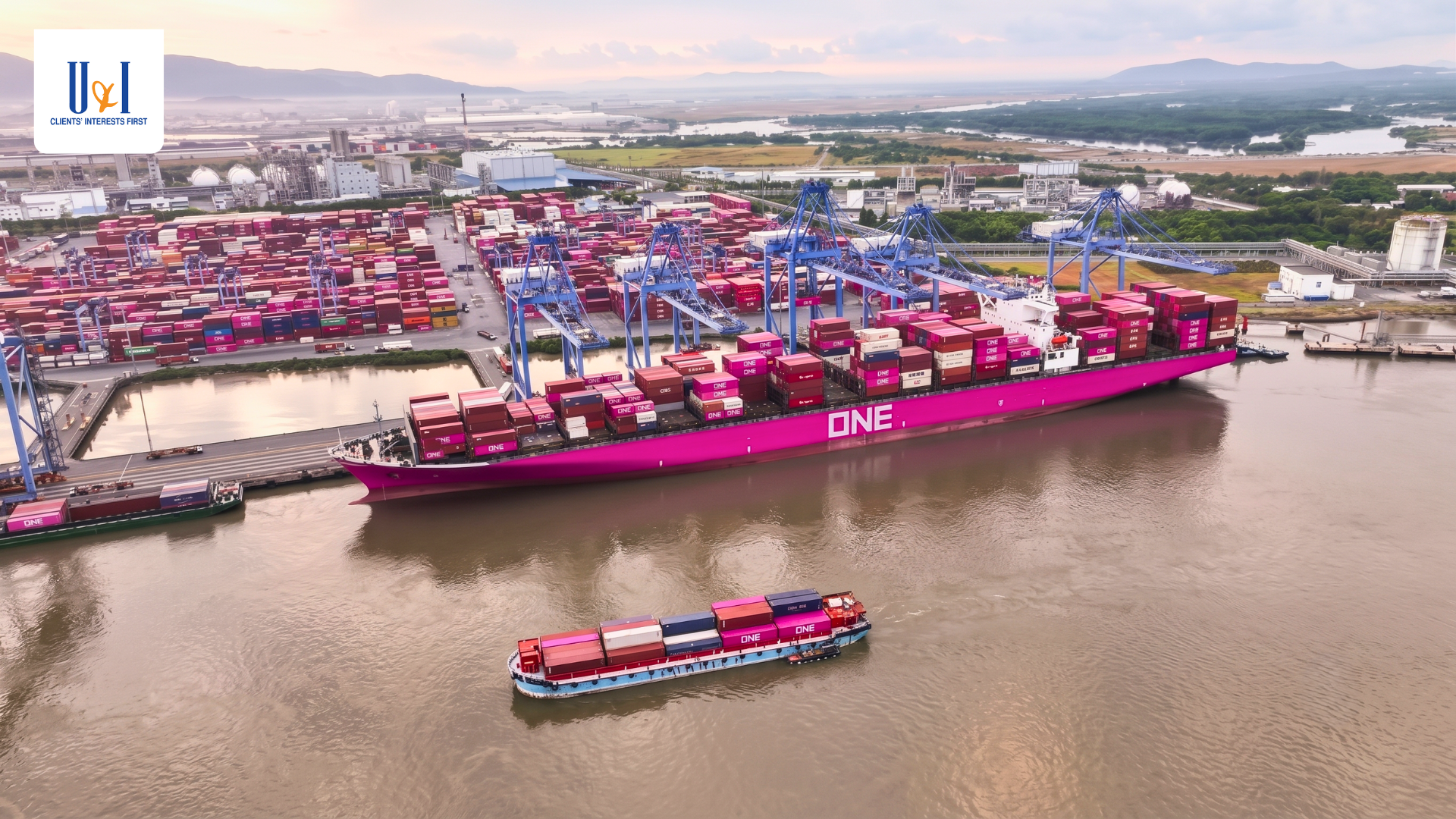
However, the freight cost equation represents only half of the problem. The other half lies in the ability to access actual slots and the source of empty containers. In peak weeks affected by blank sailings, the scarcity factor shifts from the price equation to the available transport capacity equation; shippers placing small individual spot bookings are typically the first group to bear the risk of rollover when vessels reach capacity limits.
This is the moment when the capability to maintain space allocation through large-scale partnerships with shipping lines plays a decisive role. The way U&I Logistics organizes its international freight forwarding services based on a network of the world's leading maritime partners (MSC, Maersk, Cosco, ONE…) clearly reflects this solution: when an individual shipper encounters obstacles in finding a container slot, a forwarder holding commitments across multiple transport alliances can flexibly coordinate rotation schedules even in the midst of carrier blank sailings, shifting the equation of accessing vessel slots from a passive position to an operating mechanism that is planned and controls disruption risk.
Principles When Applying the Strategy
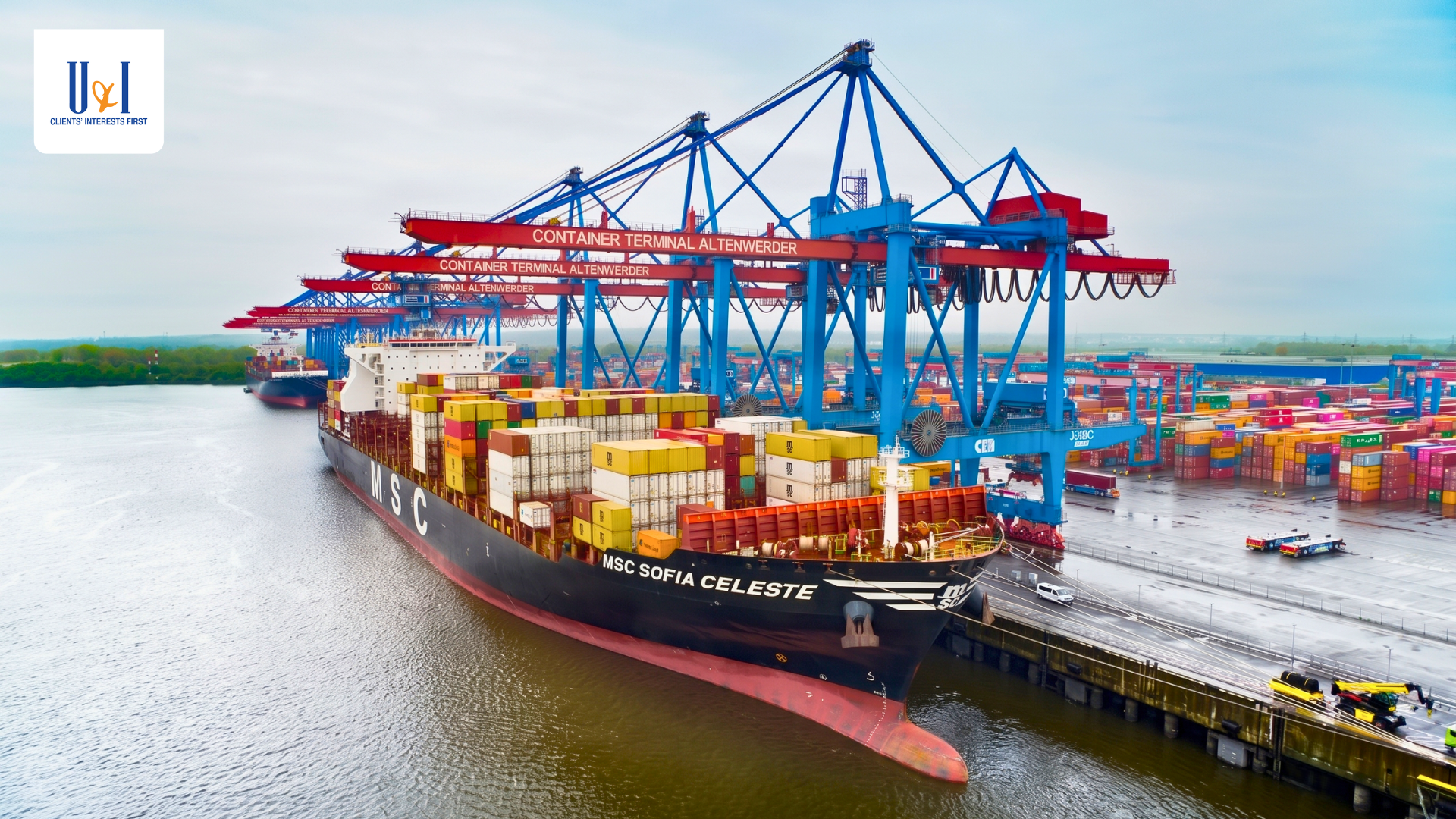
First, proactively book early around predefined volatility cycles. Extended holidays such as Golden Week and Lunar New Year are not unexpected events but clearly identified operational stops. Proactively pre-booking 4 to 6 weeks ahead of these peak periods is the optimal transport cost solution, helping businesses avoid the pressure of competing for capacity in the weeks just before vessel departure.
Second, approach the ratio between contract rates and spot rates as a flexible regulation mechanism. When spot prices fall below contract levels, businesses can increase the share of spot purchases; when the market tightens and slots become scarce, shifting the share toward long-term contracts with volume commitments will protect businesses against fluctuations. Closely monitoring international market indices such as the Drewry WCI, Shanghai SCFI, and Freightos Baltic Index (FBX) on a weekly basis is a necessary tool to promptly identify the elasticity of this cost gap.
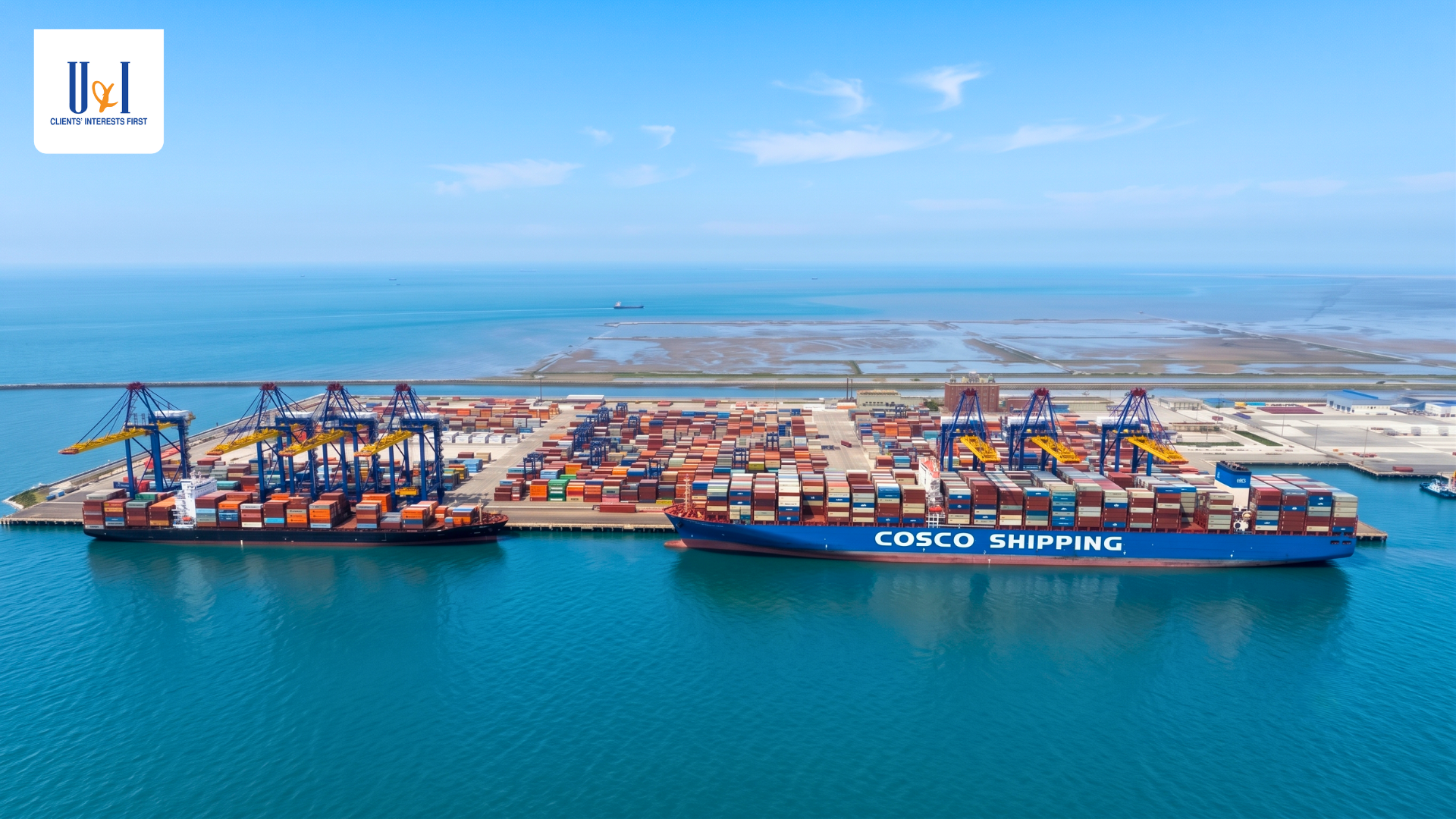
Third, during periods when shipping lines apply widespread blank sailings, prioritize the level of slot assurance and on-time loading capability, rather than only pursuing the lowest price. A container quoted at a cheap rate but delayed or rolled off at the port will generate far greater cost losses than a container at a reasonable rate but loaded onto the vessel according to the committed route.
Taken together, all three principles converge on one practical argument: the freight index on the tariff schedule indicates the nominal transport cost, but does not guarantee whether the shipment will be accepted onto the vessel. And in Q4, when maritime shipping alliances proactively regulate supply, the ability to preserve slots is the factor determining the stability of the profit margin. Businesses that look only at the figures on the quotation sheet while overlooking actual capability will face the risk of cargo flow stagnation at the very moment when alternative options are no longer feasible.



06/10/2026
A 2026 McKinsey report shows that AI has automated 60% of status updates, 73% of order confirmations, and 80% of invoice processing in logistics—yet three core capabilities that AI cannot replace are physical infrastructure, on-site contingency management, and the legal liability of licensed customs brokers.

06/10/2026
When the Drewry WCI reversed course with a 3% rise in early May 2026 and shipping lines simultaneously imposed PSS and GRI, the "sale hunting" tactic through spot rates is revealing structural risks — and the real equation lies in the capability to manage the forwarder vendor portfolio
06/10/2026
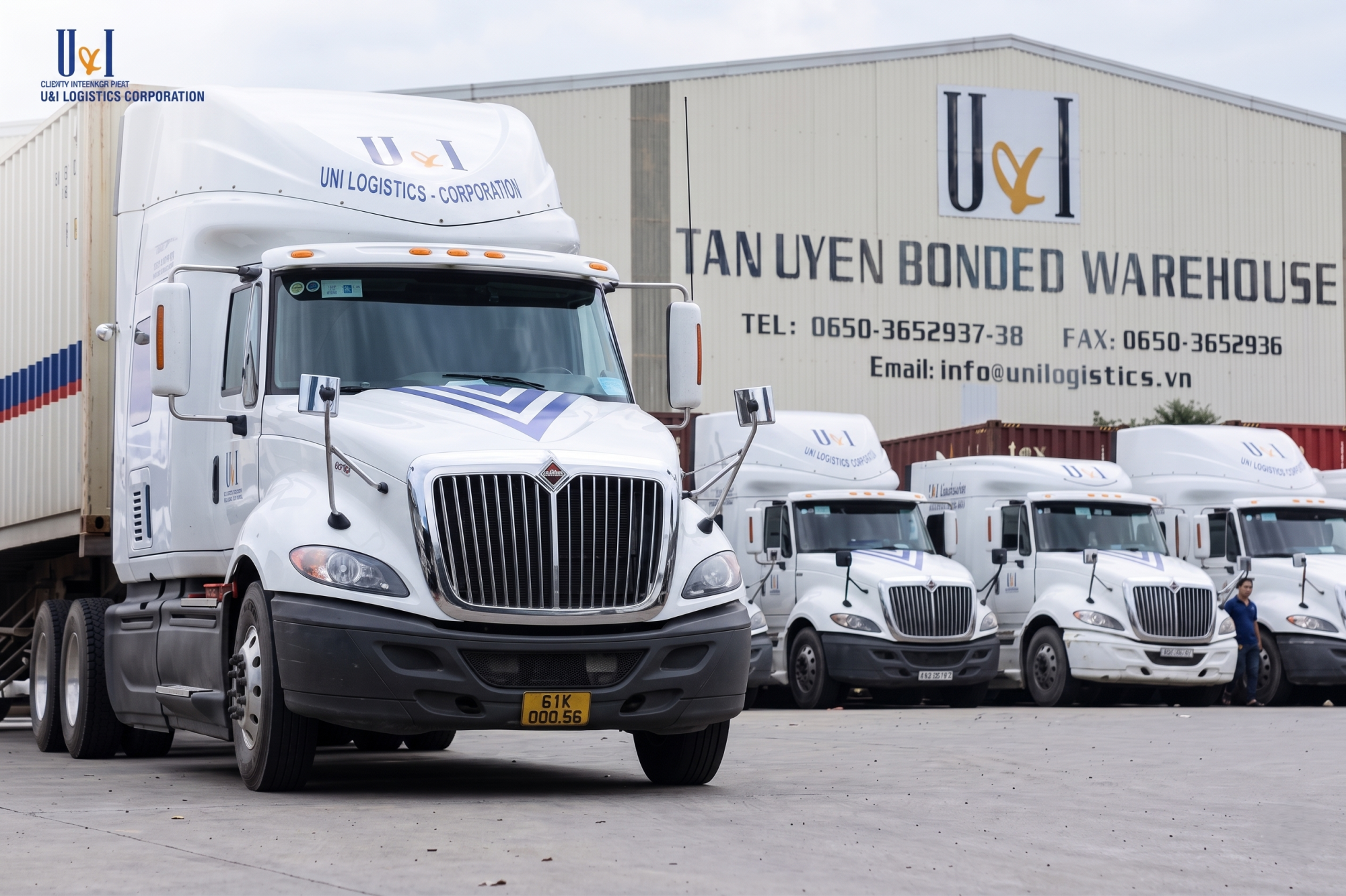
Fuel surcharges (BAF, Fuel Surcharge) are not merely an external cost line but a signal of the leanness of transportation network design — and an indicator for businesses to reconsider their outsourced logistics strategy


