

11/06/2026
The event of the MSC Hailey Ann II vessel preparing to dock at the Port of Dalian on June 19 marks the maiden voyage of the Ochna service — a dedicated intra-regional service established by MSC (Mediterranean Shipping Company), the world's largest container shipping line, to directly connect the two gateways of Hai Phong and Ho Chi Minh City with the key port chain of North China (Dalian, Tianjin, Qingdao).
On a global shipping scale, the appearance of a single sea lane is not enough to alter the macro landscape. However, when a leading global shipping line decides to invest resources in operating a direct route without transshipment, this is a strategic signal that supply chain operators are compelled to analyze deeply. It reflects a new way of thinking about Vietnam's geo-economic position in the structure of Southeast Asian logistics.
The Logistics Coordinate Axis Shifts
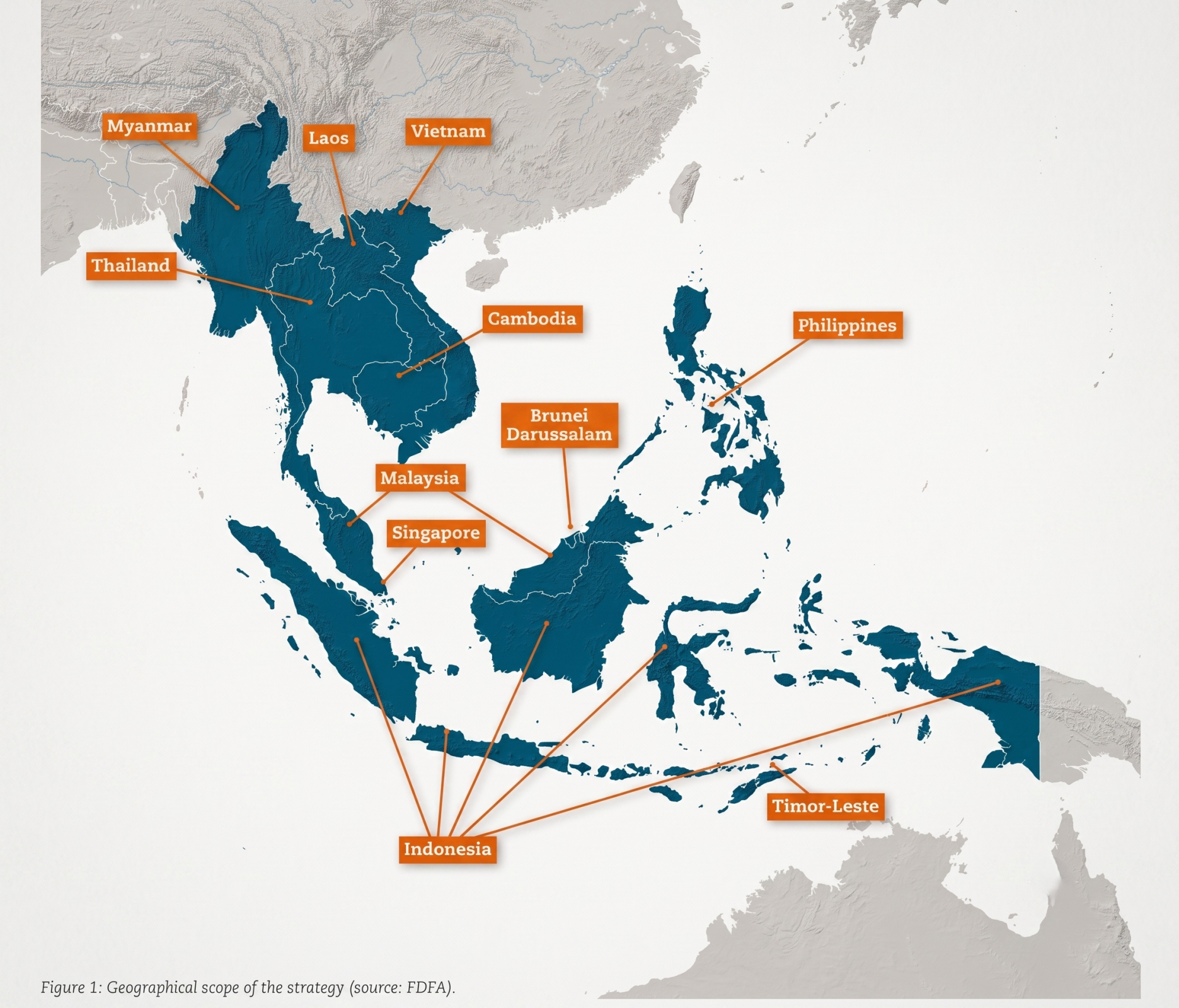
In strategic infrastructure planning reports, the goal of turning Vietnam into a regional-level logistics hub is often paired by default with a linear roadmap: investing in the construction of deep-water mega-ports with sufficient scale and handling capacity to compete with and dethrone Singapore from its position as Southeast Asia's number one transshipment hub.
After the disruption shocks from the pandemic and the prolonged geopolitical conflicts stretching from Europe to the Middle East, the architecture of the global supply chain is undergoing a foundational restructuring. The strategy of optimizing standalone production costs is being replaced by the trends of risk diversification, near-shoring, and the regionalization of the physical flow of goods.
According to a report by the Asian Development Bank (ADB), intra-regional trade now accounts for more than 50% of Asia's total trade turnover. At the same time, data from the DHL Trade Atlas 2025 forecasts that the East Asia and Pacific region will contribute up to 34% of global trade growth in the 2024–2029 period, outperforming both traditional markets of North America and Europe.
The boom in high-capacity intra-regional trade corridors — notably the China – Vietnam axis and the Thailand – Malaysia – Singapore axis — has exposed the limitations of the centralized transshipment model (Hub-and-Spoke) that Singapore represents.
The rise of direct sea routes such as Ochna proves that part of the surplus value of the supply chain is shifting away from the transshipment quay at sea and moving deeper inland — where goods are received, cleared through customs, stored for distribution, and dispatched directly to factories or end consumer markets.
Vietnam's position as a logistics hub, therefore, is not defined by possessing a mega-port that goes head-to-head with Singapore, but lies in the capability to absorb and process intra-regional cargo flows right within the heart of the domestic economy.
The Strategic Triangle Structure
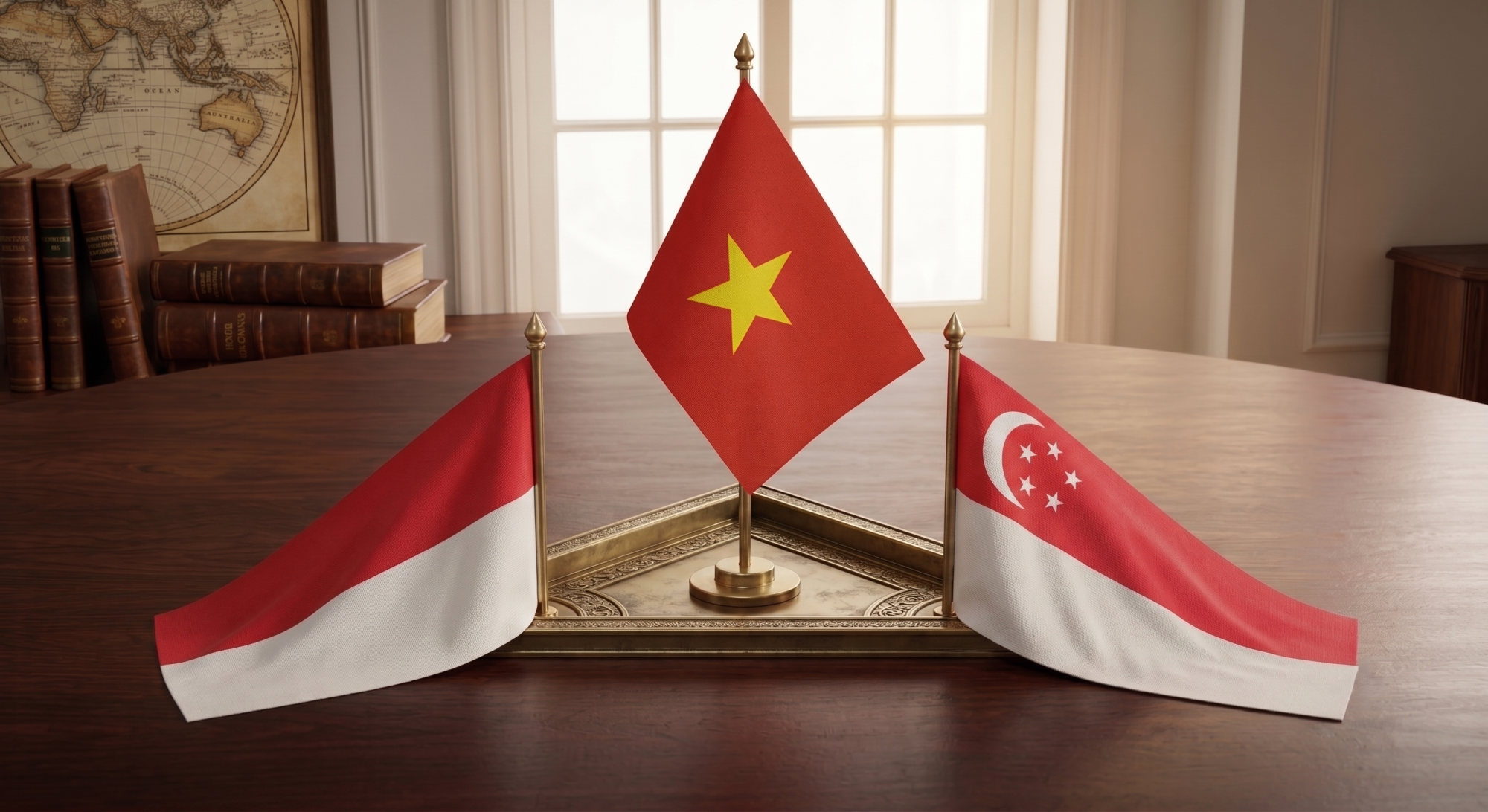
To clearly identify this shift, let us analyze the operational route of a typical consumer goods flow within the region. A container of cargo departing from a central warehouse in Guangzhou bound for Jakarta, under the traditional model, must sail through the mega-port of Singapore to undergo the operations of unloading and transshipment onto Feeder vessels before docking at its destination in Indonesia.
Under the new intra-regional structure, the container travels straight through the direct route to the gateway port cluster of Hai Phong, immediately moves into the domestic warehouse system for labeling and sorting, order consolidation optimized for each niche market in the region, and only then continues to fan out to ASEAN countries. The stage that creates the highest added value and retains customers within the supply chain has officially moved away from the loading and unloading quays at sea and shifted deep into integrated distribution centers.
Empirical data from maritime market research organizations such as Mordor Intelligence has confirmed this trend. In the Intra-Asia freight forwarding market, the segment recording the strongest growth pace is the distribution trade segment, maintaining a compound annual growth rate of 5.5% extending to 2030, far surpassing the manufacturing and mining bloc. Among these, the China – Vietnam trade corridor alone has established a share accounting for up to 13.5% of the total market value.
Placed within the overall regional picture, the landscape is no longer a direct confrontation among countries for the position of mega-port, but is taking clear shape as a Strategic Distribution Triangle with a clear international division of labor among three core vertices:
Singapore: The financial headquarters, the digitalization of documentation flows, and the coordination of trans-oceanic shipping routes.
Indonesia: Positioned as a large downstream consumer market, the final destination of the flow of finished commercial goods.
Vietnam: Holding a dual position — both a large-scale processing and manufacturing workshop, and located at the strategic gateway coordinates connecting with the Chinese economy. Vietnam is one of the few economies with sufficient capability to take on the role of a strategic hub where intra-regional cargo undergoes the value chain completion and distribution operations, keeping the entire circulation flow of the economic triangle safe with the lowest possible delay.
An intra-regional distribution system can only run smoothly when the economy possesses a warehouse infrastructure that meets international standards and a seamless chain of technological processes to perform the operations of consolidation, separation, and order restructuring. This is a segment that demands very large investment in digital management, but it determines whether the flow of goods will stay to create surplus value or immediately flow through to another country.
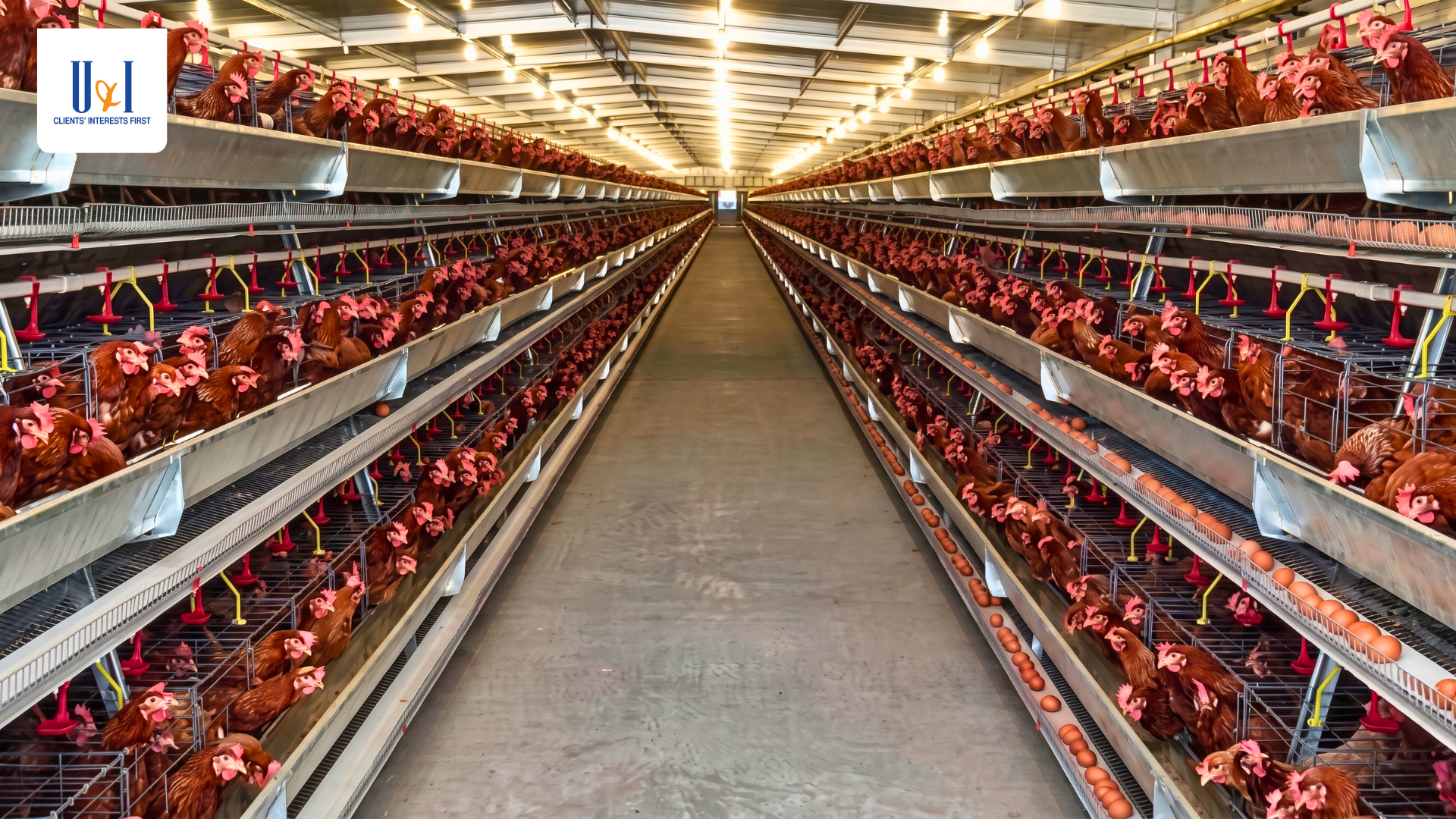
In Vietnam, this is precisely the strategic space that domestic logistics enterprises with a systems mindset are focusing on building to establish their core competitive capability. The high-standard warehouse chain model of U&I Logistics is a representative field example illustrating this operating mechanism.
Instead of maintaining the traditional warehouse operation mindset — which focuses solely on leasing pure storage space — this company's infrastructure architecture is designed as an Integrated Supply Chain Platform. The flow of information through the WMS system and the data center is directly integrated to process shipments automatically with high precision.
This is what a true regional distribution center looks like. And this is the strategic battleground where Vietnam's logistics capability can establish its position in the global value chain.
What Role Should Vietnam Play in This New Game?
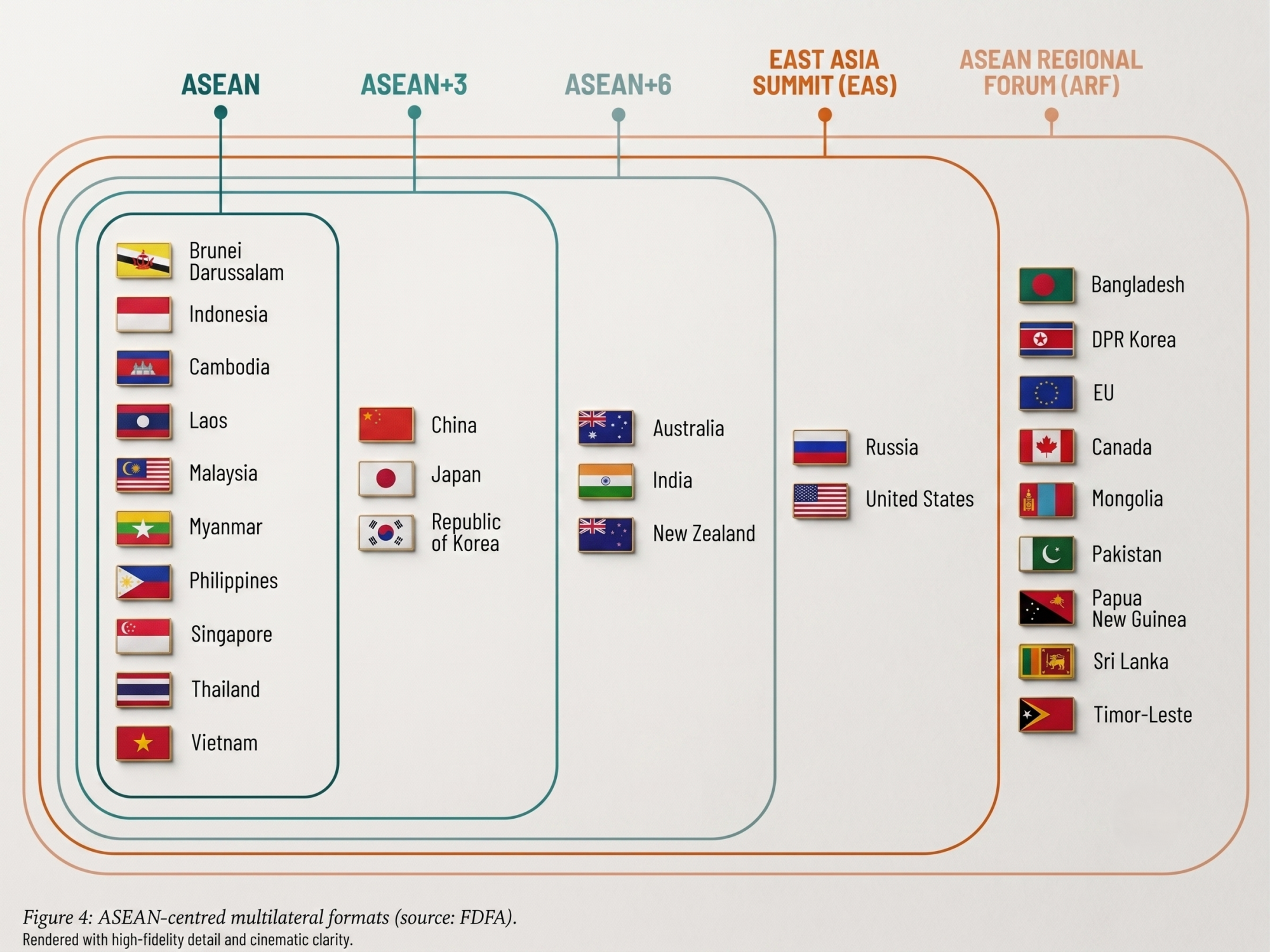
In terms of macro planning, Vietnam's core objective is not to pour resources into building a confrontational copy of Singapore, but to fully claim and operate the role of the Integrated Distribution Platform of the Southeast Asian strategic triangle. This may be a position with less glamour than ocean-going mega-ports, but it possesses the capability to take deeper and more sustainable root within the structure of the global value chain.
Seen through the lens of economic history, this is a pivotal change in role for Vietnam's economy. Throughout the 2010s, Vietnam joined the global trade flow primarily at the downstream segment of the supply chain: receiving raw materials or semi-finished components from upstream, carrying out the assembly and basic processing stages by leveraging labor cost advantages, and then exporting directly to ocean-going consumer markets.
Now, in the face of the rise of intra-regional trade corridors and the wave of expanding direct sea routes, a strategic opportunity is opening up that allows Vietnam to step from the position of a party executing a single isolated stage to the position of coordinating the entire flow of regional goods. The group of Vietnamese logistics enterprises is transforming itself from the endpoint of a supply chain into the command center at the heart of a multi-dimensional supply network.


11/06/2026
The tariff gap between in-quota and out-of-quota TRQ rates can reach 80-100% for sugar — turning the clearance equation into an equation of synchronizing vessel arrival timing with the legal effective date of the quota document. The key solution is the bonded warehouse.
11/06/2026
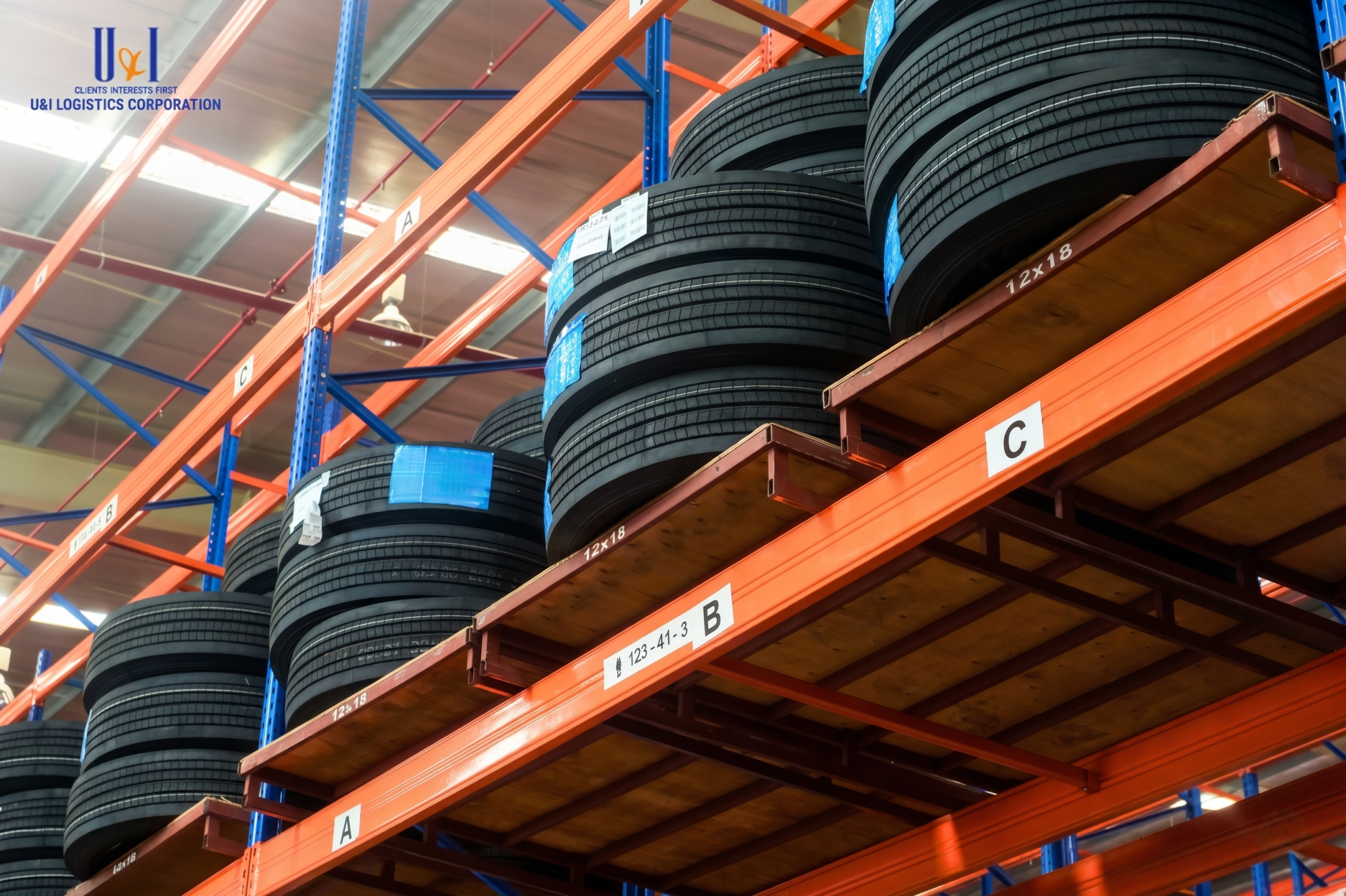
Brent oil prices broke below the USD 80/barrel mark for the first time since March 2026 following the US-Iran agreement to reopen the Strait of Hormuz, but Asia-US maritime freight rates jumping 51% in a single week may affect the cost benefits of synthetic rubber for the tire export industry.
11/06/2026
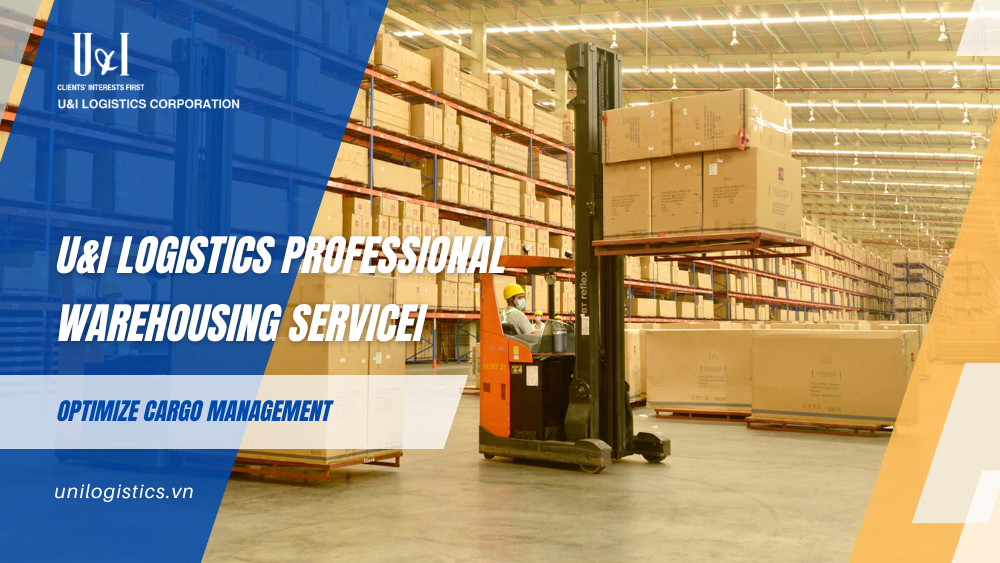
No matter what industry or product you are doing business in, the question about using warehousing service outsourcing is an indispensable part of the supply chain of import-export and trade enterprises today...


