

14/07/2026
Vietnam's agricultural economy closed the first half of 2026 with export turnover of agricultural, forestry, and fishery products reaching USD 35.88 billion, recording a growth rate of about 6% compared with the same period last year. A representative from the Customs Department noted that if total turnover for the whole year meets the target of around USD 75 billion, then in the following period, the entire industry must maintain a growth rate exceeding 15% per year to reach the USD 100 billion milestone before 2030.
The USD 30 Billion Gap and the Limits of the Output Model

Over the past two decades, the growth of Vietnam's agricultural sector has mainly been driven by the formula of expanding output horizontally: planting more area, raising more livestock, and increasing raw output. However, the data show that this approach is running out of room to develop.
The room to expand cultivation area is narrowing, while water resources and the rural labor force are under significant pressure from the pace of urbanization, along with direct threats from climate change such as drought, saltwater intrusion, and disease outbreaks.
Trying to push output through the overuse of fertilizers and pesticides no longer delivers economic effectiveness; on the contrary, it causes agricultural products to encounter major barriers when facing increasingly stringent sanitary and phytosanitary (SPS) standards in international markets.
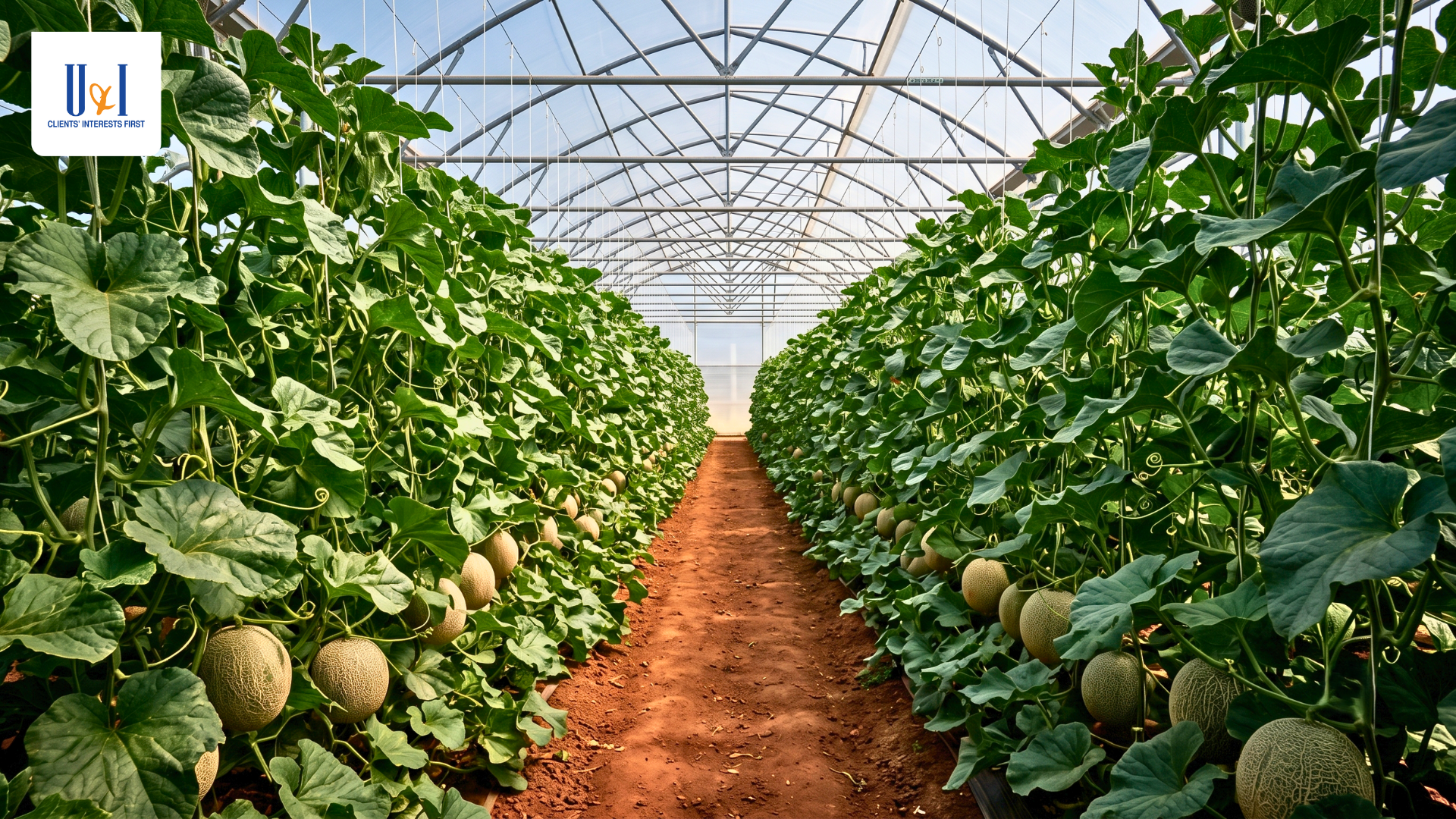
According to Vinafruit Chairman Nguyen Thanh Binh, durian cultivation area has now exceeded 170,000 hectares, pushing projected output close to 2 million tons. The pressure to absorb this massive agricultural output is being pushed entirely onto post-harvest handling infrastructure.
This quantitative picture becomes even more pronounced when analyzing deeper into the seafood industry. The Vietnam Association of Seafood Exporters and Producers (VASEP) forecasts that the industry's total turnover in 2026 is expected to exceed USD 12 billion.
However, to contribute sufficiently to the shared USD 100 billion target of the entire agricultural sector, seafood turnover must grow by around 30% to reach USD 16 billion. VASEP's executive board confirms: to reach the USD 14–16 billion range in the following period, the industry must simultaneously address bottlenecks in raw materials, certifications, traceability, IUU, compliance costs, and logistics.
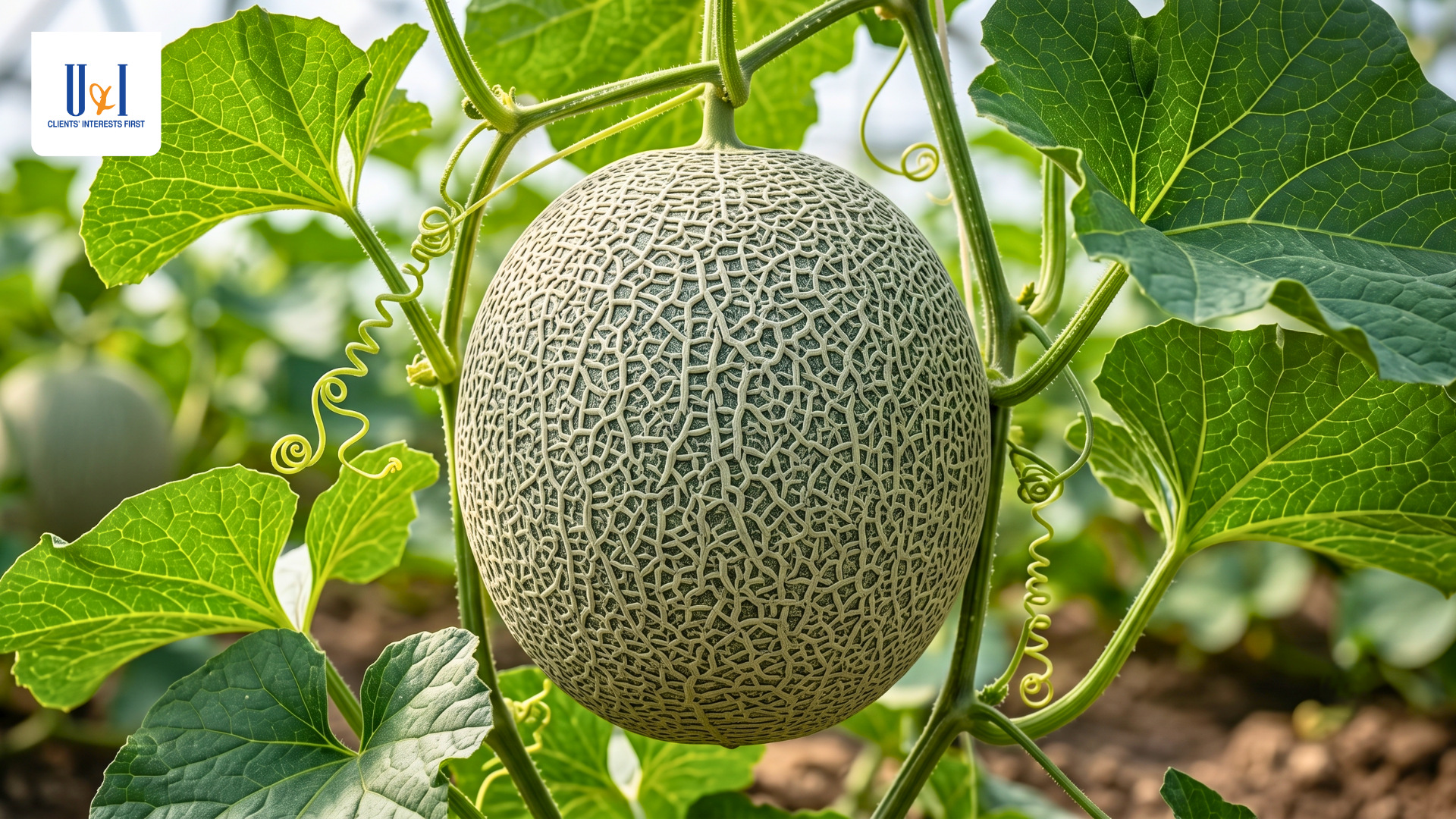
Sharing this view, the Vietnam Fruit and Vegetables Association also identified the core bottleneck of the entire industry as lying in the reality of fragmented production and the lack of organic linkage. As a result, businesses find it very difficult to synchronously control product quality and cannot meet strict international quarantine standards when exporting on a large scale.
One of the shortcomings of Vietnam's agricultural sector today does not lie in the capability to produce goods, but in the capability to organize logistics to optimally move the volume of agricultural products already available domestically out to global markets.
Portions of Value That Vanish
To accurately assess the extent of losses in the agricultural export supply chain, we need to look directly at the actual journey of a container. Agricultural, forestry, and fishery goods carry a characteristic that is completely different from finished industrial goods: they always carry a biological countdown clock. For this group of temperature- and time-sensitive goods, every day spent waiting in the logistics chain means that a portion of product quality declines and a portion of commercial value vanishes.
Yet current operating reality contains too many unplanned waiting periods. Data from customs authorities indicates that an agricultural export shipment typically has to go through many specialized inspection stages under the management authority of different ministries and sectors, causing significant increases in time and administrative costs for businesses.
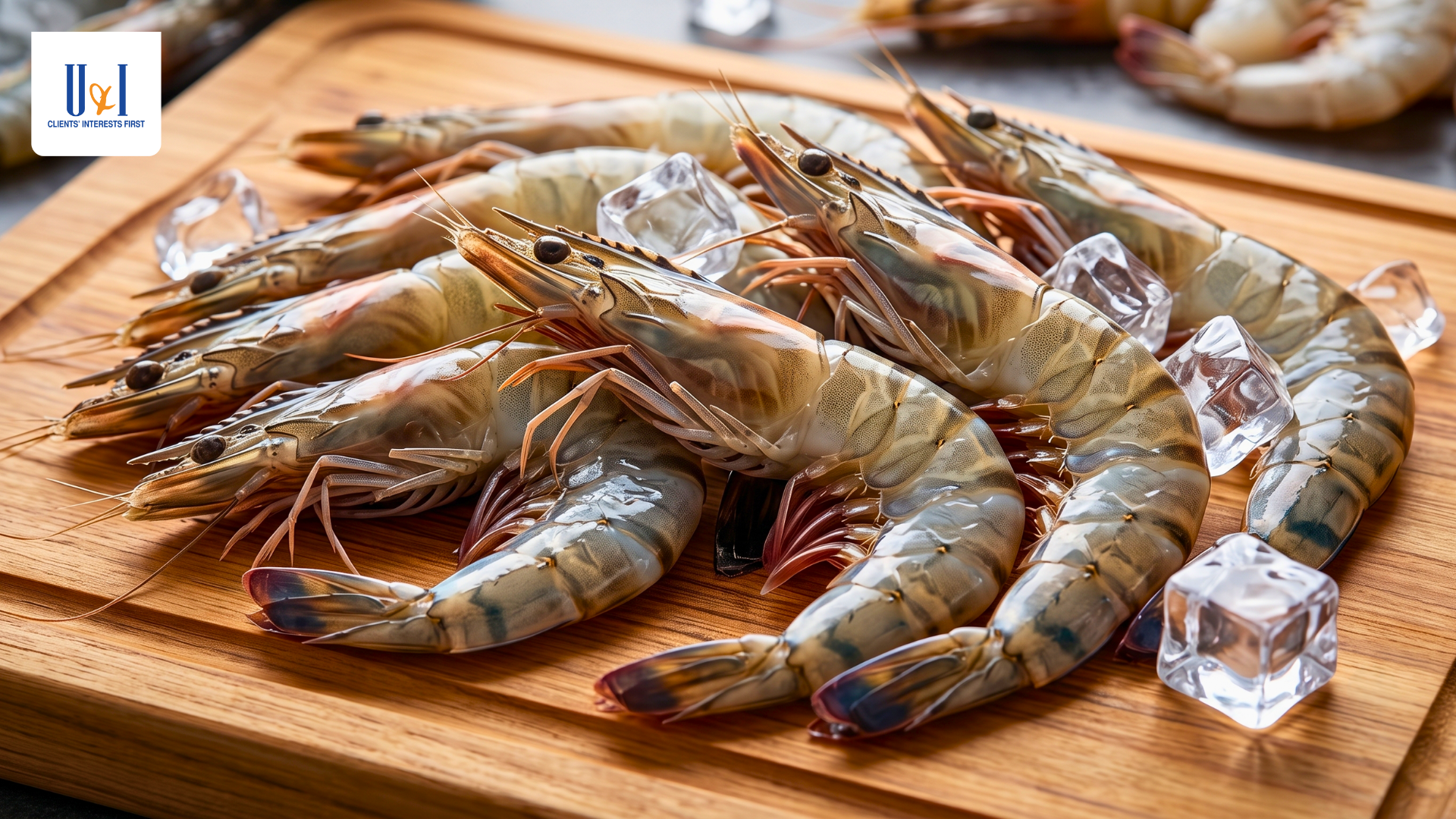
To address this bottleneck, traceability experts have proposed the solution of digital identification for each package and container, integrating all data from the cultivation area along with inspection results onto a synchronized information system to shorten clearance time.
A greater challenge for agricultural businesses also comes from the habit of running the supply chain with fragmented pieces of service. When the trucking fleet, customs brokerage agents, and freight rate providers all belong to independent suppliers, the risk of information disruption at the operational joints is extremely high.
Just one link encountering a problem — a reefer truck arriving at the port after the shipping line's cut-off time, phytosanitary documentation missing paperwork, or a container waiting at the yard during peak season — and the shipment's schedule will freeze.
For products with short shelf lives, every hour of delay reduces the value of the goods, and businesses find it hard to recover the losses. Therefore, the standardization process cannot stop at the cultivation area or aquaculture zone; it must be established seamlessly all the way through until the cargo container is loaded onto the vessel.
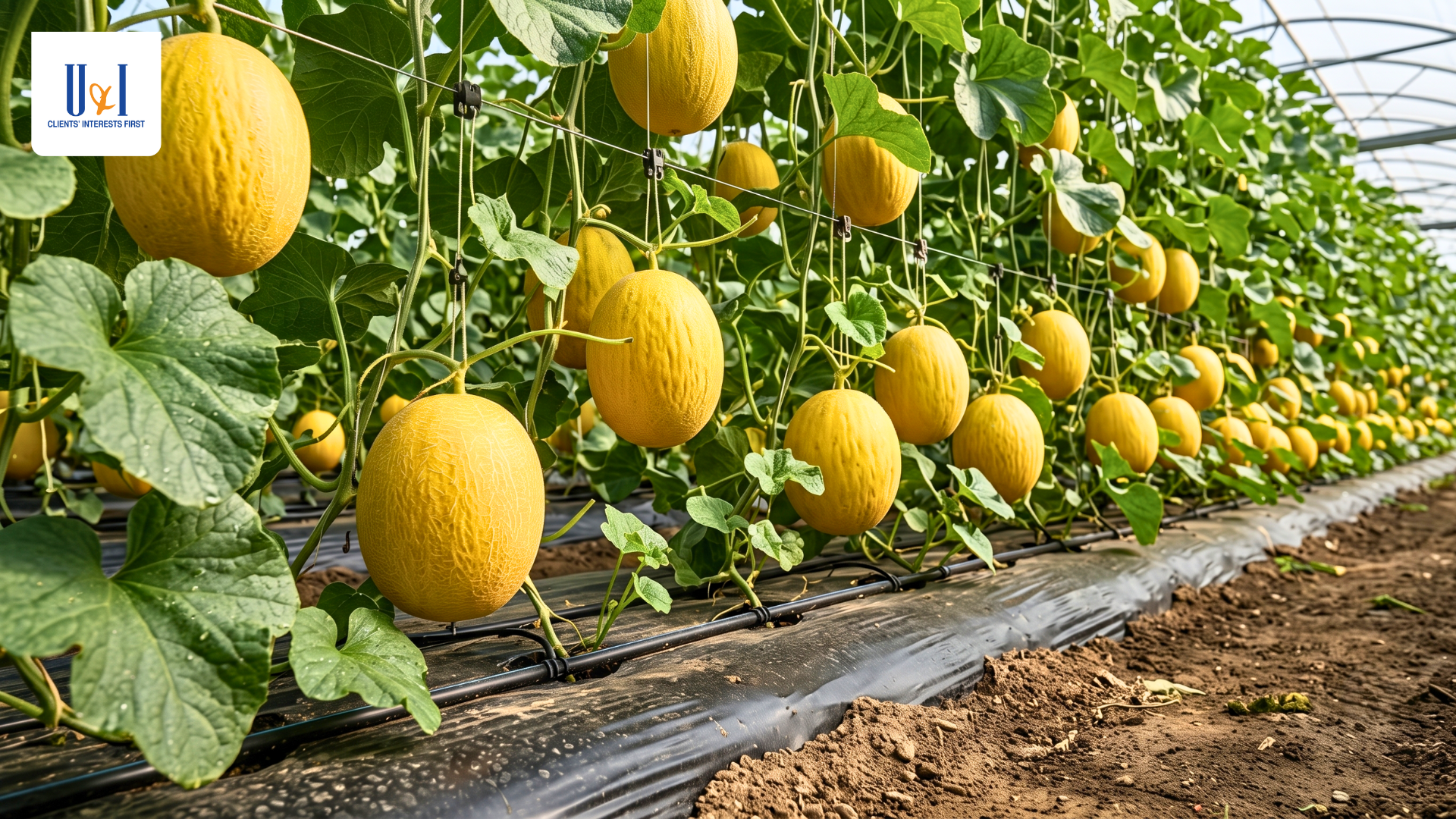
In that context, the integrated logistics service model is becoming a tool to preserve the value of agricultural exports. The operating approach of U&I Logistics (a member of the U&I Group ecosystem) is a concrete example. By proactively synchronizing the entire operating chain:
Agricultural products have a biological nature that cannot stop and wait, and therefore, tight control over the logistics operating system serving the agricultural sector is the key to preserving the full commercial value of Vietnamese agricultural products when they step out to international markets.
The USD 100 Billion Future of the Agricultural Industry

In the equation of agricultural economics, the volume of raw output harvested only solves the story of the season. The USD 100 billion export turnover milestone poses a mandatory pressure: the entire Vietnamese agricultural value chain must accelerate its operations to twice the current pace. On such a racetrack demanding extreme performance, businesses cannot maintain a supply chain system patched together from fragmented and unsynchronized pieces of logistics service.
To unclog the flow of agricultural goods, experts at the roundtable proposed establishing a government-level operating team to directly resolve inter-agency legal bottlenecks. This is a core task within the scope of macro policy planning, creating a one-stop mechanism for the flow of goods through customs.
However, a smooth legal corridor is only a necessary condition; the sufficient condition determining the survival of the speed of goods flow still lies entirely in the actual operating capability of businesses.
Businesses that proactively partner with integrated logistics chains such as U&I Logistics will begin to control the time variable through synchronizing procedural data and minimizing risks related to shipping lines.
When upstream organizing capability is tightened at every link, the gap from USD 75 billion to USD 100 billion will be the story of competition and the preservation of the full commercial value of Vietnamese agricultural products on the international export map.


14/07/2026
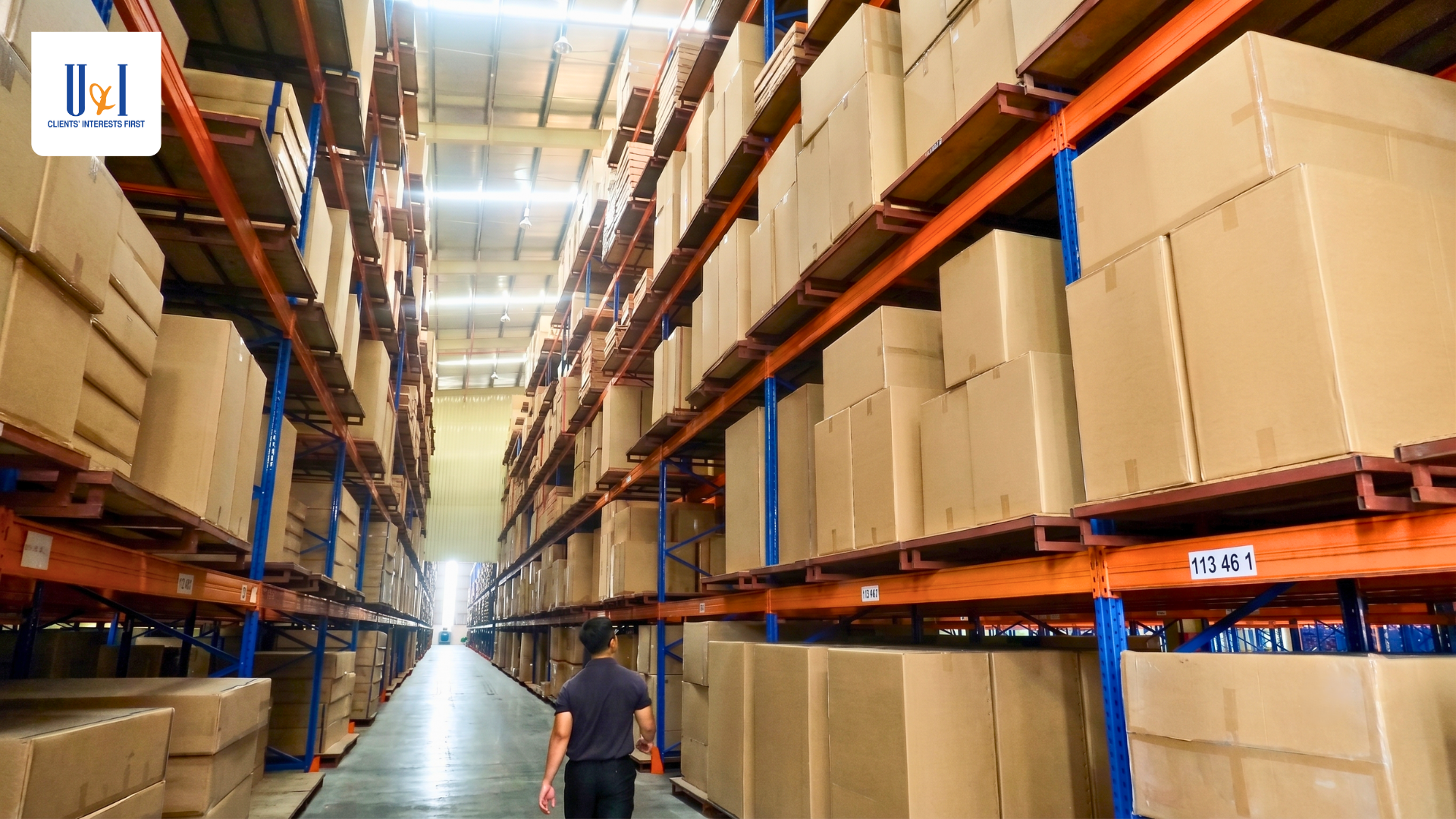
The wave of 100+ Taiwanese semiconductor businesses surveying Sonadezi Chau Duc in July 2026 sets a new requirement for Vietnamese warehouses: the C-TPAT and TAPA FSR certifications have become mandatory passports for accessing the highest-value segment of high-tech cargo.On July 7, 2026, more than 100 businesses in the semiconductor supply chain — the majority coming from Taiwan and serving as supply partners for major corporations such as NVIDIA, Tesla, and Starlink — conducted an investment survey at the Sonadezi Chau Duc Industrial Park. This is also where the Electronic Tripod factory has just injected USD 450 million to launch Phase 1 trial operations from mid-June 2026. In the same year, Intel raised its investment commitment in Vietnam from USD 1.5 billion to USD 4.1 billion, nearly tripling in scale. These developments have been continuously assessed as a golden opportunity for the domestic warehousing industry.
14/07/2026
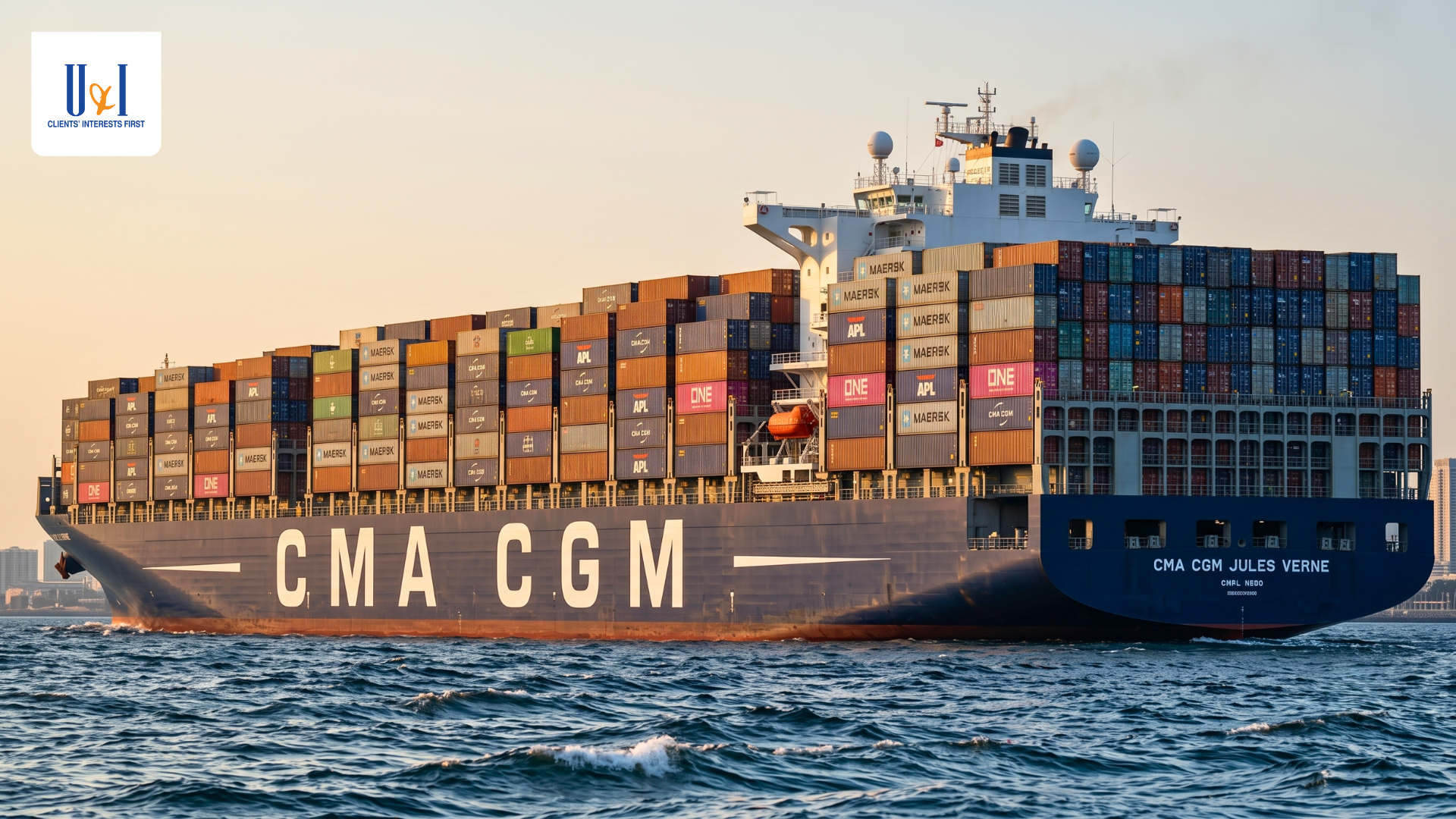
The CMA CGM acquisition of FedEx Supply Chain for USD 1.4 billion, covering 150 warehouses in North America, marks a wave of vertical integration M&A among major shipping lines, narrowing the negotiating space of shippers and highlighting the role of independent forwarders in protecting cash flow.
14/07/2026
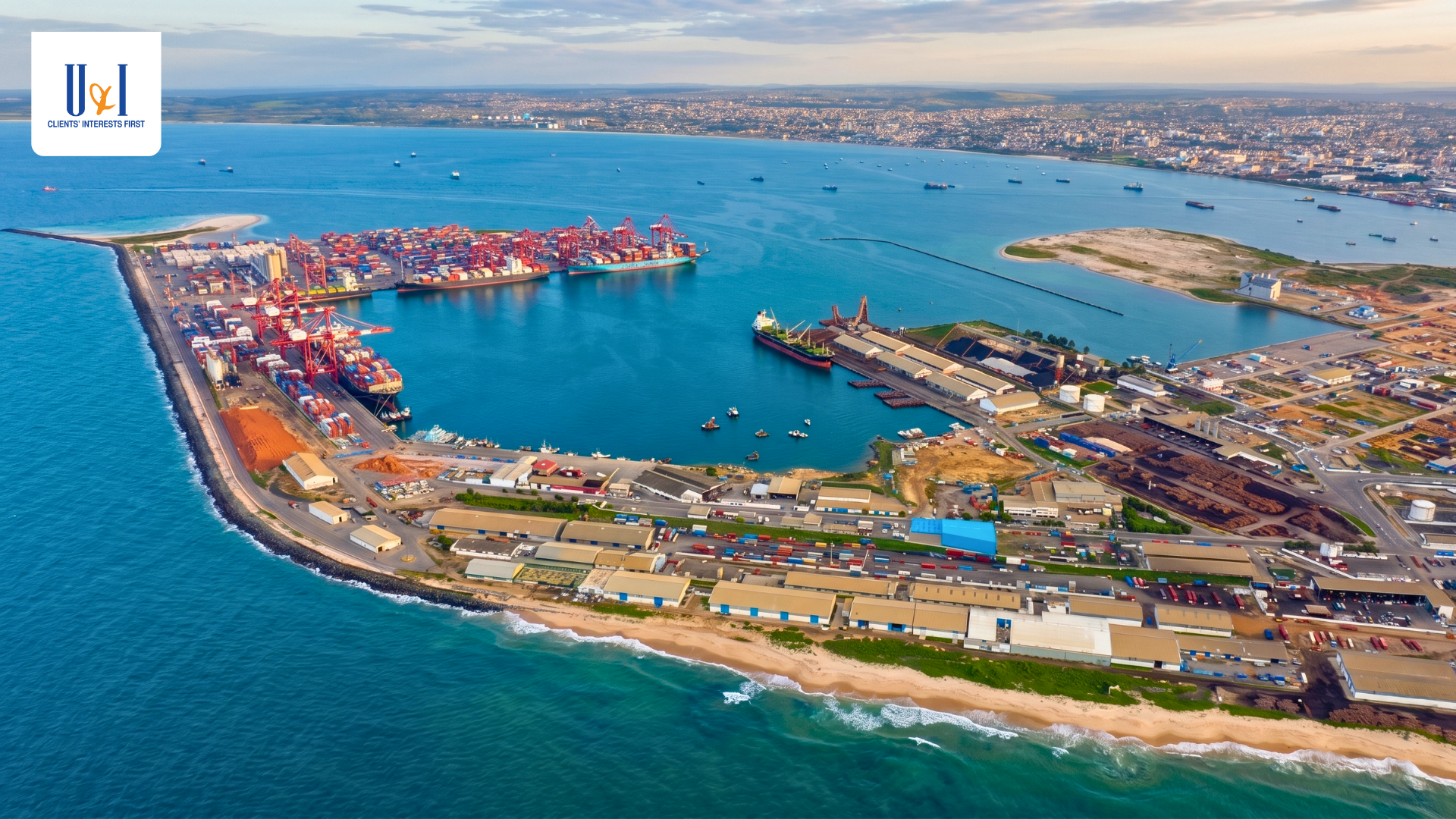
Diversifying to Africa and the Mediterranean to share risk is the right move, but the new PSS from CMA CGM shows that niche routes are precisely where shippers hold the weaker hand.


