

30/06/2026
The decision by the Ocean Alliance shipping consortium to add the Polish port of Gdańsk as a direct call on its Asia – Europe deep-sea service (AEU7) in mid-2026 has opened up a new strategic shipping route. In the official schedule of this trunk service, Vietnam's deep-water Cai Mep port is positioned as the connection point just before the Singapore stop.
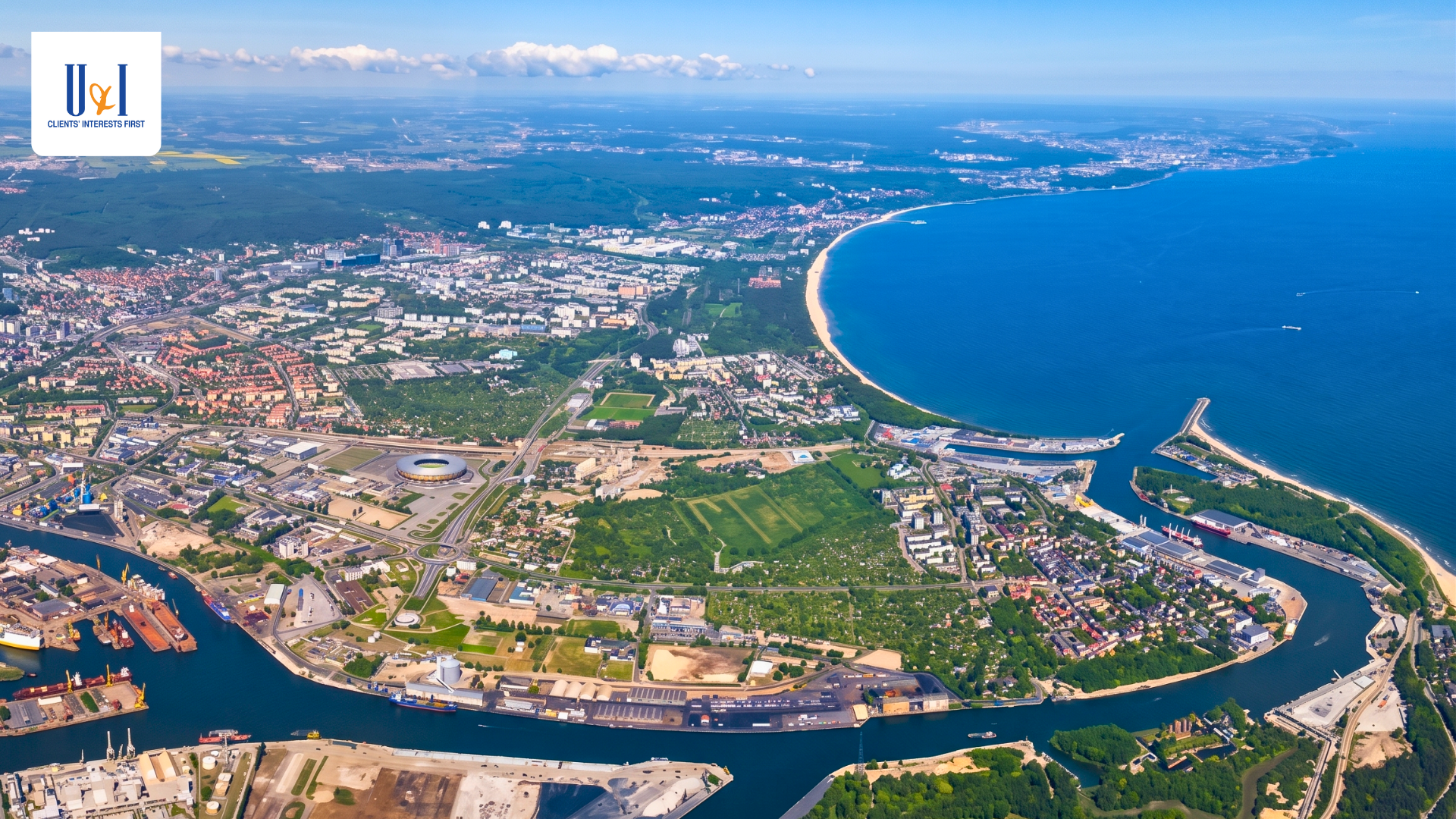
This change means that a cargo container departing from Cai Mep can now sail straight to the Baltic coast without having to undergo the transshipment process at any mega-port in Western Europe. For Vietnamese exporters serving the Eastern European market, this is a trade gateway that has just been opened directly.
To Enter Eastern Europe, You No Longer Have to Go Through Rotterdam
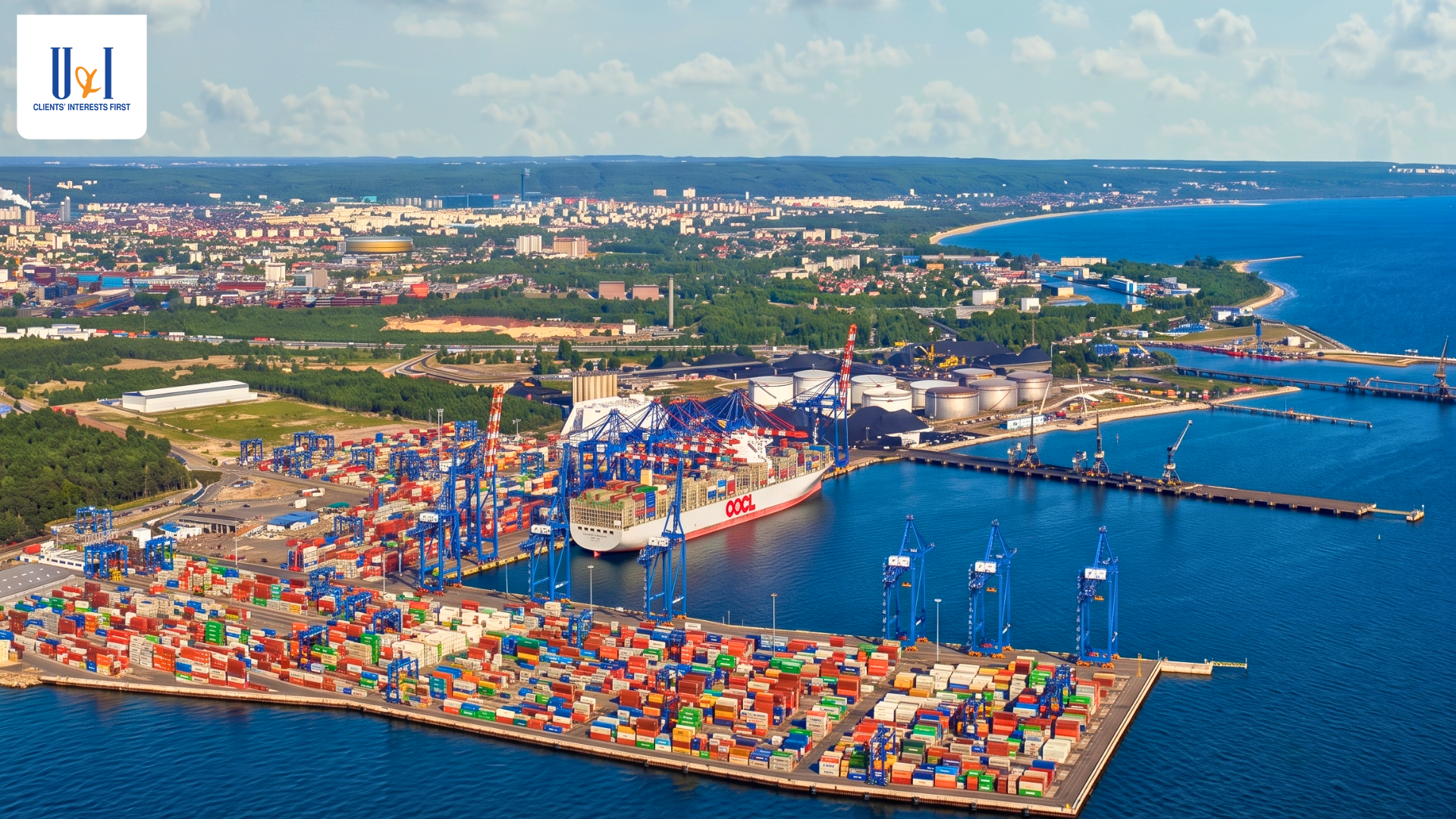
Until now, getting goods into the Central and Eastern Europe region typically required passing through major gateway ports in Western Europe such as Rotterdam (Netherlands) or Hamburg (Germany). At these mega-ports, containers would be unloaded onto the yard and wait to be loaded onto feeder vessels to continue the short-haul journey into the inner region.
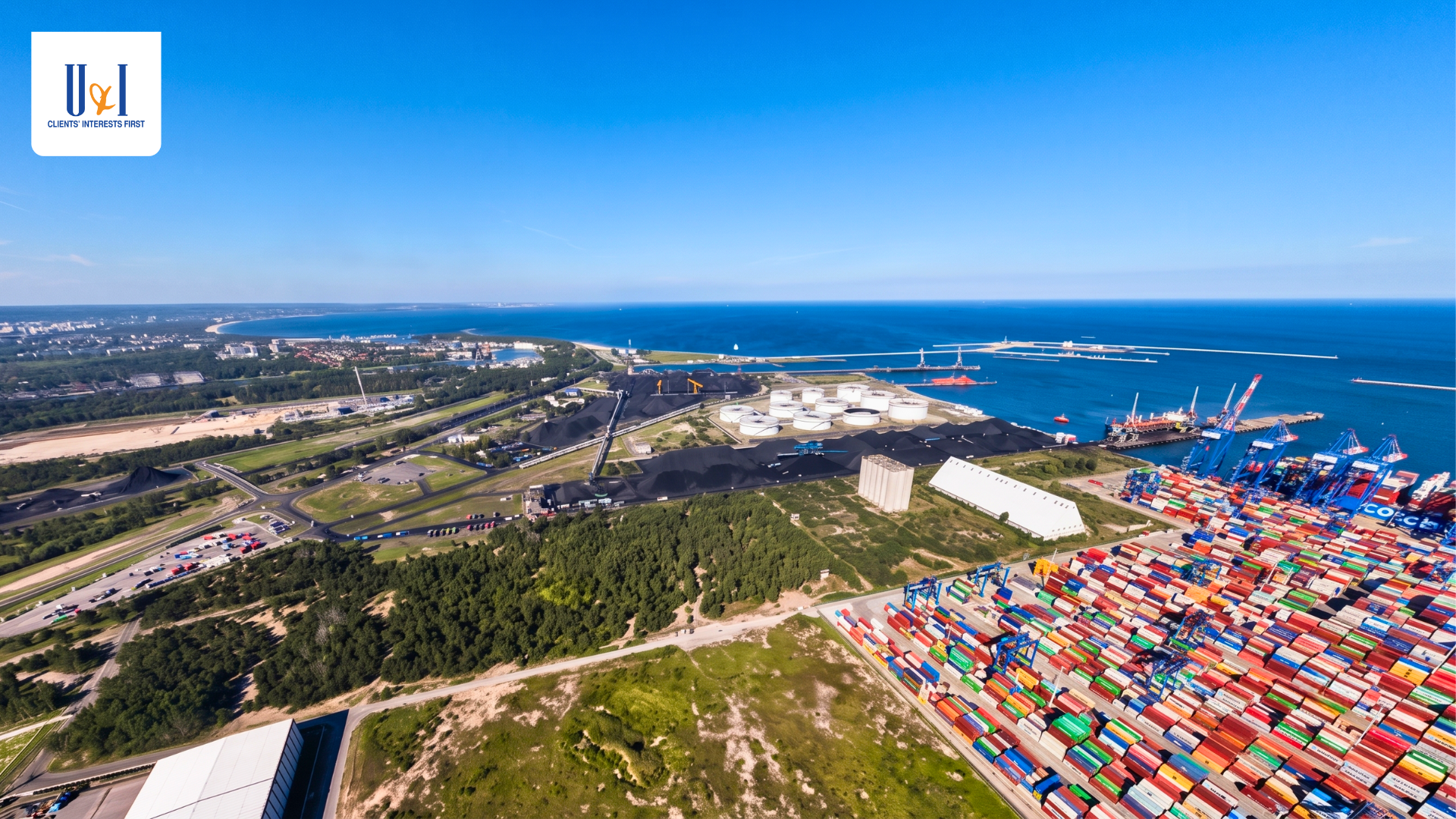
The Port of Gdańsk, through its Baltic Hub division, is the only deep-water port in the Baltic Sea region with infrastructure capacity and draft depth sufficient to receive mega mother vessels with a carrying capacity of over 24,000 TEU running direct services from the Far East. After the new T3 terminal was officially put into commercial operation, the total handling capacity of the entire Port of Gdańsk was raised to 4.5 million TEU per year.
Beyond the technical parameters, Gdańsk's geographical position serves as the maritime gateway providing direct access to a consumer market of approximately 100 million people in the Central and Eastern Europe region. The port is directly connected to the intermodal railway network and the highway system reaching deep into inland countries such as the Czech Republic, Slovakia, Ukraine, and the Baltic states.
The movement of export goods from Vietnam is no longer forced to pass through transshipment stations in Western Europe; it can now reach directly into the consumer heartland, significantly optimizing transport costs and time for businesses.
Is the Door Open to Everyone?
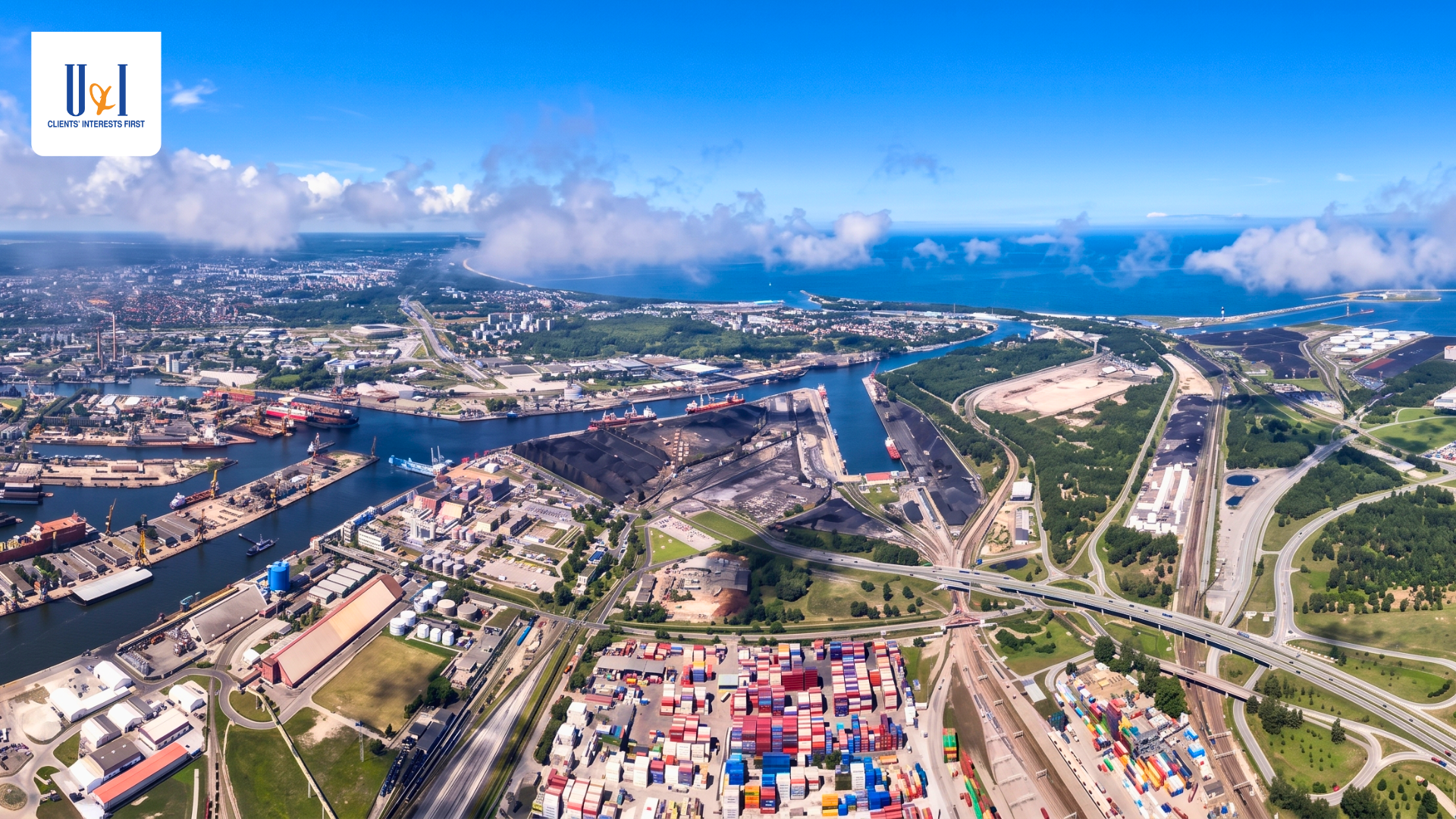
When a shipment bound for Eastern Europe must stop at Rotterdam, it not only incurs additional handling fees at both ports but also extends the total transport time by 5 to 7 days. Businesses must accept a major risk: if the feeder vessel encounters problems, the container will be left on the yard for many days in Western Europe, affecting delivery commitments already made with partners. The direct sea route from Cai Mep to the Port of Gdańsk has helped shorten transport time while keeping the schedule at a higher level of stability.
The Gemini Alliance is concentrating its efforts on improving the Asia – Mediterranean route, with the goal of bringing transport capacity in this region to nearly 30% by July 2026 through a system of shuttle sub-loops. The framework agreement between the US and Iran in mid-June reopening the Strait of Hormuz is prompting shipping alliances to calculate plans for bringing mega-vessels back to the route through the Suez Canal, instead of detouring around the Cape of Good Hope.
The new maritime gateways — from the direct Baltic route to the streamlined Mediterranean network — will gradually come into actual operation during July and August 2026.
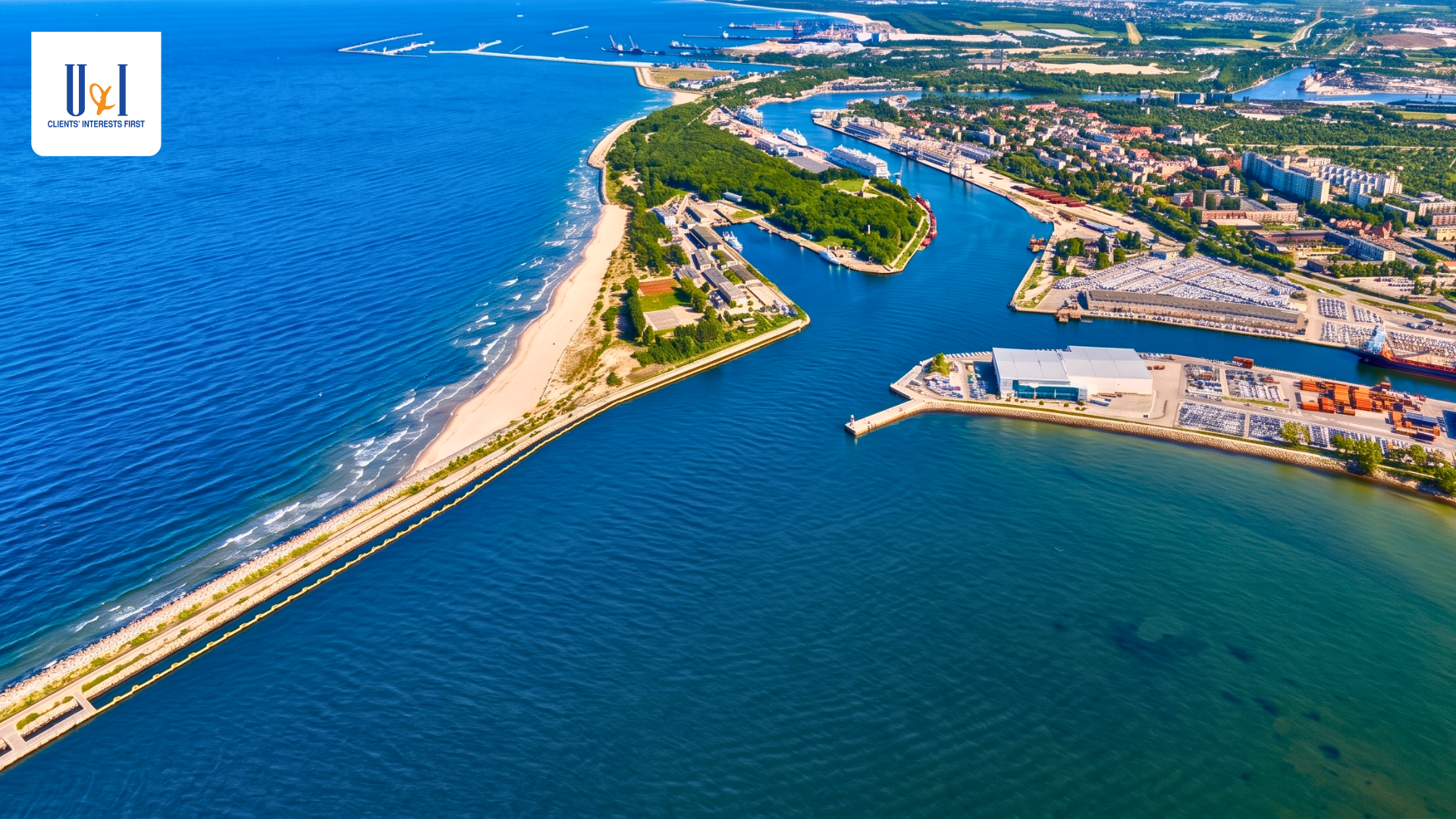
A direct sea route to Europe always comes with strict regulations on fixed cut-off times at the Cai Mep port, and available space on the vessel is always in a state of scarcity due to high market demand. Export businesses must prepare synchronized operating capabilities right at the upstream stage:
This is the moment when the coordinating capability of an integrated full-package logistics chain plays its true role.
The synchronized management approach of U&I Logistics is a practical solution that helps export businesses realize the opportunities from this new sea route. Shortening lead-time means that a business's products will reach the shelves in Warsaw or Prague earlier than competitors. By combining long-term freight contracts on the Baltic and Mediterranean routes, a standards-compliant warehouse system, a flexible fleet of tractor trucks, and modern customs procedures, the entire service chain operates seamlessly to ensure that business cargo is loaded onto the vessel on schedule.
In today's retail market environment, shortening lead-time means that a business's products will reach the shelves in Warsaw or Prague earlier than competitors. And at these distribution centers, those who reach the market first always hold a significant advantage in capturing market share.


30/06/2026
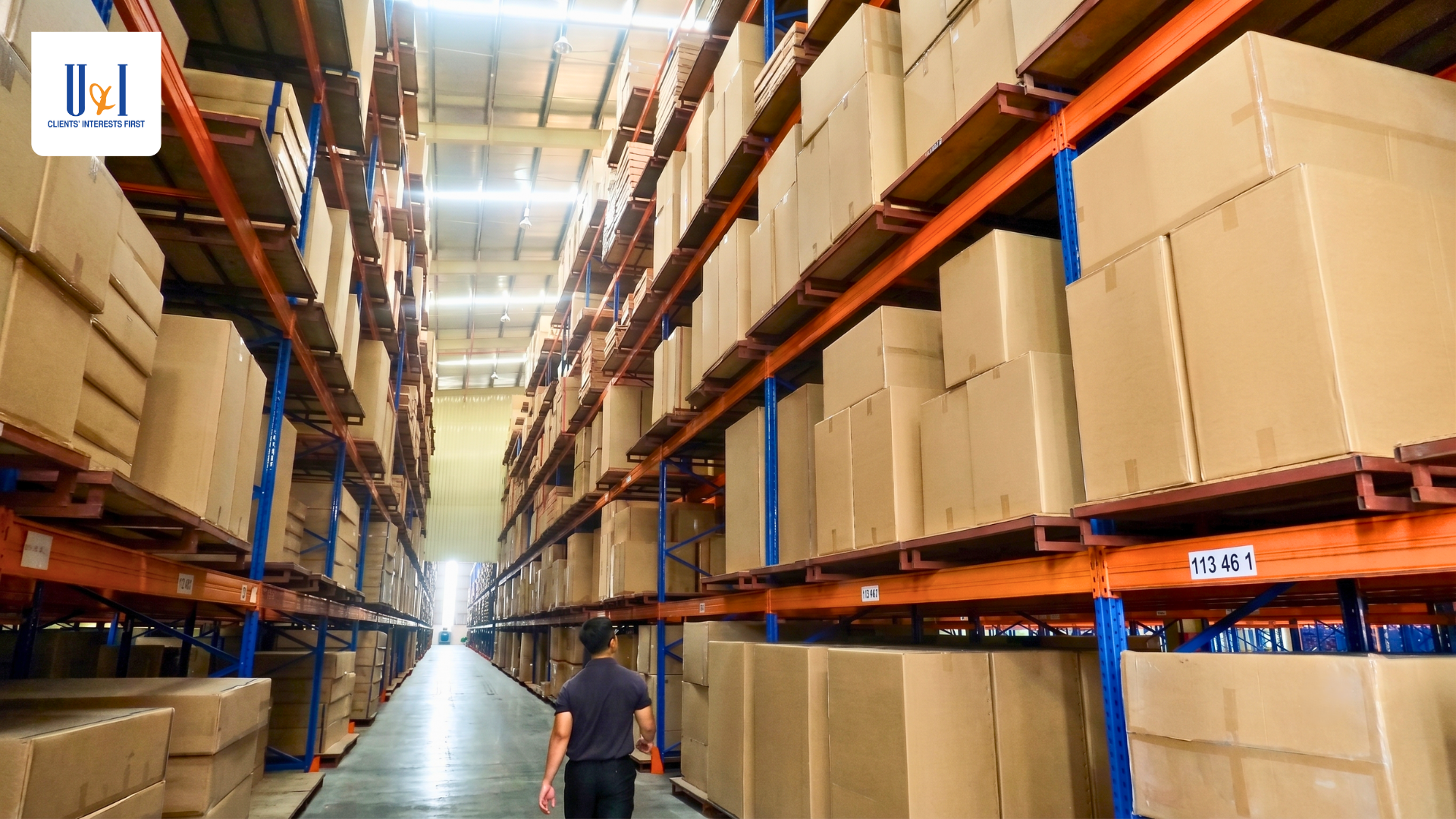
The wave of 100+ Taiwanese semiconductor businesses surveying Sonadezi Chau Duc in July 2026 sets a new requirement for Vietnamese warehouses: the C-TPAT and TAPA FSR certifications have become mandatory passports for accessing the highest-value segment of high-tech cargo.On July 7, 2026, more than 100 businesses in the semiconductor supply chain — the majority coming from Taiwan and serving as supply partners for major corporations such as NVIDIA, Tesla, and Starlink — conducted an investment survey at the Sonadezi Chau Duc Industrial Park. This is also where the Electronic Tripod factory has just injected USD 450 million to launch Phase 1 trial operations from mid-June 2026. In the same year, Intel raised its investment commitment in Vietnam from USD 1.5 billion to USD 4.1 billion, nearly tripling in scale. These developments have been continuously assessed as a golden opportunity for the domestic warehousing industry.
30/06/2026
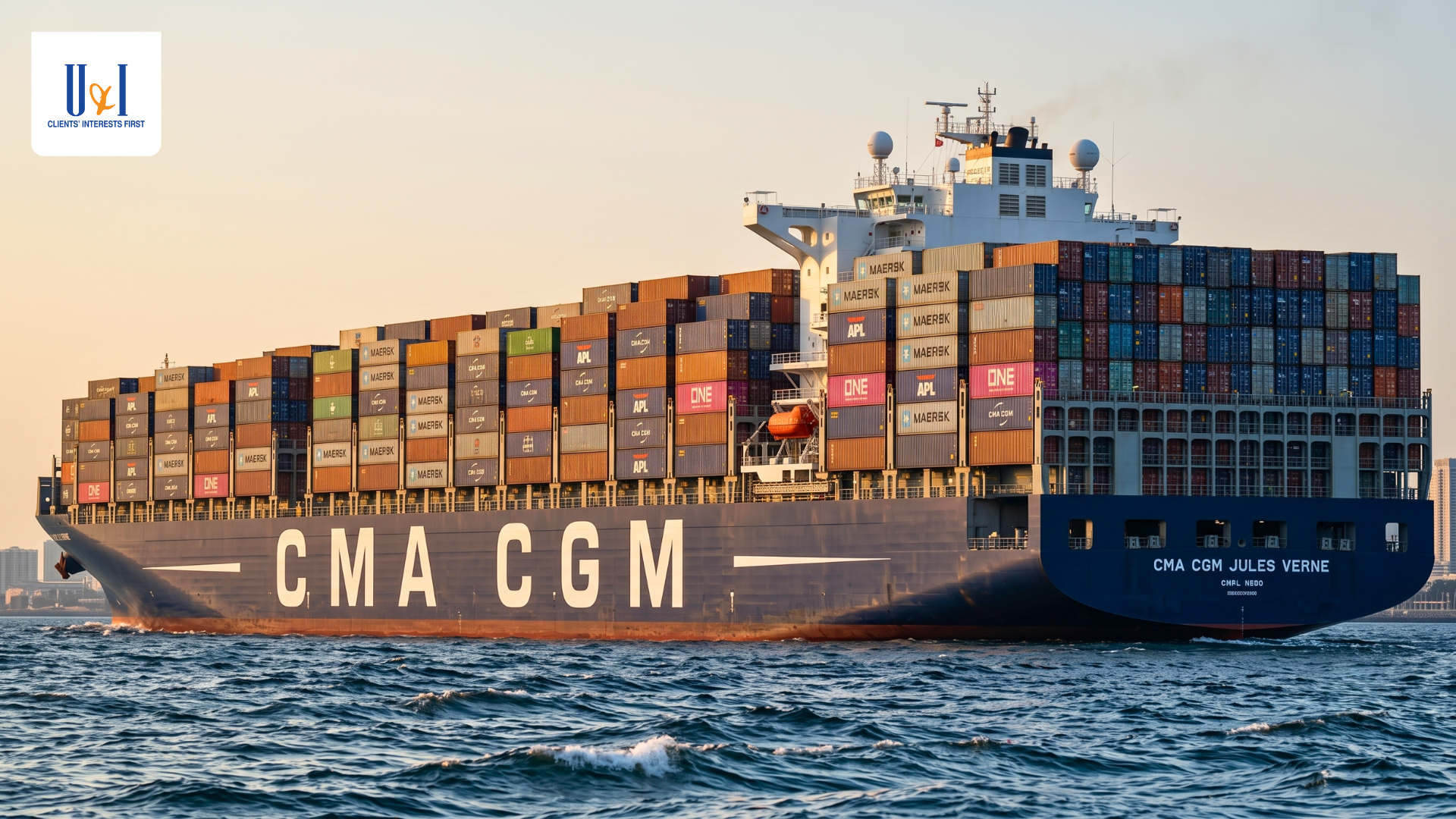
The CMA CGM acquisition of FedEx Supply Chain for USD 1.4 billion, covering 150 warehouses in North America, marks a wave of vertical integration M&A among major shipping lines, narrowing the negotiating space of shippers and highlighting the role of independent forwarders in protecting cash flow.

30/06/2026
Vietnam's agricultural, forestry, and fishery exports reached USD 35.88 billion in the first half of 2026, but reaching the USD 100 billion mark before 2030 requires growth exceeding 15% per year — forcing the industry to shift from the model of expanding output to integrated logistics management that preserves the value of agricultural products.


