

25/05/2026
Warnings from the International Energy Agency (IEA) that the oil market has fallen into a state of severe supply tightening are pushing energy security risks to alarming levels. According to the World Bank's Vietnam Economic Update Report of May 2026, for an economy as open as Vietnam, the current strategic petroleum reserves are only maintained at a level equivalent to about 25 days of self-sufficiency — significantly lower than the IEA's recommended threshold of 90 days — and this clearly constitutes an existential form of pressure.
Trade statistics from the first half of the year reveal a polarized reality: the FDI manufacturing sector continues to maintain stable growth momentum, while the domestic private enterprise group in traditional export industries such as textiles and garments, footwear, and wood products has recorded a turnover decline of up to 24.5%.
This divergence affirms a fundamental truth: the root of the crisis does not lie in the oil price chart, but in the asymmetry of resilience within the "Dual Economy."
A polarized picture
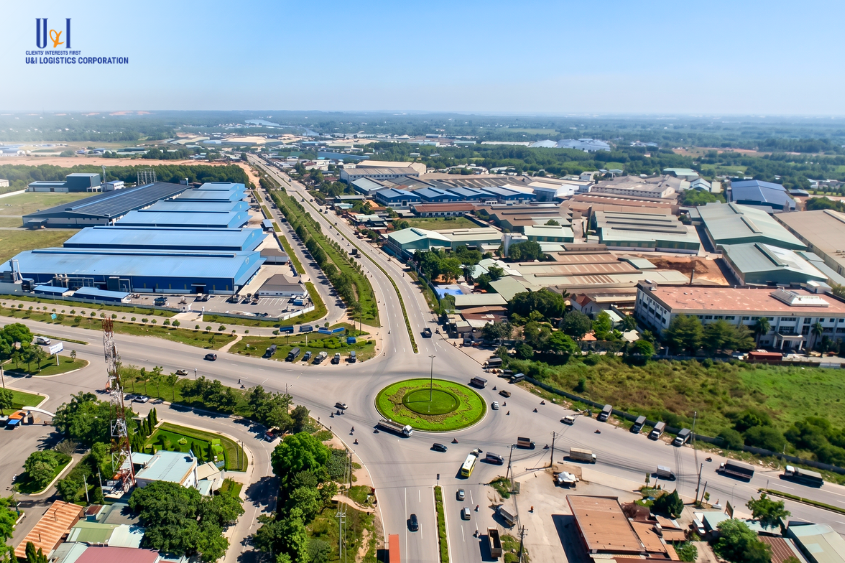
The Dual Economy is an economic model in which a country simultaneously contains two economic sectors with distinctly different levels of development. A common perspective among current analysts holds that the decline in the competitiveness of the domestic export bloc is a direct consequence of escalating logistics cost pressures driven by oil price fluctuations. Following this logic, the saving solution would be to redistribute risk through negotiating surcharges or passively waiting for the energy market to cool down.
The technical calculations seem to support this assumption: fuel costs currently account for 35% to 45% of the cost structure of road transport in Vietnam; therefore, a 15–20% increase in crude oil prices would immediately push domestic freight rates up by a corresponding 6–9%.
However, the chart of asymmetric growth between the two economic sectors in the face of the same macroeconomic shock has completely refuted this surface-level assumption. While the FDI electronics manufacturing complexes in Bac Ninh, Bac Giang, and Dong Nai continue to maintain their shipping pace in line with committed schedules, small and medium-sized textile and garment enterprises in the Mekong Delta region, footwear businesses in Binh Duong, and wood product makers in Binh Dinh have fallen into a state of supply chain disruption, pulling export turnover down by 24.5% year-on-year.
If the oil price variable were the core cause, the level of damage across industries should be purely proportional to the share of logistics costs in the cost of goods. In that case, the marginal gap could not reach nearly 25%. The energy crisis, therefore, is not the root cause. It plays the role of a catalyst, exposing the systemic vulnerability of a "dual economy" that had already existed beforehand.
FDI enterprises operate within a logistics ecosystem deeply and broadly integrated with the global supply chain. Meanwhile, FDI corporations possess systemic risk-hedging capabilities, stable coordination capabilities, and the bargaining position to share cost pressure directly with their suppliers. Logistics costs constitute only 1% to 3% of shipment value. Therefore, even significant fluctuations in energy prices create only negligible marginal swings in their financial structure.
In contrast, the majority of domestic private enterprises still operate in the downstream segment of the value chain — primarily Cut-Make-Trim (CMT) processing — and procure logistics services on a per-batch, per-trip basis. For bulky, low-value-added industries such as wood products, textiles and garments, or footwear, transport and distribution costs typically account for 10% to 15% of the cost of goods sold. When the transport market fluctuates, this group is entirely passive and unable to pass on costs to global buyers.
The fragmentation of the domestic logistics market — with most of the road transport share in the hands of small-scale carriers — results in an excessively high rate of empty return trips for transport vehicles.
Under stable macroeconomic conditions, this waste is absorbed by a temporarily acceptable profit margin or masked by the small scale of operations. However, when oil prices enter the "red zone," domestic carriers cannot cover the losses themselves and are forced to park their vehicles or raise prices to extreme levels, directly paralyzing the flow of raw materials to domestic factories.
Vietnam's "dual economy" is standing at a turning point. The energy crisis acts as a catalyst exposing the vulnerable structure of the domestic economic sector. If solutions focus only on short-term stabilization of fuel prices, we will have addressed only the tip of the problem. The core issue demands a longer-term strategy: upgrading the supply chain management capabilities of domestic enterprises, shifting from a model that competes on cheap labor and mass-market logistics to a model of deep integration, proactive risk management, and the building of buffer zones. Otherwise, the development gap between the two blocs in the economy will only continue to widen after each global shock.
Mounting Difficulties
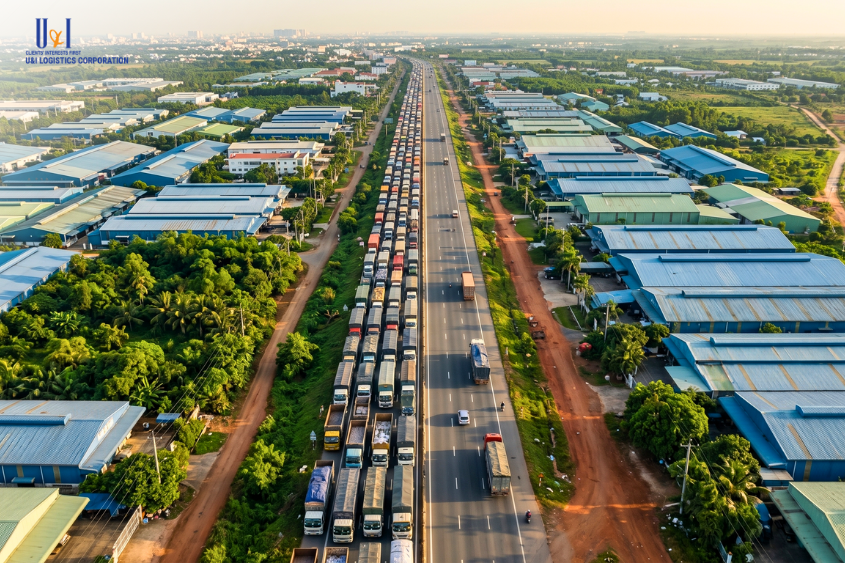
The reason the polarized picture of the "dual economy" has become sharper and more extreme during this period does not lie simply in the fuel price chart. The widespread disruption of domestic private enterprises is occurring due to the simultaneous resonance of three structural pressures: escalating energy costs; stringent trade defense measures from the US market (particularly anti-circumvention duty investigations and Section 301 reviews) that prolong the tax refund cycle; and finally, the strict compliance and traceability standards demanded by international buyers.
Each pressure on its own may fall within a business's absorption threshold; but when they strike simultaneously upon a fragmented operating structure, they trigger a reaction that completely shatters the business's self-balancing capability.
Faced with such a matrix of challenges, isolated cost-cutting solutions are no longer absolutely effective. The service solution architecture proposed by U&I Logistics for the export bloc must operate on a synchronized three-layer integrated model.
For road transport in Vietnam, the capability to optimize routes is a question of survival when energy prices remain elevated. The fragmented state of the domestic market pushes the empty return trip rate to an alarming 60% to 70%, in stark contrast to the 15–18% rate in developed markets.
By establishing strategic consolidation routes and applying algorithms, U&I's service model reduces logistics costs based on actual efficiency, rather than squeezing the profit margins of trucking operators.
The increased frequency of inspections by US trade and customs authorities and the application of trade defense measures under Section 301 demand the highest level of documentation evidence capability.
Errors in HS code classification or the lack of documentation proving that the raw material supply chain does not circumvent duties will increase the risk of shipments being held up, pushing the business's tax refund cash flow and working capital into a "suspended" state. The solution framework of an in-depth customs broker is to conduct preventive compliance audits ahead of legal risks, keeping the operational cash flow cycle steady.
This is the layer of solutions that carries strategic transformation, with the goal of pulling domestic enterprises out of manual operating methods to step into the management ecosystem of multinational corporations.
This requires adopting electronic documentation systems, traceability capability for each production batch, and service quality management through rigorous KPIs. Only when technological and procedural compatibility is achieved can domestic businesses break through the technical barriers to enter the "Approved Vendor" list of global value chains.
A Survival Decision
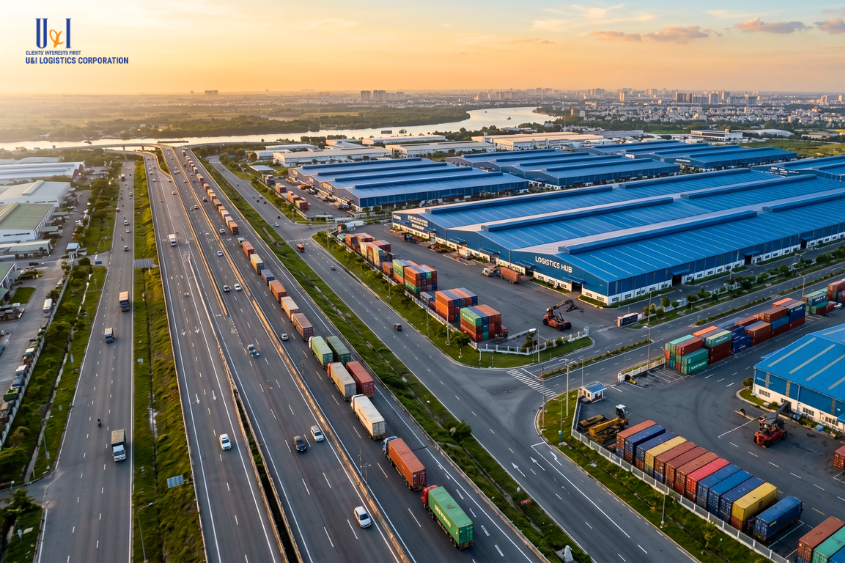
For export business executives, the effort to renegotiate a few percentage points off freight costs is merely a reactive, short-term response when the energy market begins to enter the "red zone.".
Proactively partnering with logistics partners that possess integration capabilities is not merely a defensive measure against the immediate cost shock, but a strategic passport for businesses to upgrade their own position, erase the disadvantageous boundary within the structure of the dual economy, and seize the initiative in the global supply chains of the future.
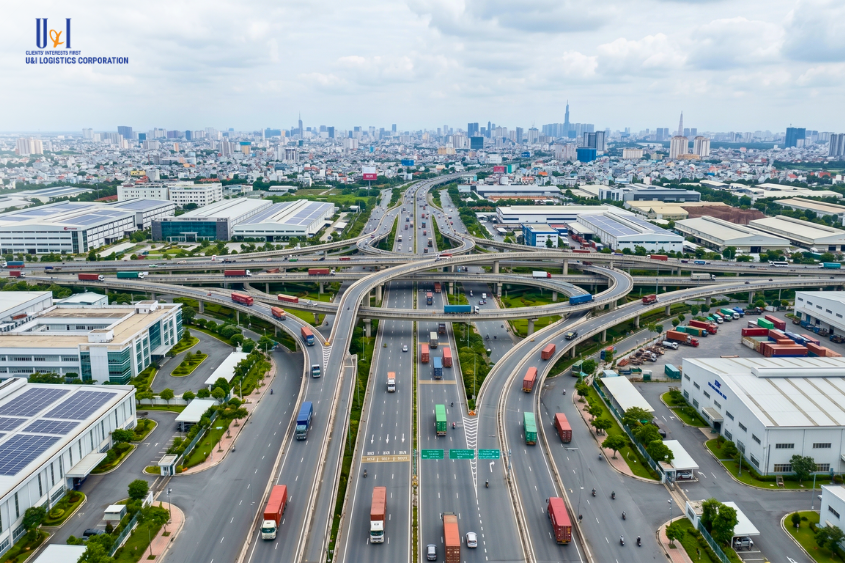
The decision made from this very moment will shape the answer to a business's capacity for survival in the new economic cycle.


25/05/2026
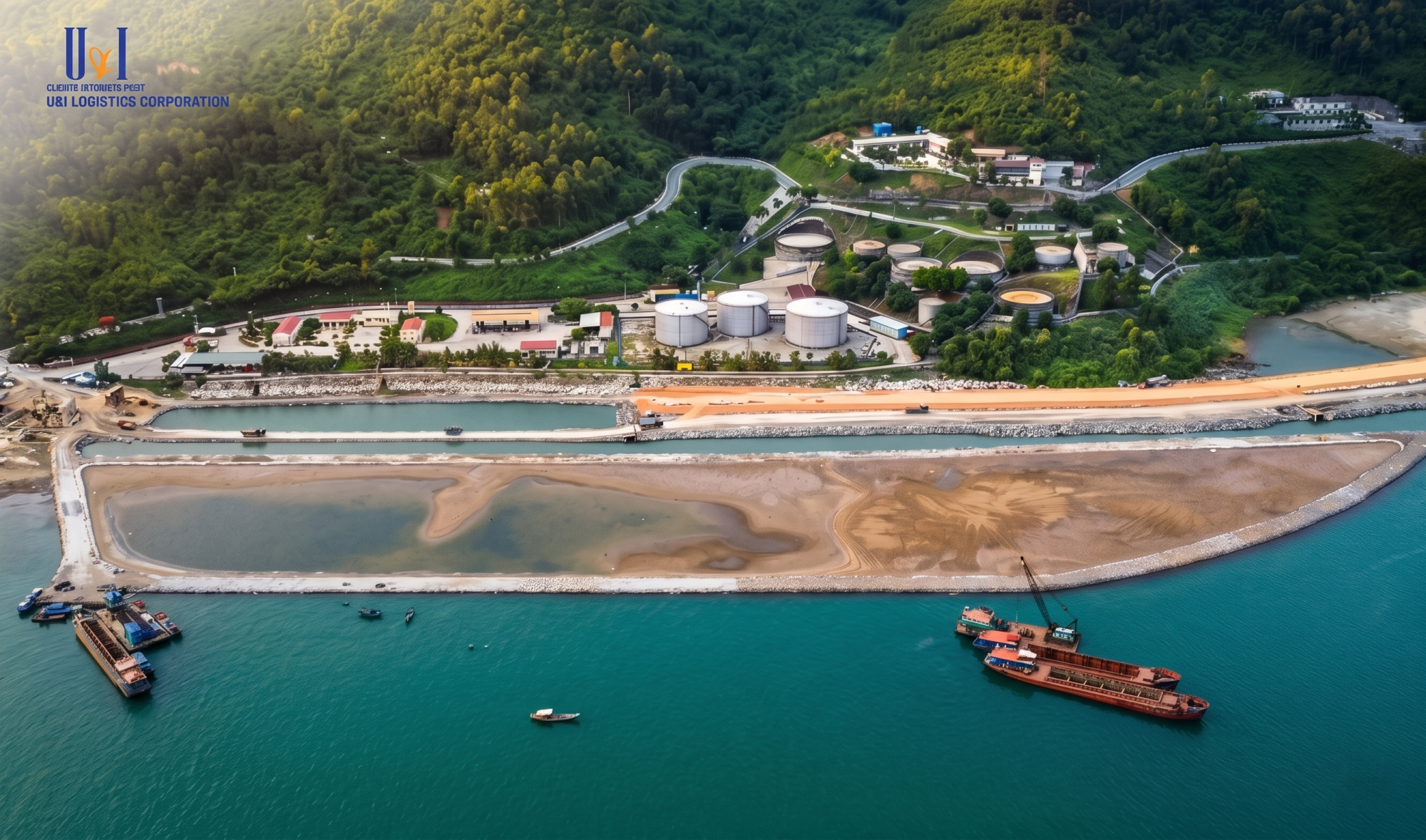
Lien Chieu Port, with its "three-legged stool" configuration — deep-water port, intermodal railway, and free trade zone — is an opportunity for Central Vietnam to reshape its role in the supply chain, but the outcome depends on building a logistics ecosystem
25/05/2026
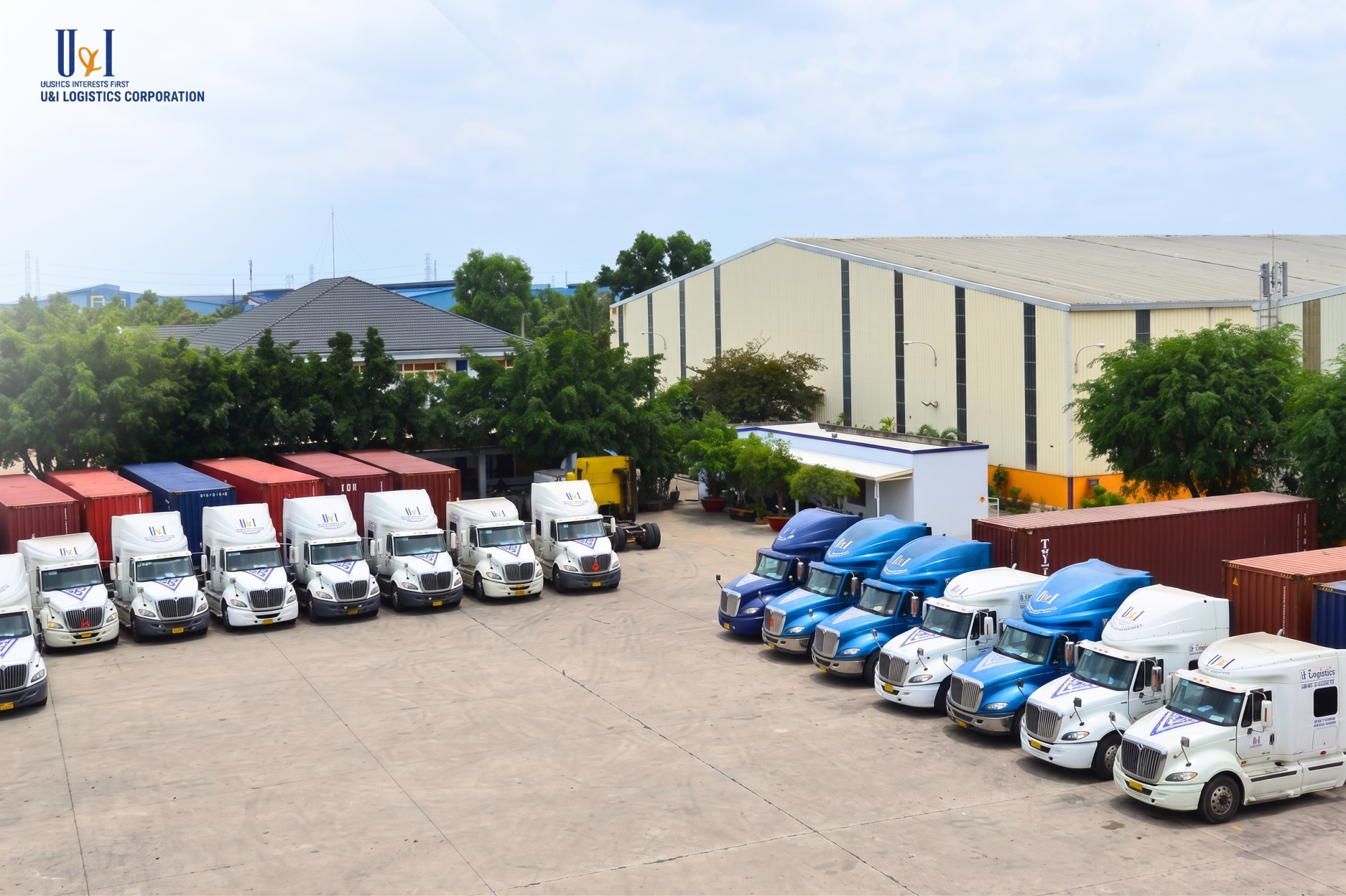
FDI enterprises are shifting their criteria for selecting partners
25/05/2026
Việc không hiểu được những rủi ro tiềm tàng của thị trường chính là rủi ro lớn nhất của một doanh nghiệp, đặc biệt là trong thời điểm có nhiều biến động toàn cầu như hiện nay. Dưới đây là 10 rủi ro hàng đầu mà các doanh nghiệp trong chuỗi cung ứng cần theo dõi và các giải pháp để ứng phó trong những tình huống này.


