

22/07/2026
The announcement by the shipping line CMA CGM of a USD 1.4 billion deal to acquire the FedEx Supply Chain division in the North American market marked a major structural shift in global logistics. Through this transaction, the French shipping line officially took control of nearly 150 warehouse systems, expanding CEVA's presence in North America to more than 240 locations, accompanied by a long-term maritime and air freight partnership agreement with FedEx.
From a business perspective, this is a move to expand commercial scale. However, for export businesses, this event sends a real warning signal: the shipper's bargaining position and the room for cost negotiation are being further narrowed.
The Fewer Choices, the Harder to Leave
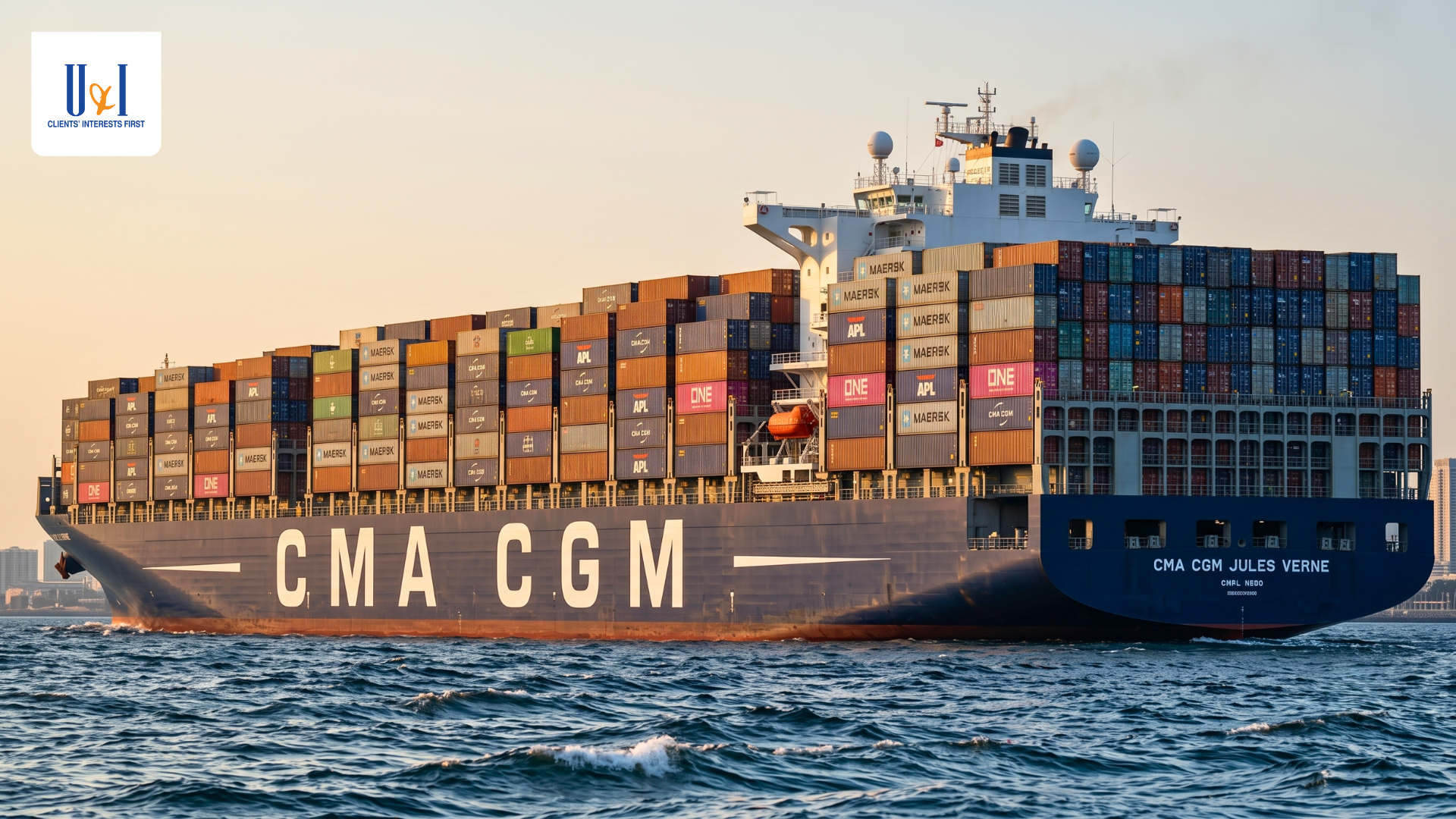
Maritime corporations are ballooning in scale. A common mindset held by shippers for a long time has been: when the transport market fluctuates, the safest solution is to travel alongside the shipping lines with the largest scale and the strongest financial resources. A company that already owns its fleet, a global agency network, warehouse systems, and a domestic trucking fleet will surely be able to secure slot allocations and smooth operations.
Yet the actual developments from CMA CGM's acquisition of FedEx Supply Chain have proven a different underlying reality: maritime corporations are ballooning in scale not to optimize costs for shippers, but rather to establish tighter control over the supply chain.
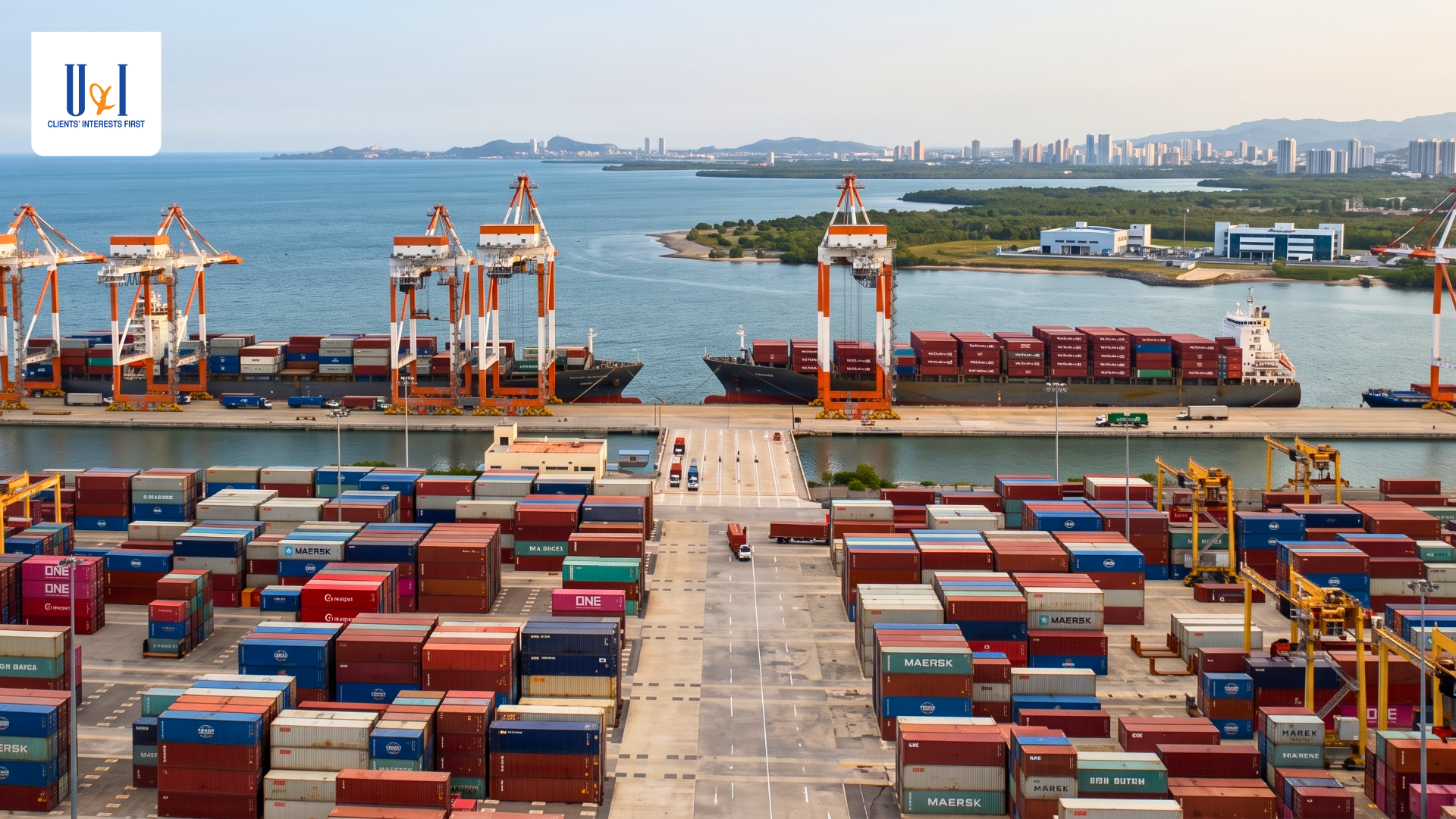
This is not an isolated phenomenon in the market:
When a shipping line simultaneously handles all stages from transport and warehouse management to customs clearance procedures, they are not upgrading their capabilities to make life easier for shippers in terms of cost. In essence, this closed-loop structure is built to raise the switching costs for businesses. The fewer independent logistics service providers there are in the market, the fewer fallback options export businesses have — and shippers' negotiating room may increasingly be squeezed.
Flexibility Is the Key
The international maritime shipping market has long taken the form of an oligopolistic structure, where the majority of capacity on trans-oceanic routes is concentrated in the hands of a few major shipping alliances.
Whenever the market experiences vessel space scarcity — arising from peak season pressure, Blank sailing campaigns, or macro geopolitical shocks — shipping lines will not apply an even space allocation mechanism. They will proactively prioritize the most profitable routes and the customer segments using end-to-end packaged services within their own ecosystem.
The trend of vertical integration through headline-grabbing M&A deals only aggravates this weak position of shippers. When a shipping line simultaneously owns the warehouse system, the tractor fleet, and contract logistics services, they tend to concentrate all available vessel space on serving partners who accept being bound end-to-end within their ecosystem.
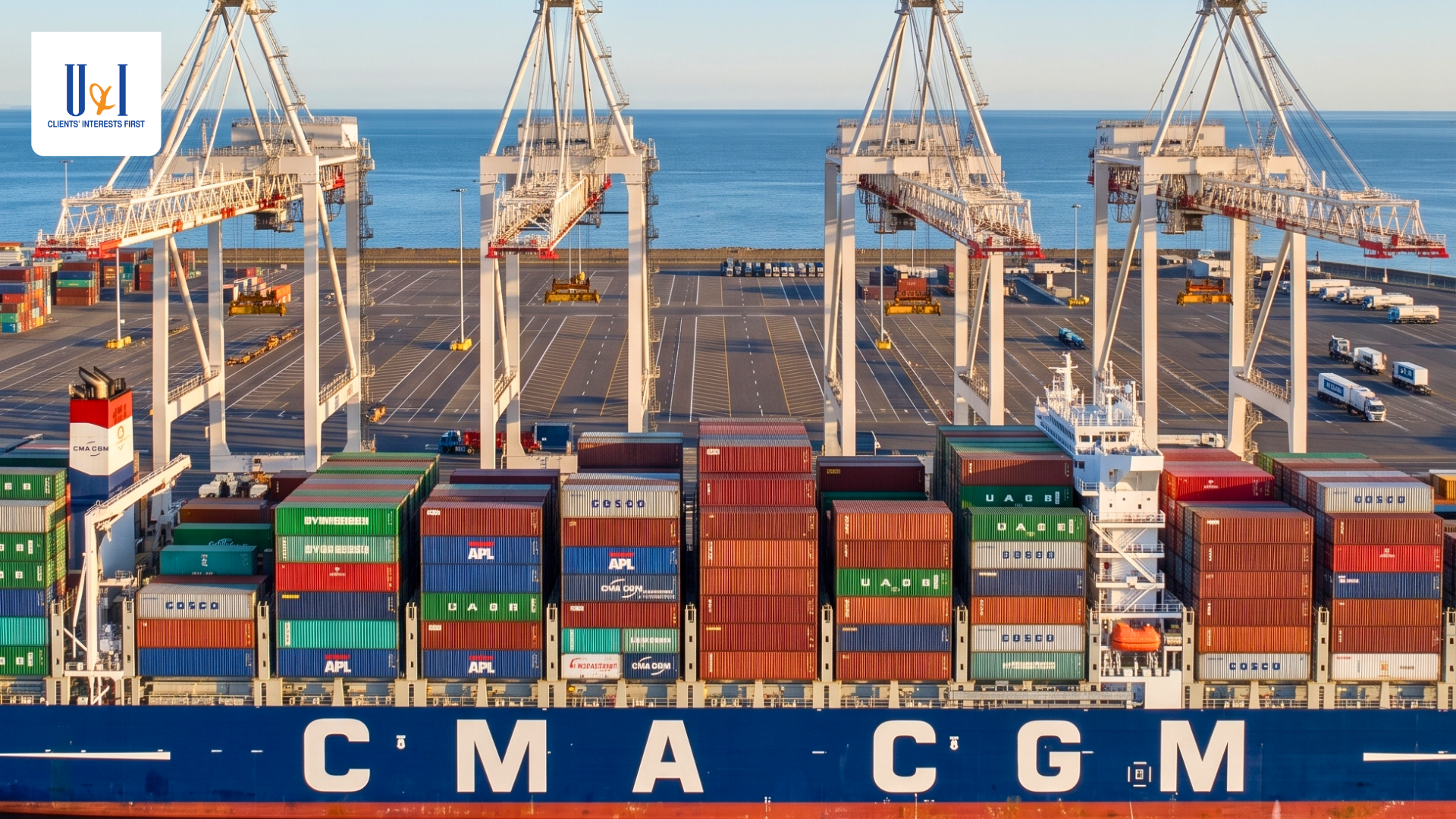
In that scenario, a mid-sized Vietnamese export business, shipping less-than-full-load volumes and only buying freight rates on general service vessels, will become the first target to have their slots cut when a vessel reaches maximum capacity.
Tying the fate of the supply chain to a single major shipping line implicitly strips away a business's autonomy the moment these mega-corporations begin to apply a customer-selection filter. Therefore, the tool for defending a business's cash flow and delivery schedule now lies in the number of options available at the negotiating table.
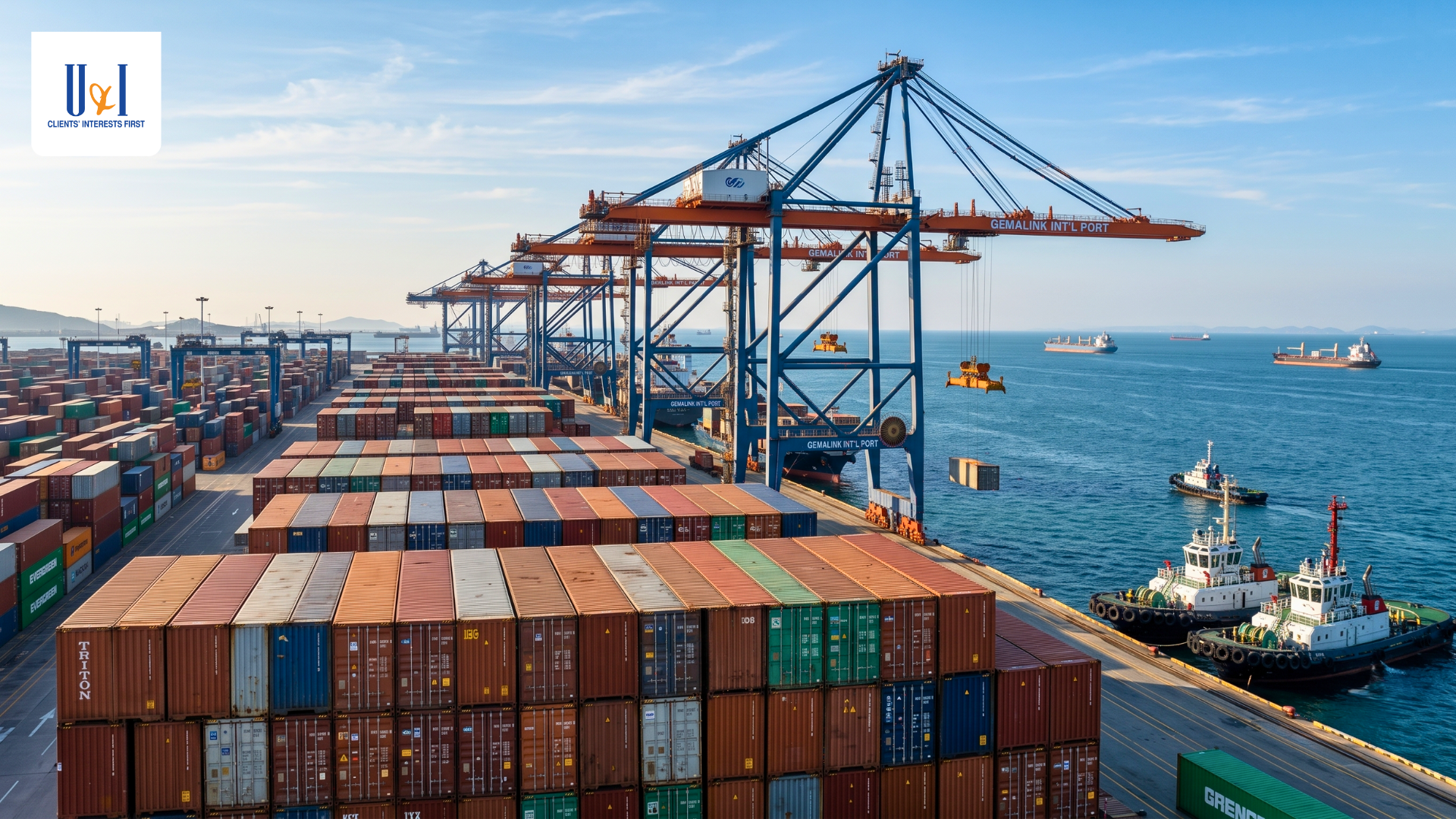
It is precisely in this context that the role of an independent forwarder with a flexible management model begins to demonstrate its core value. Because they are not bound by ownership ties or loyalty obligations to any single shipping line, these providers possess the ability to position themselves comprehensively across the market as a total logistics chessboard. If one shipping line announces it is fully booked, cargo flows will immediately be redirected to another alliance; if one sea route encounters a bottleneck, alternative routing options will be activated to preserve the schedule.
U&I Logistics' approach to diversifying supply sources is a real-world example of this thinking. As an independent forwarder, U&I Logistics can support businesses in preparing contingency options based on a partner network spanning multiple shipping alliances, swapping and rotating space flexibly to ensure continuity for a shipper's cargo flow while the global logistics market is gradually being consolidated by major players.
Who Truly Stands on the Business's Side?
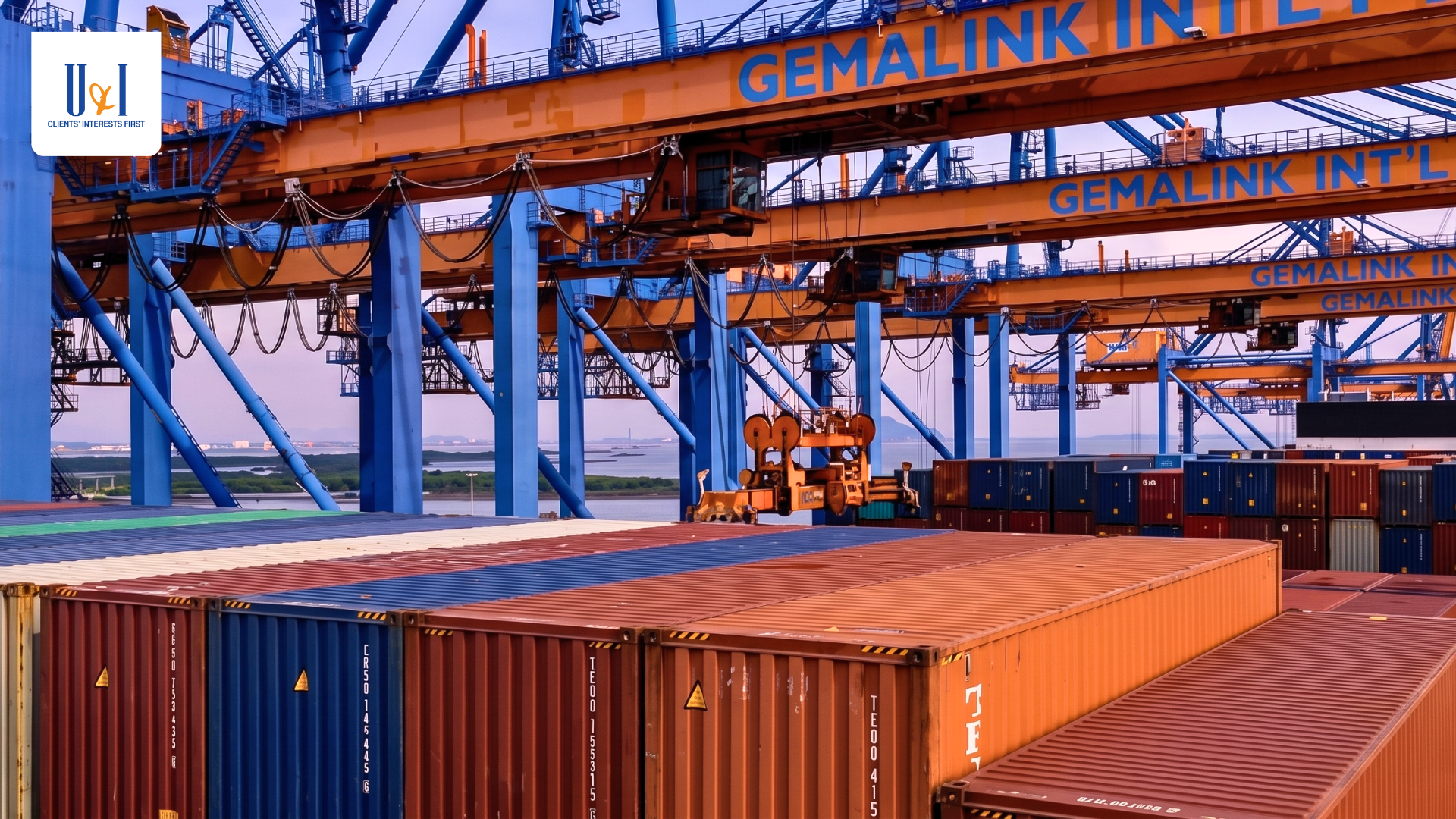
In the global foreign trade environment, a shipping line's size and financial resources are built to protect that shipping line's own profit margins. The wave of maritime shipping corporations continuously ballooning in scale and undertaking end-to-end supply chain acquisitions will continue to gather force in the coming period, because this model brings enormous profits for them and faces almost no significant legal barriers from anti-monopoly regulations.
Export businesses have no way to prevent or intervene in that macro shift. However, executives have every right to proactively choose their business's stance within the new structure — proactively setting up multiple contingency transport corridors for themselves.
When the entity responsible for transporting your cargo is also the one who owns the warehouse system, directly runs the domestic trucking fleet, and holds the ultimate authority over vessel space, who within this closed-loop operating chain will truly stand on the side of your business's profits?
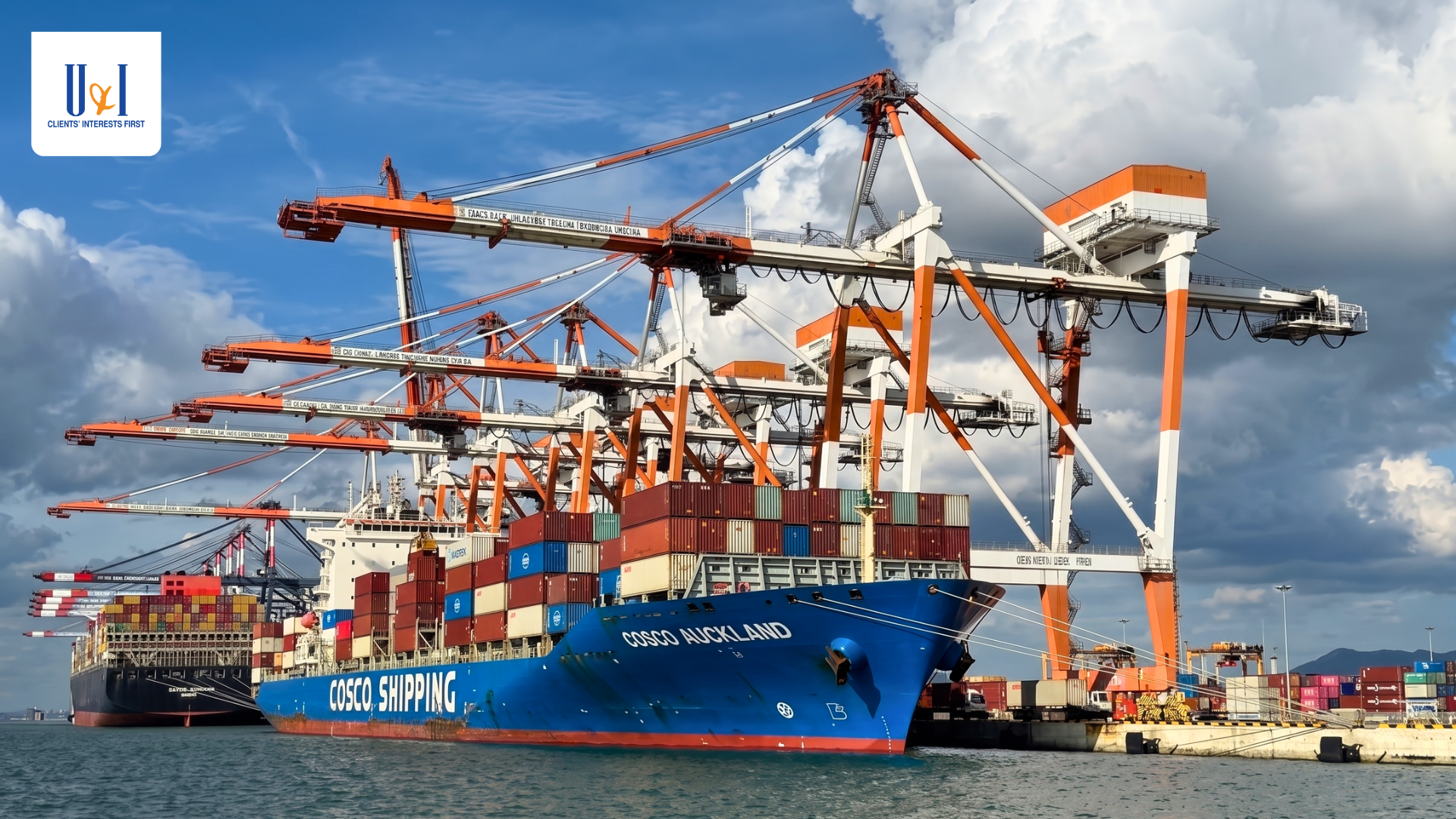
An independent forwarder such as U&I Logistics does not operate to fill capacity for any specific fleet; U&I operates to find the optimal solution for the business's cargo flow.
Rather than pushing businesses into a passive stance before unilateral surcharge decisions or the risk of roll-over during peak season, U&I Logistics' solution focuses on portfolio diversification, allocating slot space based on long-term contracts directly with multiple different shipping alliances, while synchronously controlling customs procedures and domestic warehousing.
When the links are established on an open and transparent management system, export businesses not only protect their working capital against cost fluctuations but also maintain the right to self-determination over their own supply chain. Entering the new trade cycle, the ability to defend oneself through independent flexibility is the factor determining the survival of business profit margins.



22/07/2026
Vietnam's agricultural, forestry, and fishery exports reached USD 35.88 billion in the first half of 2026, but reaching the USD 100 billion mark before 2030 requires growth exceeding 15% per year — forcing the industry to shift from the model of expanding output to integrated logistics management that preserves the value of agricultural products.
22/07/2026
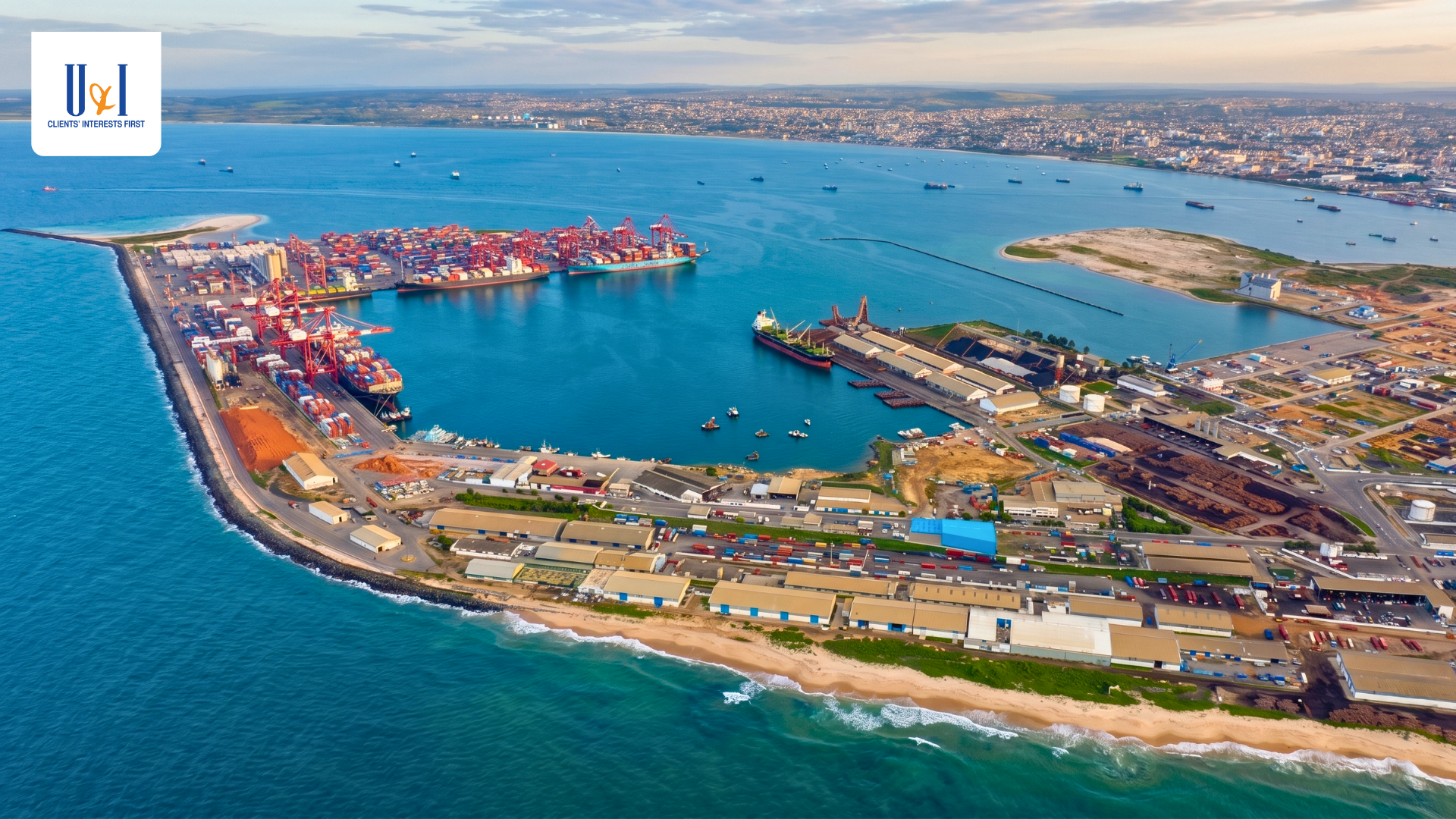
Diversifying to Africa and the Mediterranean to share risk is the right move, but the new PSS from CMA CGM shows that niche routes are precisely where shippers hold the weaker hand.
22/07/2026
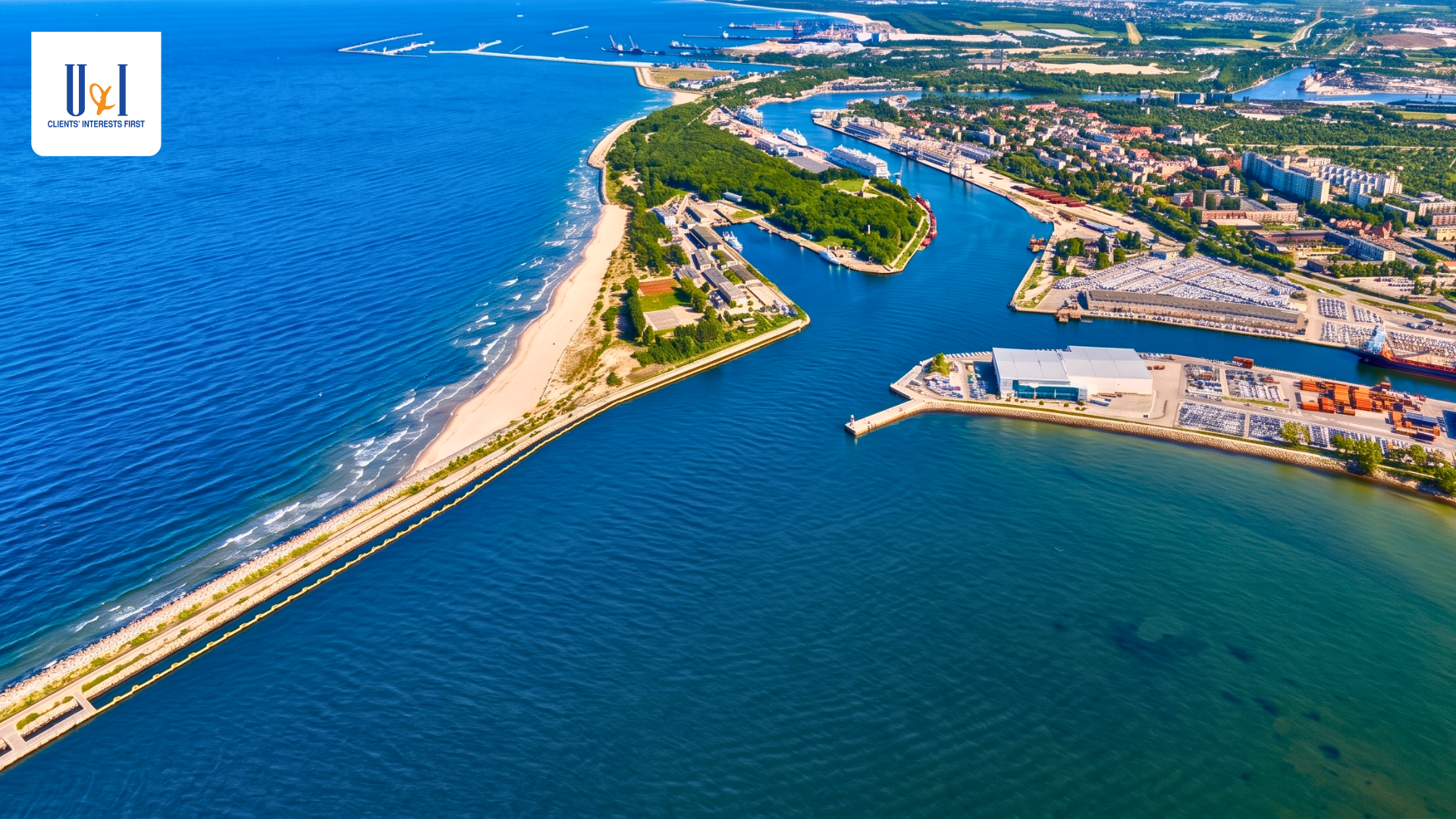
Ocean Alliance adds the Port of Gdańsk (Poland) to its AEU7 service with a direct Cai Mep – Gdańsk leg, opening a direct trade gateway for Vietnamese goods into the 100-million-person Central and Eastern European market, without routing through Rotterdam or Hamburg.


