

09/11/2026
On November 5, the Customs Department continued to send Official Letter 23913/CHQ-GSQL to the Chemical Agency (Ministry of Industry and Trade), requesting unified guidance on how to license the import of chemicals requiring special control from abroad into export processing enterprises, because localities are handling it each in their own way. This is not the first time: throughout 2026, the customs authority has repeatedly made such proposals. For a plastic, paint, or textile-dyeing factory importing chemicals as raw materials, the hidden message behind those official letters is very clear: what holds goods at the port is usually not the vessel, but a declaration line or a piece of documentation that isn’t quite right.

The raw materials of this industry group, ranging from industrial chemicals, plastic additives, paints, dyes to rubber chemicals, carry three layers of administrative procedures overlapping one another.
These three layers of procedures are inherently complex, but what has made customs procedure work in 2026 a major challenge is that the entire legal foundation has just undergone a major change in the legal framework. The 2025 Chemical Law together with the trio of Decrees 24, 25, and 26 of 2026 officially replaces Decree 113/2017/ND-CP, which had been in application for nearly a decade.
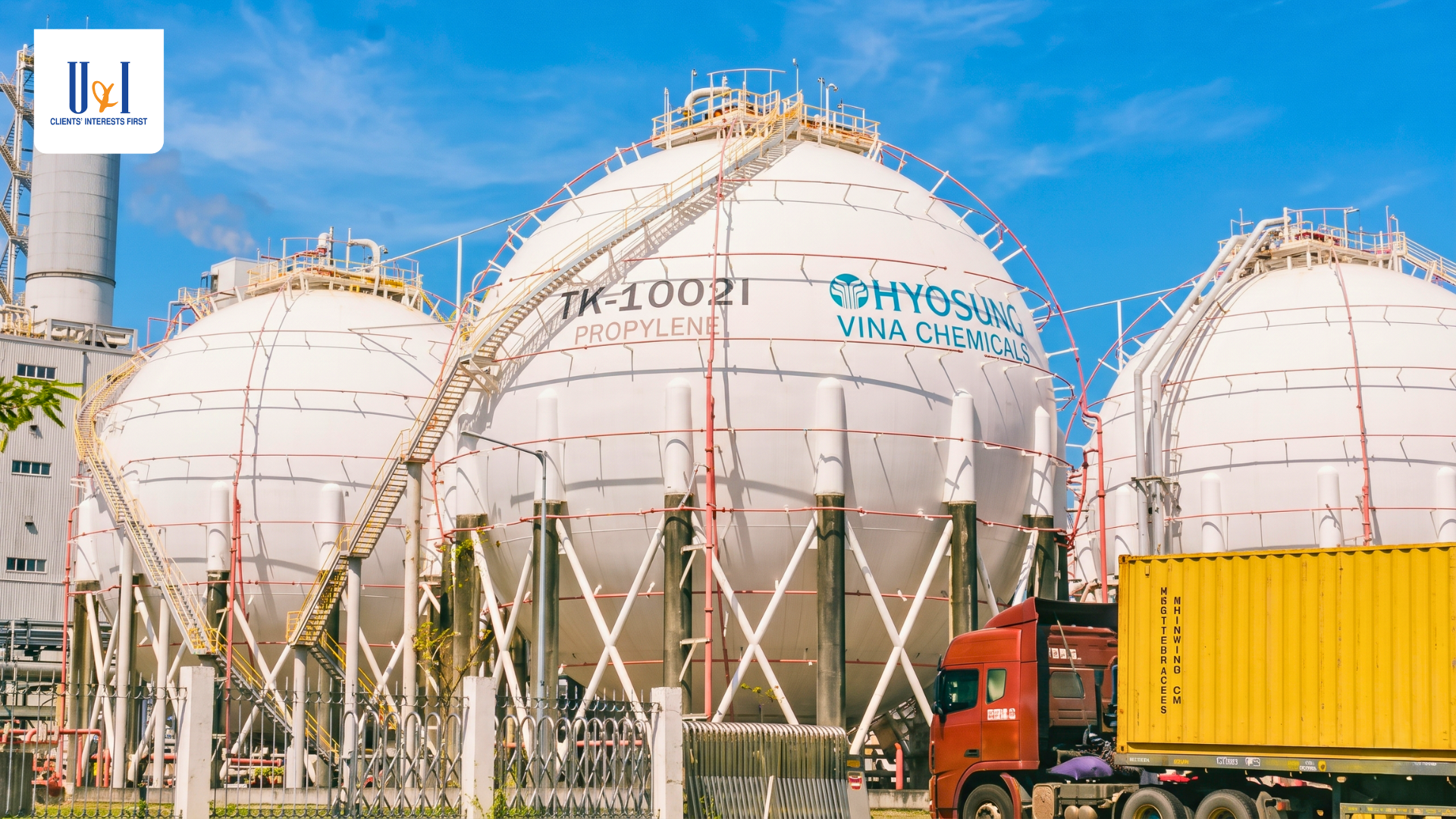
The new rules framework, when implemented on the ground, has not been understood uniformly across branches and localities, leading to the management authorities themselves repeatedly having to issue official letters requesting common guidance. For manufacturing plants, the direct consequence is that shipments can face prolonged clearance times simply because of confusion between chemical declaration and state quality inspection, an SDS missing a hazardous component entry, or concentration figures on documentation not matching the declared HS code.
Resolving Each Bottleneck
Since the biggest bottleneck in chemical logistics lies in the technical classification and specialized declaration stage, the solution needs to begin with the accuracy of documentation data. On a new legal foundation in a transitional phase, an effective operating framework needs to resolve three links decisively:

1. The first step is appraising the physicochemical properties of the shipment:
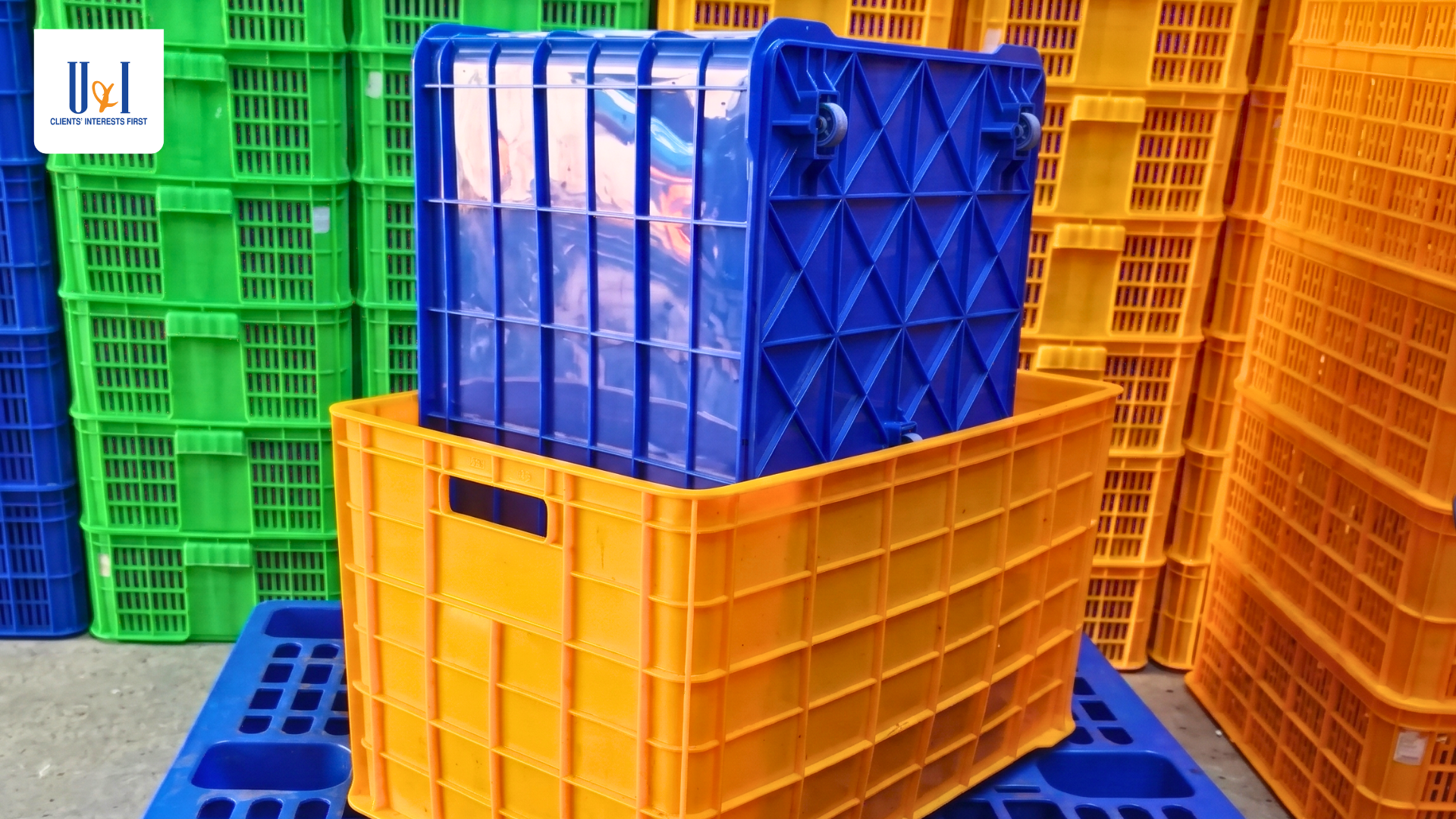
2. Businesses need to distinguish between two legal obligations:
3. Aligning documentation with actual application at each gate:

In the context of the 2025 Chemical Law and the trio of Decrees 24, 25, and 26/2026/ND-CP currently being guided uniformly by authorities, documentation preparation must:
Three Independent Tiers of Legal Obligations Must Be Distinguished
To transform the specialized compliance control process into a risk control mechanism for the production raw material flow, importing businesses must fully meet the principles of verifying the accuracy of technical data, clearly distinguishing specialized management obligations, and standardizing documentation before carrying out clearance procedures.
The Safety Data Sheet (SDS), quantitative composition analysis table (COA), concentration percentage ratio, CAS registry number, and UN hazard identification number are not merely internal technical documents of the manufacturer — they are the direct legal basis for classifying the HS code and determining the specialized management category.
In practice, an SDS missing composition information in Section 3, lacking the CAS numbers of main active ingredients, or failing to clearly state the UN number and packing group in Section 14, is the most common error causing National Single Window declaration documentation to be rejected for approval. Data in the SDS must be standardized to the full 16 sections according to the Globally Harmonized System (GHS) and synchronized with the actual goods in the container.
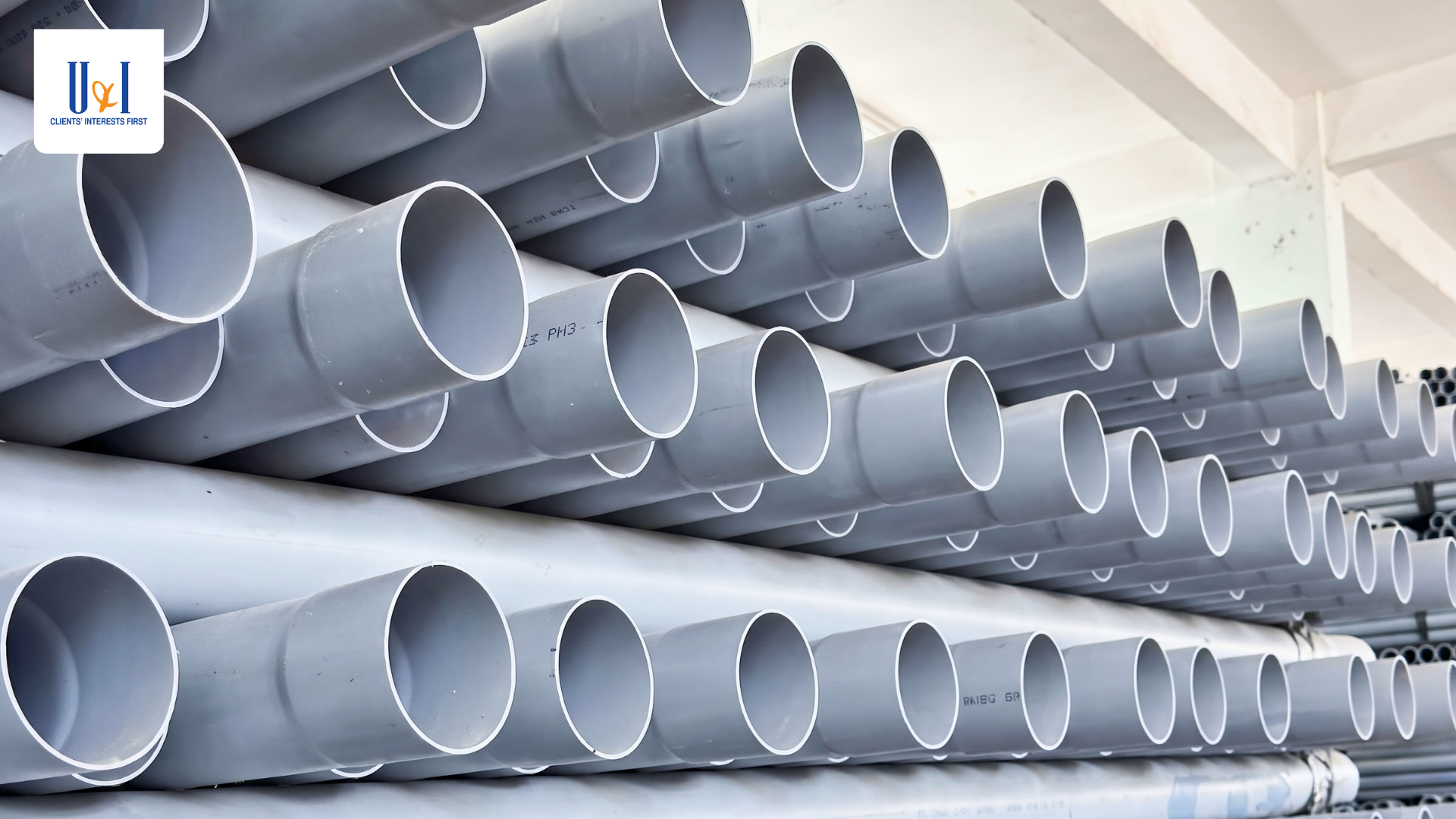
Many importing businesses fall into serious delays simply because of confusion among three processes:
For industrial chemical goods, every day a container sits awaiting verification at the port yard must bear hazardous goods storage fees, reefer power fees, and container storage fees that are many times higher than those for ordinary general cargo. Businesses should proactively cross-check HS codes, prepare Vietnamese translations of the SDS, and prepare end-use purpose commitment documents in advance.
For manufacturing businesses preparing to enter the peak season for importing raw and auxiliary materials, an in-depth working session with U&I Logistics’ team of Customs experts will help review the SDS catalog and identify early points of conflict and risks of cargo congestion at the border gate.



09/11/2026
On October 22, 2026, the Ministry of Industry and Trade issued Official Letter 8744/BCT-PVTM announcing 50 export commodities at risk of trade defense investigations, origin fraud, and illegal transshipment. Businesses need to standardize HS codes, build chain of custody, and review the risks of Tier-2 and Tier-3 suppliers before any investigation request arises

09/11/2026
An exported product cannot substitute for the quantitative proof requirement to receive a tax refund. Seafood and textile-garment enterprises need to standardize their consumption norms, declaration type codes, and Form 15 statements early.

09/11/2026
31 lines of dual-use goods across 4 groups (electrical, chemical, metals/alloys, UAV) require enterprises to classify simultaneously by HS code, description, and technical threshold — HS codes alone cannot determine whether goods fall under control.


