

11/09/2026
On September 5, 2026, Decree 292/2026/ND-CP officially took effect, replacing Decree 69/2018/ND-CP and reshaping the system of goods prohibited from export and import, as well as the mechanism for managing conditional trade under the Law on Foreign Trade Management. For units operating in the fields of used electronic equipment, scrap metals used as production raw materials, agricultural products under temporary import and re-export, or industrial chemicals, every descriptive line in the new catalog represents the legal boundary that determines whether a shipment clears customs smoothly or faces enforcement measures right at the border.
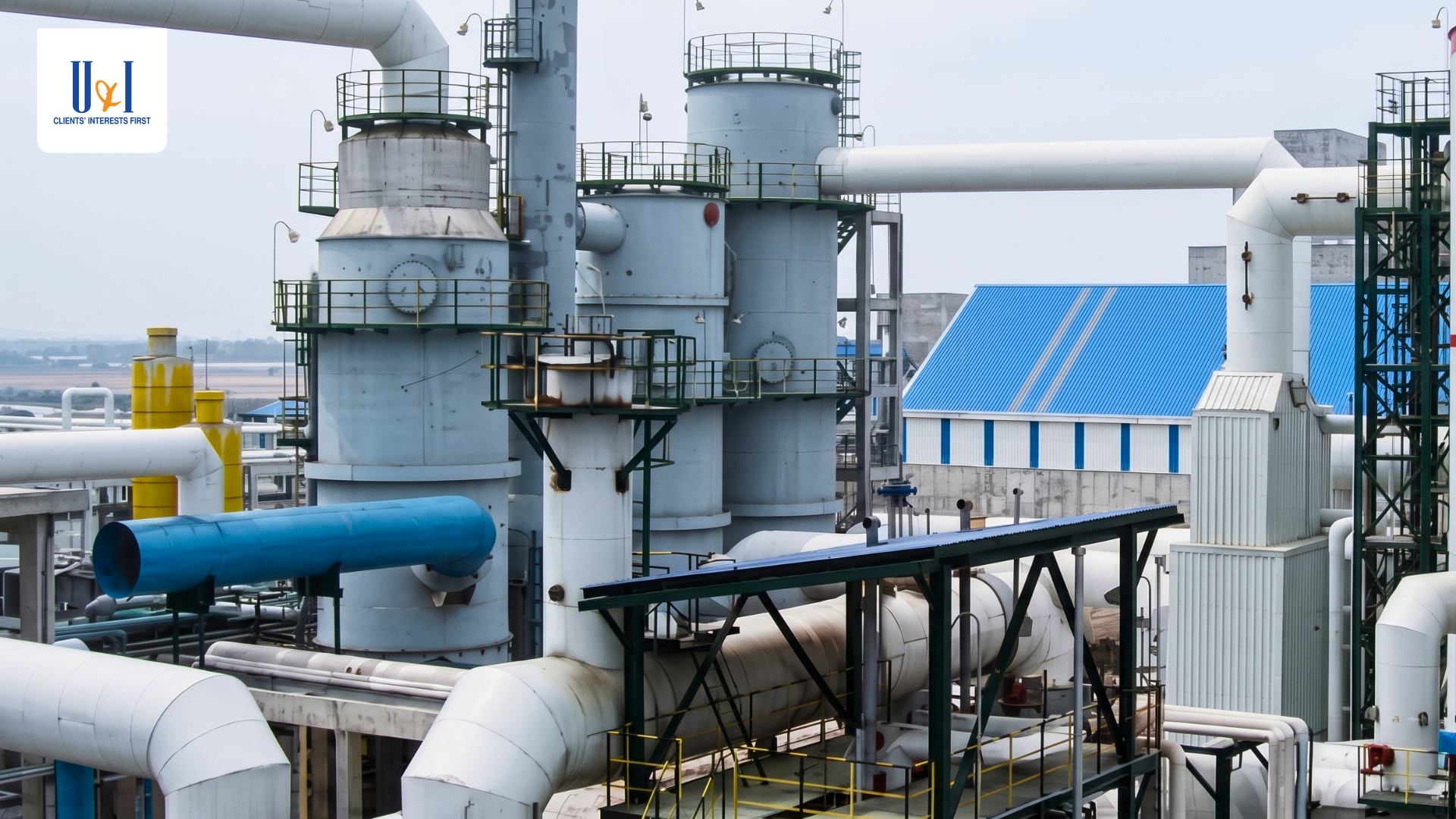
These four distinctive commodity groups share one operational attribute: the entire cargo flow always sits close to the boundary between the category of goods allowed for business, the category subject to conditional management, and the category prohibited outright.
Used electronic equipment sits adjacent to the scope of used information technology goods subject to import prohibition (provided in Appendix I of Decree 292/2026/ND-CP); the legal distance between "refurbished equipment meeting FTA commitment standards" and "prohibited electronic waste" depends entirely on the technical classification method and supporting documentation. Scrap metal is a category of imported goods that must have an Environmental Permit, fulfill deposit obligations, and meet the National Technical Regulations (QCVN), while components containing hazardous impurities are strictly prohibited. Temporarily imported and re-exported agricultural products operate on a cross-border transshipment model directly overseen by the market regulation decisions of the Ministry of Industry and Trade, with mechanisms for suspension or management adjustment that may be applied period by period on each specific commodity code. Industrial chemicals are subject to multi-tier control under the Law on Chemicals, ranging from the category requiring declaration on the National Single Window portal, to the category requiring a Restricted Business License, all the way to compounds prohibited from import under international conventions.
For all four sub-groups, the HS code is not simply a reference parameter for looking up the import-export tariff schedule to determine the tax amount payable, but plays the role of a "legal switch" that activates the conditions under which goods are allowed to circulate, must obtain a specialized permit, or are completely prohibited from import. Decree 292/2026/ND-CP has re-established and reclassified a series of management switches: the prohibited list has been comprehensively updated in Appendix I, in parallel with the mechanism delegating authority to specialized ministries to issue circulars publishing detailed HS code tables together with technical regulations. A mass-market logistics service model — which only approaches the HS code from the angle of declaration for tax calculation — will overlook this critical risk. For goods falling within the legal "gray zone," misclassifying the HS code does not result in an ordinary tax adjustment record but directly leads to administrative penalties, confiscation of exhibits, or forced re-export of the entire shipment out of Vietnamese territory.
Trade Boundaries Are No Longer Determined by Judgment

Decree 292/2026/ND-CP details implementation measures for the Law on Foreign Trade Management across all methods of international transactions: exports, imports, temporary import for re-export, temporary export for re-import, border-gate transfer, and transit. The decree reshapes the technical barrier by adding many groups of goods to the prohibited list — particularly the provision prohibiting the import of goods produced through forced labor in order to implement new-generation FTA commitments. For exceptional cases where import-export of prohibited goods is permitted (serving scientific research, medical purposes, or humanitarian aid), the licensing process has been digitized through the Public Service Portal with a maximum appraisal period of 5 working days, accompanied by the condition that the goods remain in Vietnam for no more than 2 years and are subject to customs supervision. Trade boundaries are no longer determined by judgment, but are precisely quantified at the level of the 8-digit HS code and the specialized permit system.
The optimal solution for businesses therefore does not lie in customs clearance services alone, but requires a Professional Customs Brokerage model integrated with foreign trade legal advisory capability, established on three pillars:

First, pre-inspection of HS codes: Conducting the review and cross-checking of the technical substance of goods against the Prohibited Goods List (Appendix I) and the List of Goods Subject to Conditional Management under Decree 292/2026/ND-CP right from the procurement planning stage, before the international commercial contract is signed or the transport booking is placed.
Second, review of the specialized permit system: Precisely determining the management authority of each ministry to complete the full legal documentation before the goods arrive at the port — from the Environmental Permit and QCVN inspection certificate for scrap materials, chemical declaration on the National Single Window, to Health Authority permits for specialized equipment.
Third, verification of transaction model feasibility: Appraising documentation to confirm that the operating method — such as temporary import for re-export, subcontract processing transfer, or border-gate transfer by FDI enterprises — remains consistent with the commodity catalog applicable at the time the declaration is opened (particularly the regulation limiting temporary import shipments to no more than 2 extensions).
The Pre-Inspection Risk Management Model
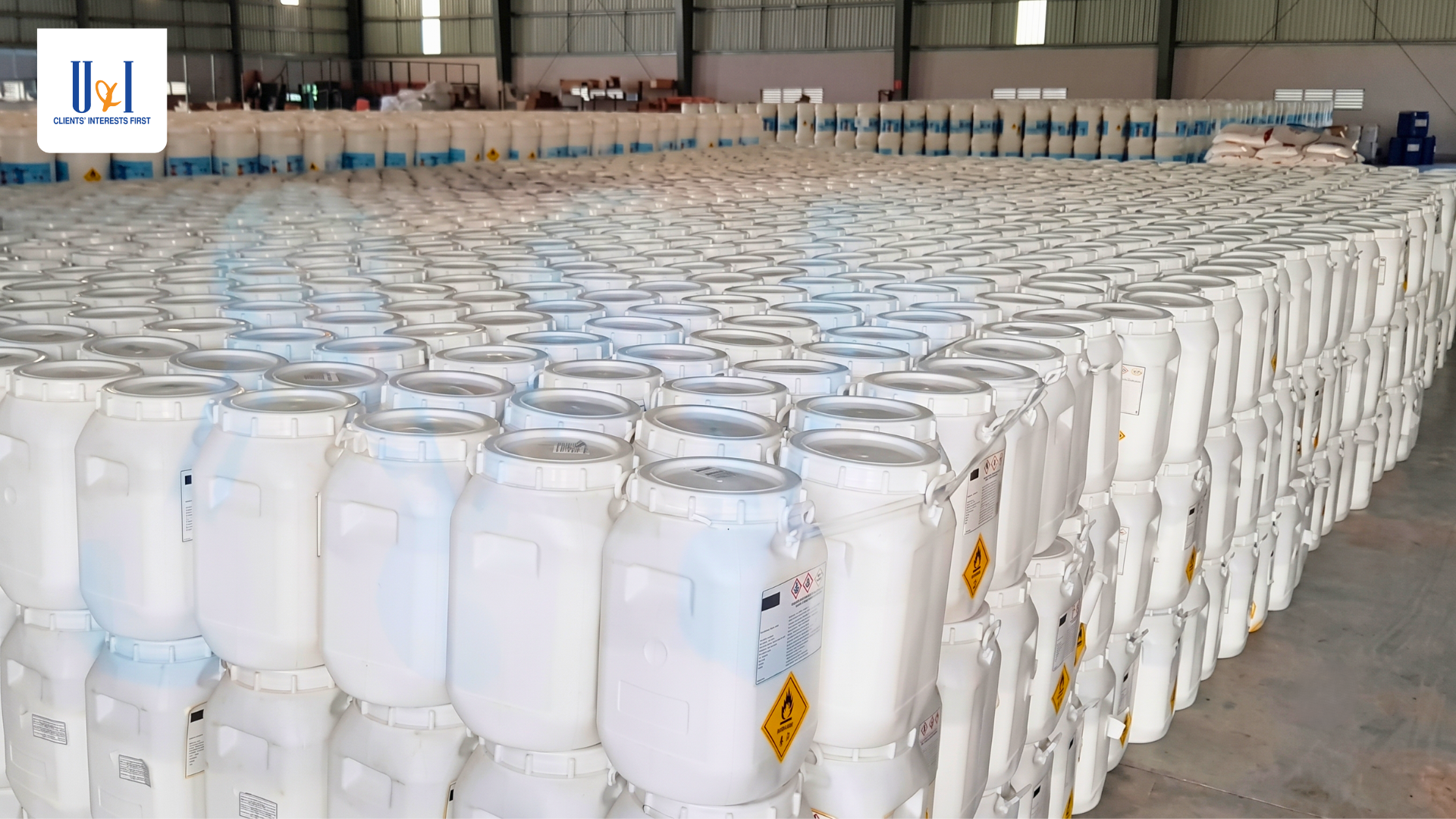
The pre-inspection risk management model only takes effect when businesses meet three prerequisite conditions:
The first condition is a transformation in management thinking: accepting the inspection of the legitimacy of the cargo flow before establishing commercial commitments. For goods falling into the prohibited or conditional category, the motto "just ship first, resolve any issues later" will face the risk of goods being held at the port with mounting storage costs, being subject to forced re-export measures, or being confiscated and destroyed under customs administrative penalty regulations.
The second condition is establishing a mechanism to monitor changes in the catalog: Decree 292/2026/ND-CP delegates authority to specialized ministries to periodically publish and update the detailed 8-digit HS code list; therefore, a commodity code accepted for clearance at the present time can entirely fall into the category of special control or business suspension in the following quarter.
The third condition is a correct awareness of HS code classification work: recognizing that classifying a commodity code is a decision carrying legal value. The team responsible for customs declaration must simultaneously understand the technical substance of the goods and the corresponding foreign trade legal provisions, rather than merely being proficient in the operational skills of declaration software.


11/09/2026
Electronics export processing enterprises can clear 100% of their declarations yet still face the risk of tax reassessment and post-clearance penalties. Circular 121/2025/TT-BTC, effective from February 1, 2026, increases these requirements.

11/09/2026
The 2026–2030 period is a pivotal time for Vietnam to transition from processing to a complete semiconductor ecosystem, but logistics costs of 16.8–17% of GDP and an LPI ranking of 43/139 are the barriers forcing logistics enterprises to shift their role from standalone logistics to comprehensive integration.

11/09/2026
Origin management has shifted from a declaration mechanism to a proof mechanism


